Stop Being the ‘Good Kid’: How People-Pleasing Hurts You
Learn how the 'good kid' syndrome, or fawning, can negatively impact your adult life. Discover why people-pleasing develops and how to break free for healthier relationships and well-being.

The Hidden Toll of Being the ‘Easy, Good Kid’
Many people grow up trying to be the ‘easy, good kid.’ This often means avoiding conflict, always agreeing, and making sure everyone else is happy. While this behavior can be praised when you’re young, it can lead to significant problems later in life. Understanding the roots of this ‘people-pleasing’ behavior is key to healing and building healthier relationships.
What is ‘Fawning’?
The term ‘fawning’ describes a survival response where individuals try to appease others to avoid conflict or rejection. It’s like a fawn, a young deer, freezing when it senses danger. People who fawn often try to be agreeable, helpful, and non-confrontational. They might constantly seek approval and worry about what others think of them. This behavior isn’t a choice; it develops as a way to cope with difficult environments.
The Internal World of a People-Pleaser
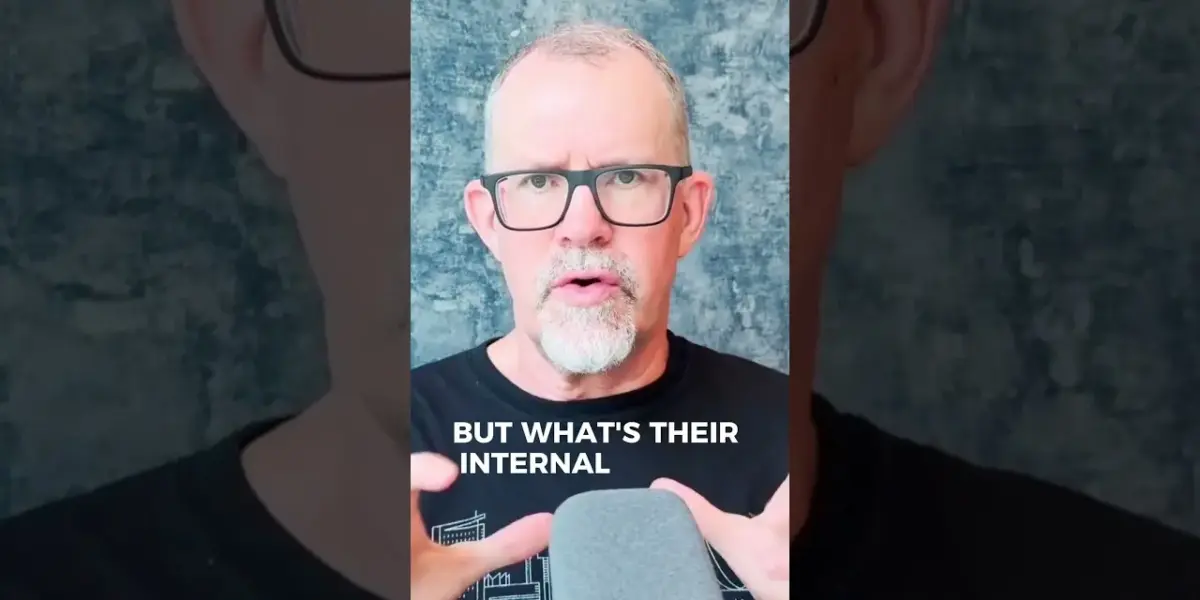
On the outside, someone who fawns might seem like a wonderful, easy-going person. They get along with everyone and are always willing to lend a hand. People often see them as a ‘hero child’ or a ‘great person.’ However, their internal world can be very different. They might experience constant anxiety, a fear of disappointing others, and a feeling of not being truly seen or understood.
Why People-Pleasing Develops
This survival strategy often develops in childhood. When children feel unsafe or that their needs won’t be met if they express their true feelings or desires, they learn to adapt. They may have grown up in homes with high conflict, unpredictable parents, or situations where their needs were ignored. Fawning becomes a way to maintain safety and get some basic needs met, like attention or approval. It’s a learned behavior that helps them navigate a challenging world.
The Consequences in Adulthood
While fawning can be effective for survival in childhood, it often causes problems in adulthood. These issues can show up in various aspects of life, especially in personal relationships. People who consistently people-please may struggle with:
- Setting boundaries: They find it hard to say ‘no’ or express their own needs.
- Resentment: Over time, they may feel resentful because their own needs are not being met.
- Burnout: Constantly trying to please others is exhausting and can lead to emotional and physical exhaustion.
- Difficulty with intimacy: True closeness requires vulnerability, which can be difficult when you’re always trying to be what others want.
- Low self-esteem: Relying on external validation can erode a person’s sense of self-worth.
Breaking Free from People-Pleasing
Recognizing these patterns is the first step toward change. It’s important to remember that these behaviors developed as a way to cope, not out of a desire to be difficult. The goal is not to stop being helpful or kind, but to find a balance. This involves learning to value your own needs and feelings alongside those of others. Building self-awareness and practicing assertive communication are crucial.
Seeking Support
For many, understanding and changing these deeply ingrained patterns can be challenging. Working with a therapist or counselor can provide valuable tools and support. A professional can help you explore the origins of your people-pleasing tendencies and develop healthier coping mechanisms. They can guide you in setting boundaries, improving self-esteem, and fostering more authentic relationships. This journey is about self-discovery and building a life where your needs matter too.
Key Health Takeaways
- ‘Fawning’ is a survival response where individuals try to appease others to avoid conflict.
- This behavior often starts in childhood as a way to cope with unsafe or unmet needs.
- While helpful for survival, people-pleasing can lead to anxiety, resentment, and relationship issues in adulthood.
- Learning to set boundaries and value your own needs is crucial for overcoming this pattern.
- Consider seeking professional help from a therapist to explore these patterns and build healthier habits.
This article is for informational purposes only and does not constitute medical advice. Always consult with a qualified healthcare provider for any health concerns or before making any decisions related to your health or treatment.
Source: The hidden cost of being “the easy, good kid” (YouTube)

Related Articles

Social Media Giants Face Lawsuits Over Addictive Designs
Tech giants Meta and Google are facing significant legal challenges as juries find them liable for the addictive design of their platforms and the harm caused to young users. Recent verdicts in California and New Mexico have ordered the companies to pay millions in damages, highlighting concerns over mental health impacts and child exploitation.

Immigration Debate Ignites Over Campus Killing
The detention hearing for Jose Medina, accused of murdering Loyola student Sheridan Gorman, has ignited a debate over immigration and mental capacity. Medina, an undocumented immigrant, will remain in custody. His defense cited head trauma and developmental delays, requesting jail time to prevent deportation and ensure due process.


Indonesia Mental Health Centers Accused of Abuse, Survivors Speak Out
Survivors of Indonesian mental health facilities are speaking out about horrific abuse, including torture, sexual assault, and neglect. Organizations investigating the claims have documented over 200 cases, highlighting a widespread problem in institutions meant for care. The accounts reveal a critical failure to protect the rights and dignity of vulnerable patients.