LaGuardia Crash Spurs Funding Plea for Air Traffic Control
A fatal crash at LaGuardia Airport involving an Air Canada jet and a fire truck has prompted urgent calls for more funding to upgrade air traffic control systems. Investigators are examining the complex events leading up to the collision, focusing on the control tower's actions amidst multiple emergencies.

Deadly LaGuardia Crash Ignites Call for Air Traffic Control Funding
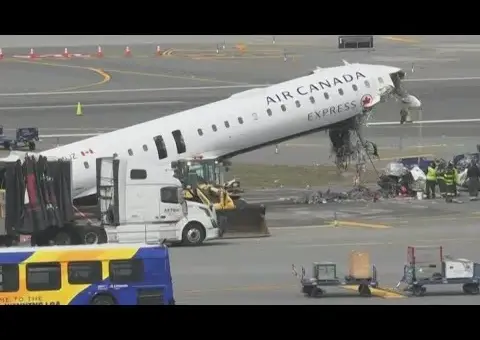
A devastating crash at New York’s LaGuardia Airport, which claimed the lives of two pilots, has triggered urgent calls for increased funding to modernize the nation’s air traffic control system. The accident, involving an Air Canada jet and a fire truck on the tarmac, has investigators working to piece together a complex sequence of events that unfolded amidst a busy airport environment.
Investigation Focuses on Controller, Runway Confusion
The National Transportation Safety Board (NTSB) is leading a thorough investigation into the crash. Early findings suggest a chaotic scene in the control tower preceded the collision. The controller was simultaneously managing an emergency situation with a United Airlines flight, which had aborted takeoff due to fumes, and communicating with the Air Canada aircraft that later crashed.
Adding to the complexity, the controller also issued a “stop, stop, stop” command to the approaching Air Canada plane. Investigators are working to determine if the controller was still engaged with the Frontier Airlines aircraft when this critical warning was issued to the Air Canada jet. The audio recordings, which captured the controller admitting to making a mistake, are a key piece of evidence.
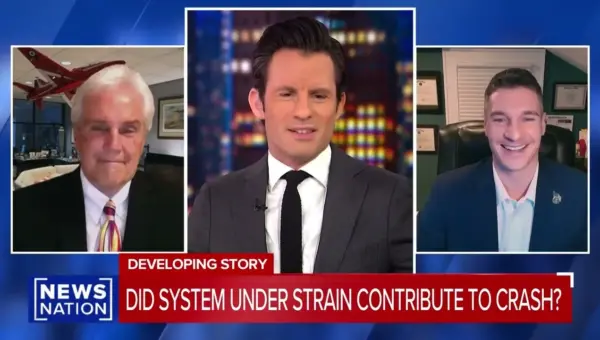
“The NTSB is looking at the factual data, trying to come up with the whys and ultimately make recommendations to prevent it from happening again,” explained former FAA scientist and NTSB investigator Alan Diehl.
Key Evidence Being Examined
Investigators are examining several crucial pieces of evidence. The flight data recorder and cockpit voice recorder from the Air Canada plane are expected to provide vital information about the moments leading up to the crash. The NTSB will also interview the surviving firefighters from the crash truck, who are critical witnesses to the incident.
Environmental factors are also being considered. The crash occurred at night, with fog and mist present in the air, potentially impacting visibility for both pilots and ground crews. The NTSB chairwoman noted that the air traffic controller involved would typically be removed from duty and would be interviewed as part of the investigation, acknowledging the traumatic nature of the event for the controller as well.
Broader Safety Concerns and Funding Demands
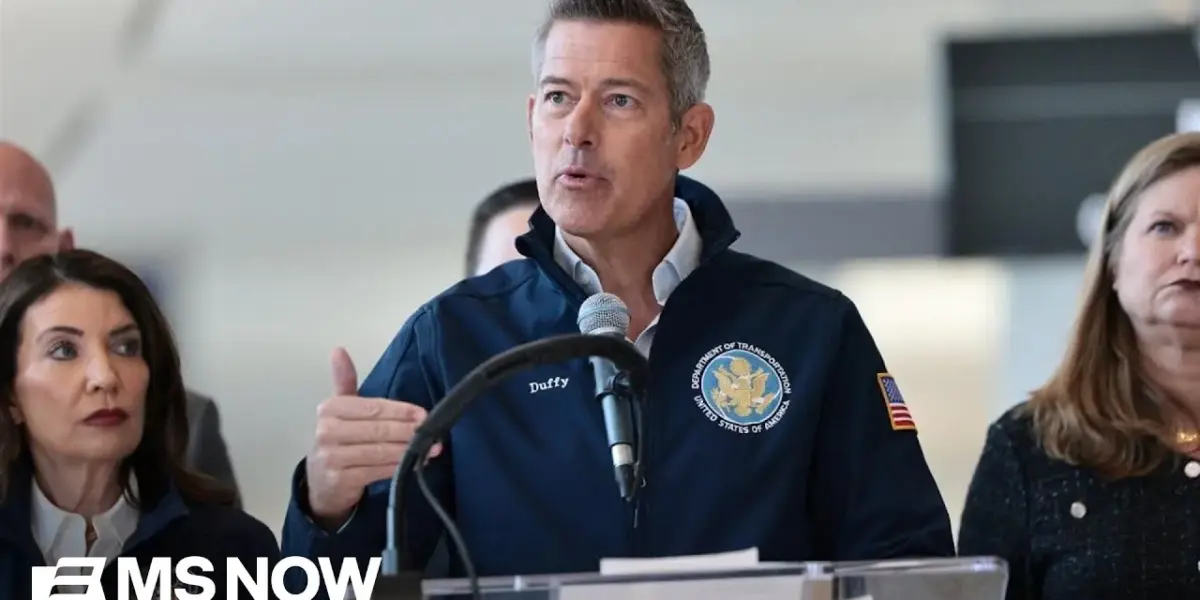
The tragedy has amplified concerns about the current state of air traffic control technology and staffing. U.S. Transportation Secretary Sean Duffy has made a public plea for more federal funding to upgrade the system. He emphasized that while modernization efforts are underway, additional financial support from Congress is essential to fully implement new technologies.
“We need more money for air traffic control. We are modernizing our system, but we can’t fully modernize it until the Congress gives us additional money,” Secretary Duffy stated.
Diehl supported the call for modernization, highlighting the availability of technologies like ADS-B (Automatic Dependent Surveillance-Broadcast). This system can significantly increase situational awareness for ground vehicles, including fire trucks, similar to how it benefits aircraft. However, he noted that the willingness of Congress to fund such advancements remains a critical question.
Investigation Supported by Multiple Agencies
The investigation is a large-scale effort involving multiple agencies. In addition to the NTSB, the Federal Aviation Administration (FAA), the Port Authority of New York and New Jersey, and Transport Canada are participating. The presence of Canadian investigators underscores the international cooperation in addressing aviation safety.
The process of getting investigators to the crash site was initially hampered by a government shutdown, which caused significant airport disruptions and ground stops at LaGuardia and nearby Newark Liberty International Airport. Once on site, the investigators faced a crowded tarmac filled with equipment and personnel as they began their meticulous work.
Looking Ahead: Modernization and Safety Improvements
While the investigation into the LaGuardia crash is ongoing, the incident serves as a stark reminder of the importance of continuous investment in aviation safety. The NTSB’s findings and recommendations will be crucial in guiding future improvements. The plea for increased funding highlights a critical juncture for air traffic control, where technological upgrades and adequate staffing are paramount to preventing future tragedies and ensuring the safety of air travel for millions.
Source: Transportation Secy. Duffy pleads for more funding after deadly LaGuardia crash (YouTube)

Related Articles
LaGuardia Runway Reopens After Deadly Crash, Safety Lapses Exposed
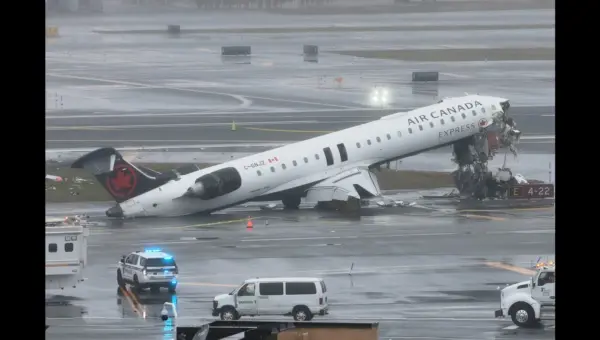
LaGuardia Airport's main runway has reopened after a fatal crash involving an Air Canada Express jet and a fire truck. The incident, which killed two pilots, exposed critical failures in airport safety systems, including ground surveillance and transponder use.
Iran War Talks Ignite, Airport Chaos Deepens
President Trump confirms peace talks with Iran are underway, while US airports face ongoing chaos due to the DHS shutdown. Investigations into a fatal LaGuardia crash reveal systemic safety issues, with experts citing controller fatigue and staffing shortages. Meanwhile, the search for a missing elderly woman continues in harsh desert terrain, highlighting diverse challenges facing the nation.
Air Safety Fears Soar After Deadly Crash
A fatal crash at LaGuardia Airport has triggered a national review of air safety, revealing a pattern of close calls and communication issues at U.S. airports. Investigators are examining technology and staffing, as calls grow for urgent safety upgrades.