Deal Nears to End DHS Shutdown, Fund TSA Amid Travel Chaos
Lawmakers are reportedly nearing a deal to end the partial government shutdown and fund the Department of Homeland Security, including the TSA. The shutdown has caused significant travel disruptions nationwide, with passengers facing hours-long airport delays. Experts warn that the current crisis highlights deeper, systemic problems within the U.S. air travel infrastructure that require long-term solutions.

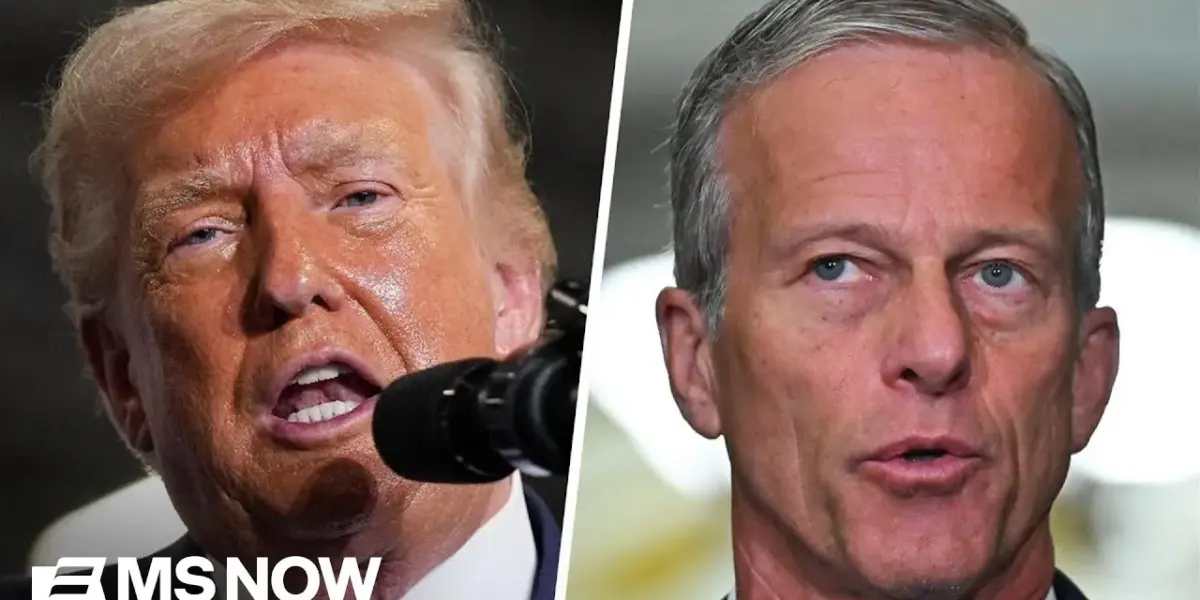
Lawmakers Inch Closer to Funding Bill Amid Airport Delays
Washington, D.C. – As the partial government shutdown continues to disrupt travel, senators are reportedly nearing a deal to fund the Department of Homeland Security (DHS) and the Transportation Security Administration (TSA). Travelers nationwide have faced significant delays, with some arriving at airports hours before their flights, only to encounter long security lines. The situation highlights a deeper dysfunction within the U.S. air travel system, exacerbated by political gridlock.
Airport Woes: Long Lines and Frustrated Travelers
At Atlanta’s Hartsfield-Jackson International Airport, a major travel hub, passengers have been experiencing wait times of four to five hours. While Tuesday saw shorter lines of about 30 minutes, the impact of TSA officers calling out sick has been dramatic. In Atlanta alone, 40% of TSA officers have reportedly called out, leading to the extended delays.
Union representatives express concern that the situation could worsen, with no clear end in sight. Passengers, though relieved by shorter waits when they reach the front of the line, remain frustrated by the overall disruption. Many show empathy for the TSA officers working without paychecks.
“Treat people how you want to be treated,” one traveler urged lawmakers. “You are not in these long lines. You do not have small babies. We need you to get your act together so that these people can get back to work, get paid as they should be because they are doing the work.”
Airlines Take Action Amid Shutdown
In response to the ongoing travel chaos, airlines are beginning to take matters into their own hands. Delta announced it has suspended courtesy and family escorts for members of Congress. This move signals a growing impatience with the political stalemate affecting the travel industry and its customers.
Political Stalemate and Presidential Influence
The current crisis is seen by some as a consequence of President Trump’s approach to negotiations, characterized by picking fights and prioritizing political wins over practical solutions. The refusal to agree to short-term funding measures that would alleviate airport issues has drawn criticism.
“He cares nothing about solutions. He picks these fights. He sees everything as sort of this is about saving, really. That’s what it’s about,” observed one analyst. The situation is further complicated by the fact that driving has become more expensive, and flights are impacted, adding to the strain on travelers.
There are also concerns that the deployment of ICE agents to assist at airports is a deliberate tactic. “I think it’s a very deliberate tactic here to use ICE as a sort of back pocket paramilitary force that will enforce whatever this President administration wants to do,” one commentator stated.
Systemic Issues Plague Air Travel
Beyond the immediate shutdown, experts point to a larger, systemic problem within the American air travel system. Years of underinvestment in critical infrastructure like air traffic control and airport maintenance have created a fragile system. The first fatal crash of an American carrier in 16 years, which occurred at the start of President Trump’s term, is seen as symptomatic of these deeper issues.
David Graham, a staff writer for The Atlantic, noted that the current airport problems are part of a “much bigger problem, which is that the American system of air travel is essentially broken.” This dysfunction in politics, he argues, prevents necessary problems from being solved, leading to short-term fixes or, in this case, a refusal to accept solutions.
Hope for a Deal, But Skepticism Remains
Lawmakers are reportedly close to an agreement that would fund most of DHS, excluding the enforcement and removal operations of ICE, with plans to address those issues later. This proposal is similar to earlier ones that the President reportedly rejected.
While some senators express optimism following a meeting with the President, many Democrats remain skeptical. They are awaiting a finalized document and confirmation from the President himself. “Trust and verify,” is the sentiment from many on both sides of the aisle.
Senator Tom Udall suggested that progress was made in a recent meeting, noting that deals are often struck just before recess. However, he emphasized the need to stay in session until a resolution is reached if necessary. The looming Easter/Passover holiday break provides a deadline, and the public pressure from airport disruptions is seen as a key motivator for action.
Root Causes: Politics and Neglect
The crisis is deeply intertwined with political motivations, particularly concerning President Trump’s agenda. Some believe the airport situation is being used to distract from other issues and to advance policies like restricting mail-in voting.
“The Republican Party is not a governing party now,” Stuart Stevens, senior advisor at The Lincoln Project, stated. He described the situation as “really bad, dysfunctional.” The fear within the party, he noted, prevents open discussion and problem-solving.
Looking Ahead: Will Reforms Stick?
Even if a deal is reached to end the shutdown, there is concern that the underlying systemic problems in air travel will be ignored. Congress has a history of failing to act on essential reforms, even after critical incidents.
For example, despite a preliminary report highlighting systemic issues before a deadly Potomac River crash, Congress has yet to pass legislation recommended by regulators. The FAA, while taking some actions, faces limitations, with reports of outdated technology like floppy disks being used in air traffic control. Near misses and other incidents underscore the urgent need for increased funding and reforms. The trade-off between cost-saving and effective operation in the air traffic system is becoming increasingly apparent to travelers.
Source: Senators close in on deal to end DHS shutdown and fund TSA (YouTube)

Related Articles
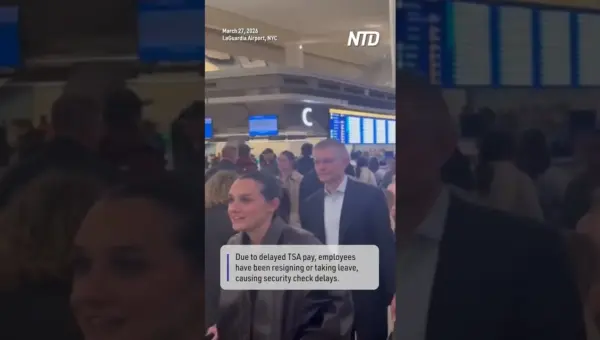
TSA Staff Cuts Create Airport Chaos for Travelers
Recent TSA agent shortages, fueled by a government shutdown and delayed pay, have caused significant delays and long security lines at major airports. This situation highlights the critical role of TSA staff and the impact of funding issues on essential services.
House Funds DHS, But Senate Deal Unlikely Amid Shutdown
The House of Representatives has passed a bill to fund the Department of Homeland Security, but the measure is unlikely to pass the Senate. TSA workers, who have faced missed paychecks and disruptions, may receive some pay soon due to a presidential order, but the broader shutdown continues.

DHS Funding Crisis Sparks Chaos, Congressman Blames Poor Communication
Congressman Darrell Issa blames "failure to communicate" for the DHS funding crisis leading to unpaid TSA agents and airport chaos. The House is preparing a short-term bill as security concerns rise.