Valero Refinery Blast: Safety Questions Emerge After Texas Explosion
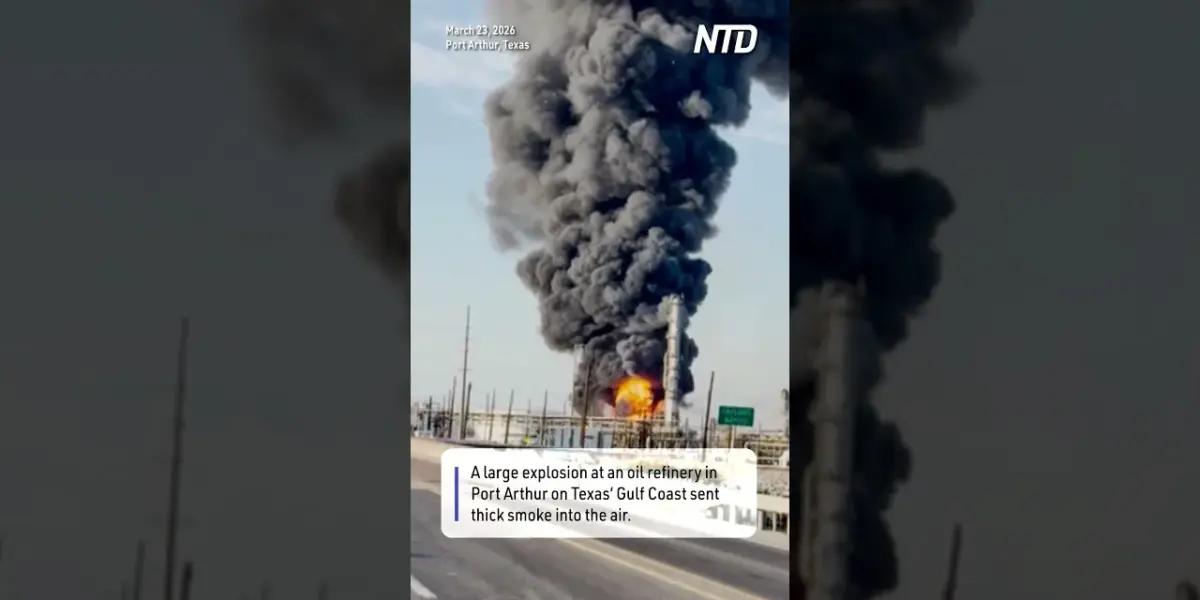
An explosion at the Valero oil refinery in Port Arthur, Texas, sent smoke into the air but resulted in no reported injuries. The fire was contained, but the incident raises questions about safety protocols in the vital oil refining industry.

Valero Refinery Blast: Safety Questions Emerge After Texas Explosion
A large explosion rocked the Valero oil refinery in Port Arthur, Texas, sending a plume of smoke into the sky. The incident, which occurred recently, fortunately resulted in no reported injuries. Firefighters worked to contain the blaze, and it was eventually brought under control.
This event at a major industrial site raises important questions about safety protocols and the potential risks associated with oil refining operations. While the immediate outcome was positive with no one hurt, such incidents can have wider implications for the community and the energy sector.
Background of Oil Refining Incidents
Oil refineries are complex facilities that handle highly flammable materials under intense pressure and heat. Because of this, accidents, though not common, can happen. Past incidents at refineries across the country have sometimes led to injuries, environmental concerns, and significant disruptions in fuel production.
For example, major refinery fires and explosions have occurred in places like Philadelphia and Superior, Wisconsin, in recent years. These events often trigger investigations into the causes, which can range from equipment failure to human error. Lessons learned from these past accidents are meant to inform current safety standards.
The Port Arthur Incident: What We Know
The explosion at the Valero refinery in Port Arthur appears to have been a significant event, judging by the visible smoke. Valero Energy Corporation is a major player in the oil and gas industry, operating numerous refineries and terminals. The Port Arthur facility is one of its key locations for processing crude oil into gasoline, diesel, and other products.
The fact that no injuries were reported is a critical piece of information. It suggests that emergency procedures may have worked as intended, or that the initial blast did not directly impact personnel. The swift containment of the fire also points to the effectiveness of the on-site emergency response teams.
Potential Causes and Investigations
While the exact cause of the explosion has not yet been publicly detailed, investigations will likely focus on several areas. These could include the integrity of processing units, the maintenance history of the equipment involved, and any recent operational changes at the plant. It’s common for regulatory bodies, like the U.S. Chemical Safety Board, to review such incidents thoroughly.
These investigations aim to pinpoint the root cause to prevent future occurrences. Understanding the sequence of events leading up to the explosion is crucial for implementing corrective actions. This could involve upgrades to safety systems, enhanced training for workers, or changes in operating procedures.
Why This Matters
Incidents at oil refineries, even those without injuries, matter for several reasons. Firstly, they highlight the inherent risks in an industry vital to our daily lives. The energy we use for transportation, heating, and manufacturing comes from processes that carry potential dangers.
Secondly, the safety of communities located near these industrial sites is paramount. While the smoke may have been contained within the refinery’s boundaries, any large industrial accident carries the possibility of spreading hazards. Proximity means residents are directly affected by the operational safety of these plants.
Finally, these events can impact the supply and price of fuel. A significant disruption at a major refinery can lead to temporary shortages or price fluctuations at the pump, affecting consumers and businesses alike.
Broader Implications and Future Outlook
The Valero refinery explosion is a reminder that the energy infrastructure supporting modern society requires constant vigilance. As the world continues to rely on fossil fuels, ensuring the safety and reliability of refining operations remains a top priority.
Looking ahead, the focus will likely be on how Valero and the broader industry respond to this event. Will it lead to enhanced safety investments or stricter oversight? The industry faces pressure to not only meet energy demands but also to operate with the highest safety standards. Continuous improvement in technology and safety protocols will be key to minimizing risks and maintaining public trust.
The incident serves as a data point in the ongoing discussion about industrial safety. It underscores the need for robust safety management systems, transparent reporting, and a commitment to learning from every event, big or small.
Source: Explosion Rocks Valero Oil Refinery on Texas’ Gulf Coast (YouTube)

Related Articles


Ukraine Strikes Russian Oil Refinery, Eyes Iran Threat
Ukrainian forces struck a key Russian oil refinery, disrupting Moscow's war capabilities. Meanwhile, Finland's president urged continued U.S. support for Ukraine, as Kyiv shares its air defense expertise globally amid growing geopolitical complexities involving Iran and potential sanctions against Hungary.


Cosmic Visitor Rocks Texas Home, Sparks Meteorite Inquiry
A Texas woman's home was struck by a meteorite, which crashed through multiple floors before landing in her daughter's bedroom. This rare event follows recent meteor sightings in California and Ohio, prompting scientific interest and public fascination with celestial occurrences.
Texas Refinery Blast Forces Evacuation: What It Means
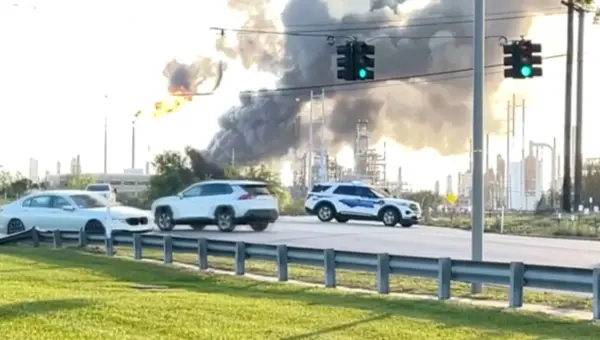
A massive explosion at a Valero oil refinery in Port Arthur, Texas, sent plumes of smoke into the sky, forcing residents to shelter in place. While no injuries were reported, the incident highlights critical concerns about industrial safety and environmental impact in communities located near such facilities.