Trump’s Iran Attacks Trigger Global Helium Shortage
Former President Donald Trump's military actions against Iran have led to a critical global shortage of helium, a vital resource for MRIs and semiconductors. The halt in supply from Qatar has far-reaching economic and health implications for the U.S.

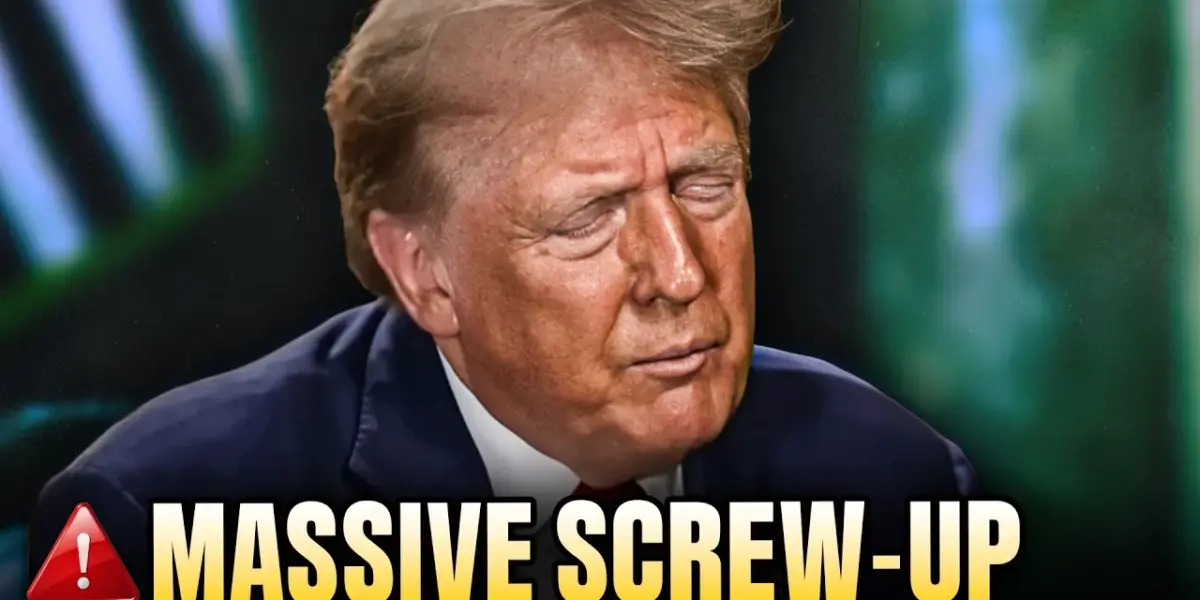
Trump’s Iran Actions Spark Unexpected Global Helium Crisis
In a move that has sent ripples far beyond the battlefield, former President Donald Trump’s military actions against Iran have inadvertently triggered a critical shortage of helium, a resource vital to modern life. The disruption to global supply chains, particularly from Qatar, highlights how geopolitical decisions can have unforeseen and far-reaching consequences, impacting everything from advanced medical equipment to everyday technology.
A Vital Resource Under Threat
The United States is currently facing a significant lack of helium, a situation directly linked to Trump’s military engagement with Iran. While many might associate helium with party balloons, its uses are far more profound and essential. One-third of the world’s helium supply comes from Qatar, a nation that immediately halted production and shipping following the initial missile strikes into Iran. This shutdown has created a bottleneck, leaving the U.S. scrambling for this indispensable element.
Beyond Balloons: Helium’s Crucial Role
Helium is not merely a novelty gas for inflating balloons; it is a cornerstone of numerous industries. Magnetic Resonance Imaging (MRI) machines, crucial for medical diagnostics, rely heavily on helium to cool their powerful superconducting magnets. Semiconductor manufacturing, the backbone of our digital world, also requires helium for various processes. In essence, many products and services we encounter daily, or depend on for our health and technology, involve helium in their creation or operation.
“There are so many downstream elements to this war that people don’t even know about yet, way beyond gas prices.”
– Sarah McGee, Democratic candidate for Texas House of Representatives
Economic and Health Implications
The halt in helium supply poses a serious threat to the U.S. economy and healthcare system. Financial experts and policy analysts have issued stark warnings about the potential fallout. Thomas Malanin, a geopolitical expert, predicted a “horrendous” collapse as essential systems begin to break down. Matt Stler, a policy analyst, noted that Trump’s actions could alienate his own supporters, suggesting a broader political and social impact.
The immediate concern is for critical infrastructure. With MRI machines already facing wear and tear in an aging healthcare system, the inability to repair or maintain them due to a lack of helium could lead to widespread disruptions in medical care. Sarah McGee accurately pointed out that the ripple effects of such geopolitical actions extend far beyond immediate concerns like rising gas prices, impacting sectors people may not even consider.
Historical Context and Presidential Decision-Making
This situation draws attention to the consequences of unilateral foreign policy decisions. While the transcript does not provide specific dates or details of the military actions, it frames them as a choice made by President Trump, with Congress allowing it to proceed. The criticism suggests a pattern of ignoring expert advice, leading to unintended domestic crises. The analogy is drawn to Trump’s own potential reliance on MRI machines, implying a self-inflicted risk due to the helium shortage he is accused of creating.
Why This Matters
The helium shortage serves as a stark reminder of the interconnectedness of global supply chains and the profound impact of foreign policy on domestic stability. It illustrates how decisions made on the international stage, driven by geopolitical considerations, can have tangible and immediate effects on everyday life and critical infrastructure. The event underscores the importance of understanding the full spectrum of consequences before engaging in military action, especially when vital resources are involved.
Future Outlook and Trends
The current helium shortage highlights a vulnerability in resource dependency. As global demand for helium continues to rise, driven by technological advancements and healthcare needs, diversifying supply sources and exploring alternative technologies will become increasingly important. Geopolitical stability in helium-producing regions like Qatar is crucial. The incident may prompt a re-evaluation of national strategies for securing essential resources and a greater emphasis on diplomatic solutions to prevent such disruptions.
Source: Trump Triggers SHOCKING Shortage After Another Screw Up (YouTube)

Related Articles

Stocks Ignore War Risks, Focus on “Taco Moments”
Stock markets appear to be overlooking the severe supply chain risks stemming from the Iran conflict, focusing instead on potential diplomatic de-escalations. While the S&P 500 shows resilience, bond and commodity markets signal deep concern over disruptions to critical resources like LNG, helium, and fertilizers.

Polls Spell Doom: Republicans Face Voter Backlash
New polling data reveals a sharp decline in public confidence regarding the economic impact of Republican policies, particularly under Donald Trump. A significant majority now feel financially worse off, a trend that is especially pronounced among independent voters. This economic discontent poses a major challenge for the Republican party heading into future elections.

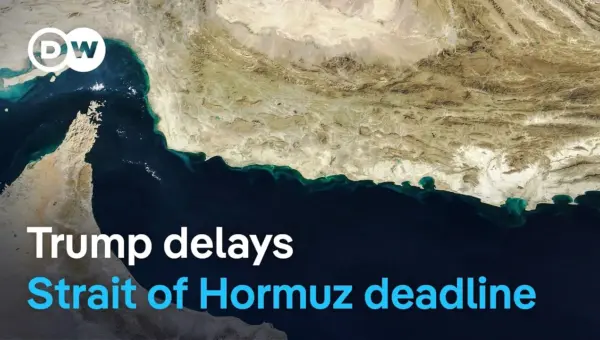
Trump Delays Iran Strike Deadline Amidst Shifting Diplomacy
President Donald Trump has extended his deadline for potential strikes on Iranian energy plants to April 6th, amid reports of U.S.-Iran diplomatic talks mediated by Pakistan. This move comes as Israel continues its strikes on Iran and the U.S. deploys additional military assets to the region. Analysts point to mixed signals, economic pressures, and strategic miscalculations as key factors shaping the evolving situation.