Marines Deploy as Trump Offers Iran 5-Day Deal
President Trump has paused planned strikes on Iran, offering a five-day negotiation window as thousands of U.S. Marines deploy to the Middle East. Lawmakers are also discussing a $200 billion defense package, while progress is being made on digital asset regulation.

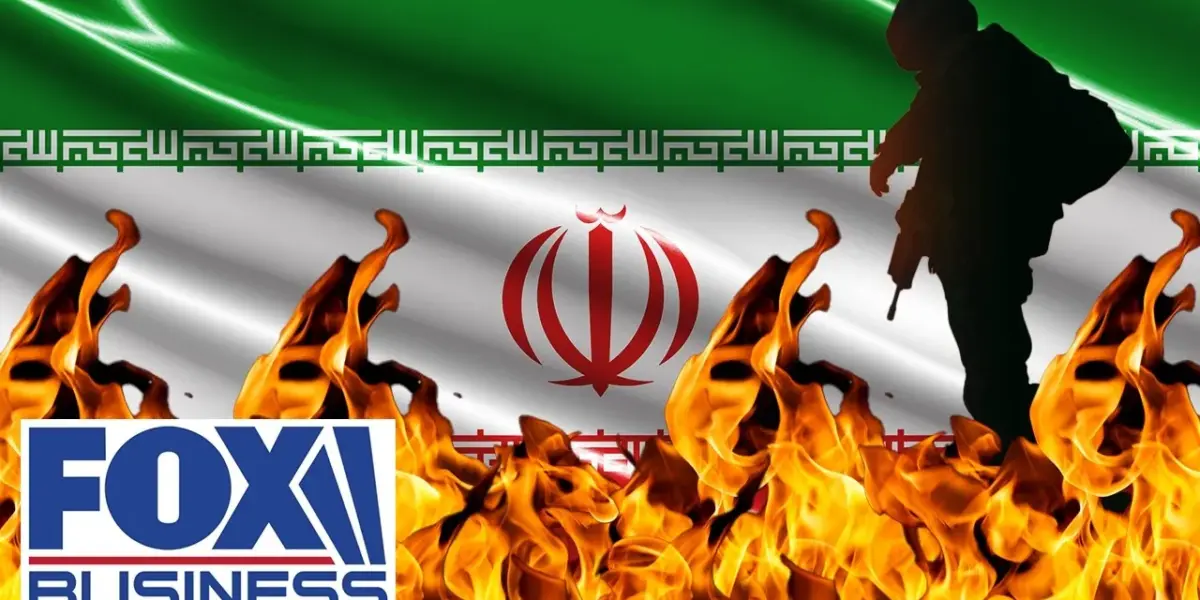
US Sends Marines to Middle East Amid Iran Tensions
President Trump has ordered a temporary halt to planned strikes against Iran, offering a five-day window for talks. This move comes as thousands of U.S. Marines are reportedly en route to the Middle East. The President stated his hope for a favorable deal, noting that avoiding a complete military annihilation of Iran would be a positive outcome.
The deployment of Marines and the postponement of military action are tied to a deadline set by President Trump for Iran to reopen the Strait of Hormuz. Iran’s potential closure of this vital waterway has been a major concern for global oil prices. During the First Gulf War, oil prices surged to $200 a barrel when the Strait was threatened. The administration aims to prevent such economic disruption.
Pentagon Seeks $200 Billion for Defense Amid Iran Concerns
Lawmakers are discussing a significant $200 billion Pentagon request to address evolving global threats, particularly from Iran. Congressman Dave McCormick, a combat veteran and Chairman of the Middle East Subcommittee, expressed strong support for increased defense spending. He emphasized the need to maintain America’s military superiority and invest in cutting-edge technology.
“It is clear the nation warfare is changing dramatically,” McCormick stated. “America has superiority capability. We need to make sure we maintain cutting edge.”
McCormick highlighted the importance of supporting U.S. service members and countering state-sponsored terrorism. While he awaits details on the defense package, he stressed the necessity of adapting to modern warfare, as seen in conflicts like Ukraine and the Middle East. The focus is on maintaining technological advantage and ensuring troops have the best equipment.
Strategic Reserves and Drone Production Key to Oil Price Stability
The administration is employing multiple strategies to manage oil prices and economic impacts. Releasing oil from the Strategic Petroleum Reserve (SPR) is a key measure to dampen price shocks. For instance, a 50-cent increase in gasoline prices at the pump can significantly affect consumers, making such interventions crucial.
Military operations are focused on degrading Iran’s missile and drone capabilities. The goal is to maintain open passage through the Strait of Hormuz, through which about 20% of the world’s natural gas and oil are transported. The strategy combines economic measures with sustained military pressure to ensure Iran adheres to agreements.
The deployment of Marines is intended to bolster options for securing the Strait of Hormuz, without signaling an extended land war. This approach differs significantly from past conflicts in Iraq or Afghanistan, prioritizing specific military objectives and maintaining maximum flexibility.
Investment in Drone Technology and Mass Production Urged
There is a strong push for increased investment in drone technology and mass production. Companies like Anduril are at the forefront of developing advanced drone systems. The aim is to create the capacity for large-scale production, enabling the delivery of drones and counter-offensives at a lower cost.
This focus on production capability is seen as essential to match Iran’s ballistic missile development. The advanced technology America possesses needs to be paired with the ability to produce it rapidly and affordably. Lessons learned from Ukraine and the Middle East are informing these strategic priorities.
Digital Assets Regulation Nears Breakthrough
In parallel to geopolitical developments, significant progress is being made on digital asset regulation. White House and Senate leaders are reportedly close to a preliminary agreement on a framework for digital assets. This potential breakthrough could resolve disputes between traditional banks and cryptocurrency firms regarding payment systems and stablecoins.
Senator Cynthia Lummis explained that payment coins, or stablecoins, require 100% asset-backed reserves, unlike fractional reserve banking used by traditional banks. This distinction means stablecoins may not require the same level of FDIC insurance as banks. The proposed framework aims to integrate a robust stablecoin system while ensuring appropriate oversight.
“It is going to take a while for people to see the difference,” Senator Lummis noted. “But I think we will find that we can integrate a very robust payment stablecoin system without the full insurance that goes with being FDIC assured.”
The agreement is expected to address issues like activity-based rewards and the ability of stablecoin players to move money. While not everyone may be fully satisfied, the consensus is to establish a clear regulatory framework. This certainty is vital for consumer protection and fostering innovation in the digital asset space.
Kevin Warsh Confirmation Hearing Expected Soon
The confirmation hearing for Kevin Warsh, a nominee for a key position, is also moving forward. After a period of being on pause, progress is being made as Warsh engages in discussions with lawmakers. His confirmation is anticipated to proceed through the Senate once outstanding issues are resolved.
Source: PRESSURE RISING: Marines SURGE into the region as tensions hit critical breaking point (YouTube)

Related Articles
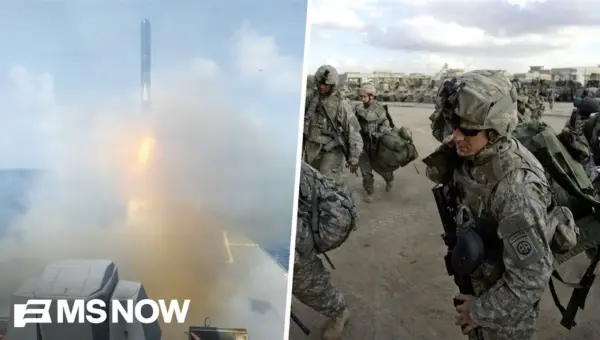
Iran Missile Strikes Injure US Troops, Raise War Concerns
Iranian missile strikes have injured U.S. service members, escalating tensions as the conflict nears one month. The attacks are raising concerns about the effectiveness of U.S. military strategy and the depletion of crucial missile stockpiles. Global oil prices have surged, impacting economies worldwide.


Strait of Hormuz Blockade: Insurance Costs Soar, Ships Stuck
The Strait of Hormuz remains largely blocked despite Iran's claims of openness, with soaring insurance costs acting as a major deterrent for ships. Skyrocketing premiums, from less than 1% to potentially 7.5% of a vessel's value, make transit financially unviable for many. This situation impacts global oil prices and the broader economy, highlighting the complex interplay of geopolitical tensions, insurance markets, and international trade.

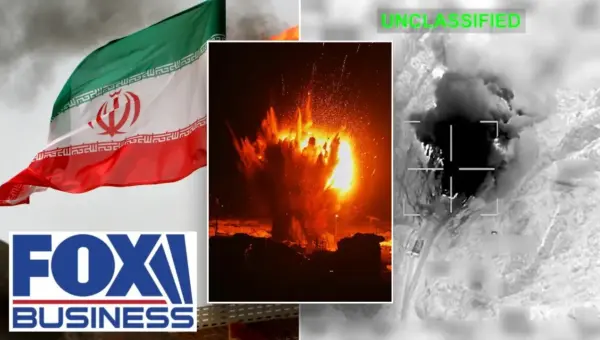
Iran Tensions Send Oil Prices Soaring; Farmers Seek Relief
Escalating tensions with Iran are driving oil prices higher, while U.S. troop deployments to the Middle East increase. Meanwhile, American farmers are receiving relief from rising costs through regulatory changes and support measures, as devastating wildfires impact Nebraska's cattle industry.