Trump Faces Iran Stalemate: No Easy Answers for Mideast Conflict
Former U.S. diplomat Barbara Leaf suggests President Trump faces a difficult reality in Iran, where quick diplomatic or military solutions are unlikely. Talks are stalling, and a long, grinding negotiation process is needed to prevent Iran from holding the global economy hostage. Gulf states are under pressure but want continued U.S. engagement.

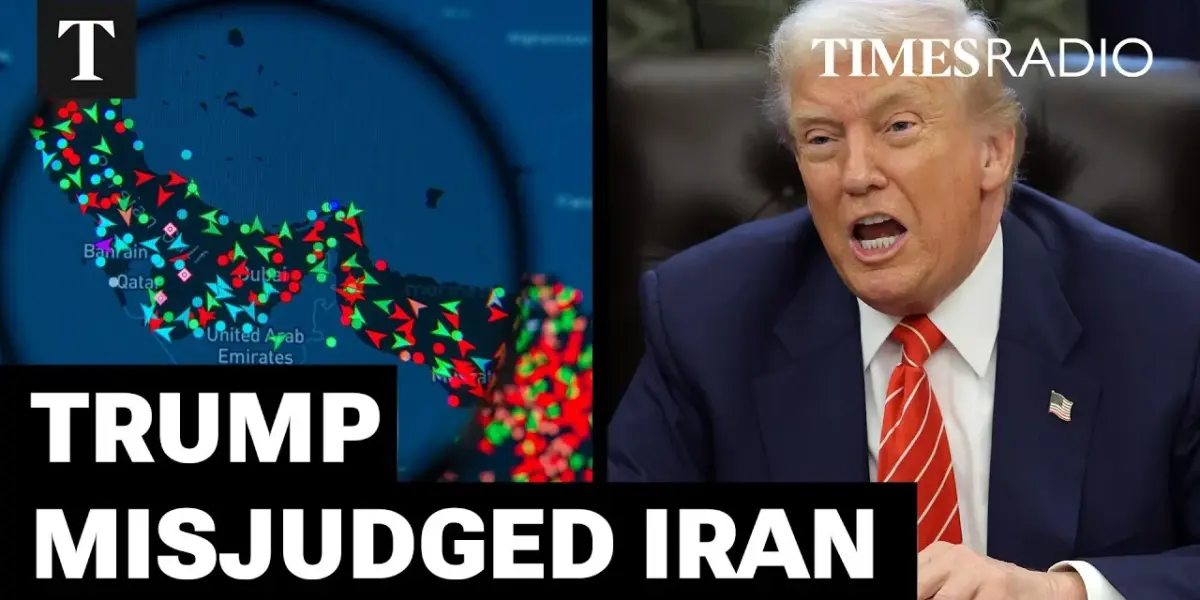
Trump Administration Grapples with Iran Crisis Amidst Diplomatic Dead End
The Trump administration is facing a complex and challenging situation with Iran, as efforts to de-escalate tensions and secure the release of vital shipping lanes appear to be hitting significant roadblocks. Despite threats and diplomatic maneuvering, the path forward remains uncertain, with a former top U.S. diplomat suggesting that quick wins are not possible in dealings with Tehran.
Talks Stall as Iran Remains Unyielding
Despite reports of potential high-level talks hosted by Pakistan, involving Vice President JD Vance, there has been no indication that any significant Iranian figures will attend. This comes as a five-day window for negotiations, a critical period, is closing. While channels of communication have reportedly opened, former U.S. Assistant Secretary of State for Near Eastern Affairs, Barbara Leaf, expressed skepticism about reaching any agreement, even a preliminary one, within this short timeframe. “The prospect of getting to an agreement of any kind, even a framework agreement in 5 days seems remote,” Leaf stated.
Unclear Strategy and Lingering Threats
The overall strategy from the Trump administration remains unclear, with former Secretary of Defense General Jim Mattis describing the situation as “very murky.” President Trump’s ultimate goals are as uncertain as ever. A key point of contention, the Strait of Hormuz, remains closed or at risk, a critical chokepoint for global oil transport. Iran has used this as leverage, shutting down passage and then negotiating terms for limited shipments, while continuing its own oil exports unabated.
Miscalculations and Lack of Planning
There are indications that the administration may have underestimated the situation prior to the current conflict. Reports suggest an initial belief that military strikes would quickly neutralize threats and lead to regime collapse or popular uprising, a scenario reminiscent of the 2003 Iraq invasion. However, this approach appears to have lacked sufficient planning for the current realities. “There was simply no planning for this scenario,” Leaf observed.
Alliances and the Grind of Diplomacy
Leaf emphasized the importance of alliances in addressing the crisis. The U.S. entered the current conflict with only Israel as a direct ally, which she deems insufficient. She stressed that ensuring Iran cannot hold the global economy hostage requires “a long and grinding set of negotiations.” This approach, she noted, is something the current administration has shown little patience for, despite it being the necessary work of diplomacy. Military means alone, she argued, will not achieve the desired outcome.
A Hard Lesson for Presidents
The current situation echoes a lesson learned by previous U.S. presidents, from Jimmy Carter onward: there are no easy solutions when dealing with Iran. Steve Witkoff, Trump’s Middle East envoy, is reportedly traveling to Pakistan, but if his proposals mirror the conditions before the conflict began, a resumption of hostilities is likely. “President Trump is in the process of learning a hard lesson that every president going back to Jimmy Carter has learned – the hard way, which is there are no quick wins in foreign policy with Iran,” Leaf explained.
Gulf States Under Strain, Seek U.S. Commitment
Relations with Gulf states remain stable, but these nations are experiencing significant strain due to daily barrages of missiles and drones, particularly the UAE and Kuwait. Protecting their populations and critical infrastructure has become an enormous challenge. Despite this, these countries want the U.S. to remain committed to the region, rather than withdrawing as President Trump has sometimes suggested. They desire a post-war Iran that is unable to project power and threaten its neighbors.
Painful Negotiations Ahead
Leaf anticipates that the situation will likely lead to painful negotiations. However, she believes that global economic pressures, regional circumstances, and the demands of U.S. partners will compel the U.S. to engage. Walking away is not a viable option, as Iran would likely resume holding the Strait of Hormuz hostage. The path forward requires a sustained diplomatic effort, even if it proves difficult.
Source: Trump Is Learning 'There Are No Quick Wins With Iran' The Hard Way | Former US Ambassador (YouTube)

Related Articles

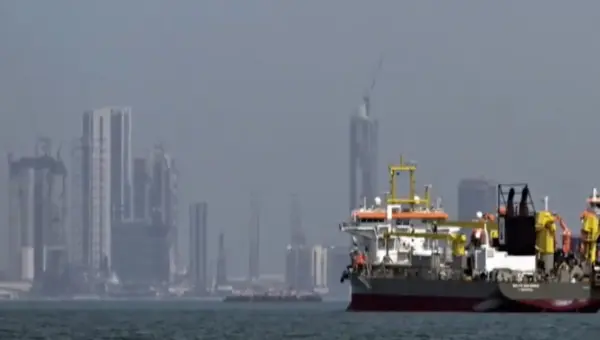
Iran Blocks China Ships, Exposing Beijing’s Weak Grip
Iran's recent decision to block Chinese ships at the Strait of Hormuz is exposing the limits of Beijing's influence in the Middle East. This action is causing delays and cancellations for Chinese manufacturers, turning a perceived geopolitical win into an economic strain.
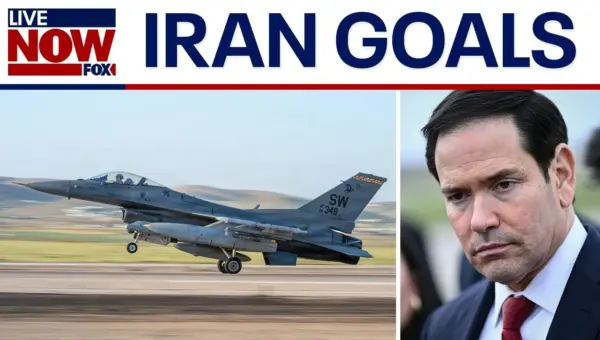
Rubio: US Can Achieve Iran War Goals Without Troops
Senator Marco Rubio outlined a strategy to counter Iran without deploying U.S. ground troops, focusing on weakening the regime and enhancing maritime security. He also criticized Cuba's economic system and expressed concerns about West Bank violence.


Israel Escalates Iran Strikes, Warns of Wider War
Israel has launched significant strikes inside Iran following continued missile fire, warning of further escalation. The conflict risks wider regional instability and economic disruption, especially concerning the Strait of Hormuz.