Trump Halts Iran Strikes, Sets 5-Day Deal Deadline
President Trump has halted potential strikes on Iran for five days, demanding a deal to reopen oil shipping lanes. Meanwhile, lawmakers discuss $200 billion in conflict funding and creative legislative strategies for domestic issues.

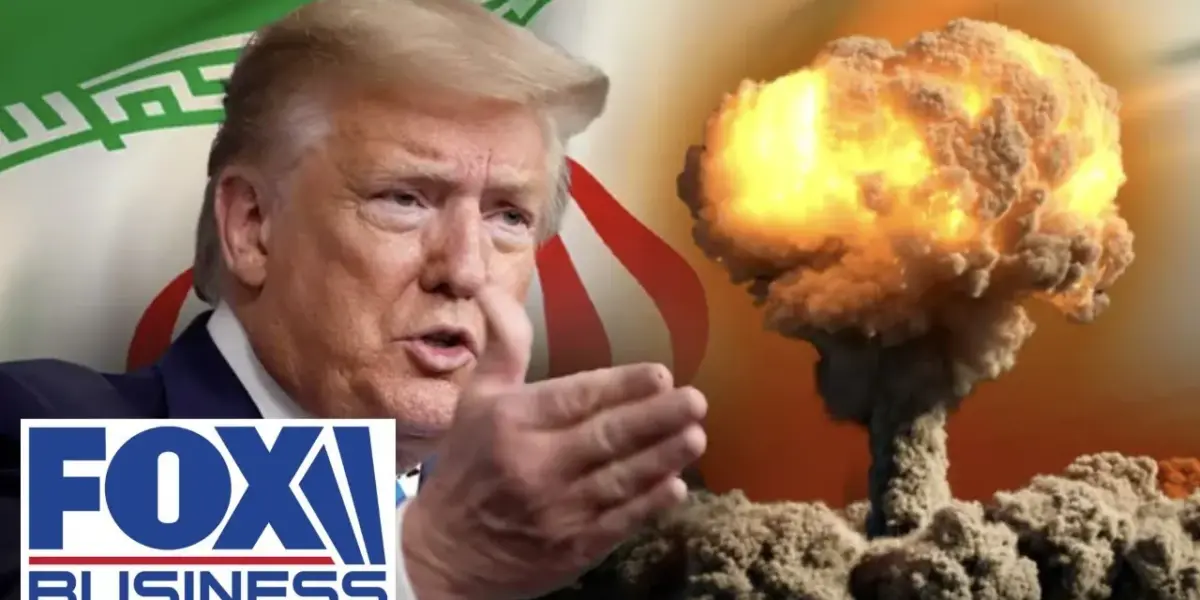
Trump Pauses Iran Strikes, Demands Deal Within Five Days
President Trump has ordered a temporary halt to military strikes against Iran, setting a strict five-day deadline for productive talks aimed at a resolution. This decision, announced Friday, comes amid escalating tensions and follows what the President described as promising discussions. The pause in action is a significant development, shifting the focus from immediate military engagement to diplomatic negotiation, with potential implications for global oil markets and regional stability.
The President’s directive gives Iran until Friday to reopen the Strait of Hormuz and ensure the free flow of oil traffic, a move that could help lower global oil prices. This deadline coincides with reports of thousands of U.S. Marines preparing to deploy to the Middle East, signaling that military readiness remains high despite the diplomatic push.
GOP Lawmakers Debate $200 Billion Iran Conflict Funding
As diplomatic efforts unfold, Republican lawmakers are discussing a substantial $200 billion funding request from the Pentagon for the Iran conflict. Senator Joni Ernst, a retired Lieutenant Colonel in the Iowa Army National Guard, emphasized the need for clear details on how this money would be allocated, whether for munitions or additional military platforms. “I think it’s really important, Maria, that those representing the Pentagon and the pocketbook come together and we discuss what exactly that $200 billion would go towards,” Senator Ernst stated during an interview.
Senator Ernst, whose home state of Iowa has felt the impact of the conflict with fallen soldiers, stressed the importance of protecting U.S. citizens abroad and at home from Iranian threats. She expressed hope for a mission that leads to a more stable and peaceful Middle East. However, she reiterated the need for transparency regarding the Pentagon’s financial needs before supporting the funding package.
Reconciliation Package Discussions Continue
The conversation also touched upon the possibility of a reconciliation package, a legislative tool often used to pass budget-related bills with a simple majority in the Senate. Lawmakers are exploring creative ways to include various issues within such a package. Congressman Andy Barr suggested that certain provisions, like those related to election security or voter identification, could potentially be framed as budgetary items to fit within a reconciliation bill.
This approach could involve federal funding to states for implementing secure election practices, including providing government-issued IDs for voters. Senator Ernst indicated a willingness to explore these creative solutions, highlighting the importance of securing elections and ensuring that all citizens can participate. “There’s a number of ways we could be creative with this and I’m willing to explore those opportunities because I think this is that important,” she commented.
Markwayne Mullin Tapped for Homeland Security Secretary
In other significant news, Senator Markwayne Mullin has been confirmed to lead the Department of Homeland Security (DHS). His confirmation is expected to bring a renewed focus to resolving the ongoing impasse over DHS funding. Senator Ernst expressed optimism that Secretary Mullin’s experience in bipartisan negotiations will help break the deadlock and ensure that frontline personnel, such as TSA agents and Coast Guard members, receive their much-needed paychecks.
The appointment comes at a critical time, with ongoing challenges at the border and concerns about national security. The administration hopes that Secretary Mullin’s leadership will help bridge the divide between parties and secure essential funding for the department’s vital operations. His ability to work across the aisle has been noted as a key asset in previous roles.
Market Impact
The President’s decision to pause strikes and set a deadline for negotiations could lead to a de-escalation of immediate conflict, potentially easing concerns in global oil markets. A resolution that reopens the Strait of Hormuz could lead to lower oil prices, benefiting consumers and businesses reliant on energy. However, the underlying geopolitical tensions remain, and the success of the diplomatic talks is uncertain. Investors will be closely watching the outcome of the five-day negotiation period.
What Investors Should Know
The situation highlights the volatility associated with geopolitical events and their impact on energy prices. While a diplomatic resolution is sought, the ongoing military buildup and the significant funding request indicate that contingency plans are in place. Investors should monitor developments in the Middle East, particularly any news regarding oil supply and prices. The confirmation of Markwayne Mullin as DHS Secretary may also signal progress on domestic security funding, which could have broader economic implications.
Source: 'ANNIHILATED THE PLACE': Trump sets NEW TERMS for Iran conflict (YouTube)

Related Articles
Trump’s Fabricated Deals Fuel Doubts About His Leadership
Donald Trump's recent claims about negotiating custom markers and success with Iran have been met with strong denials from the involved parties. These fabrications raise serious questions about his leadership and ability to provide accurate information, impacting national security and economic stability.

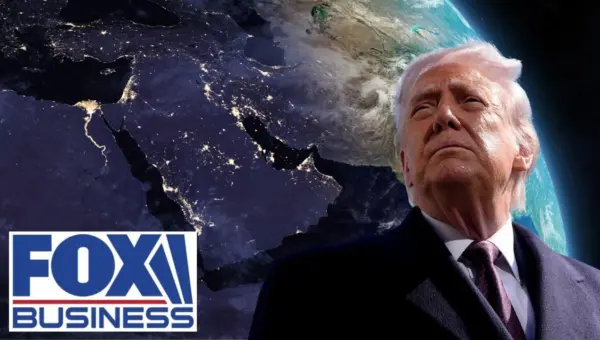
Markets Wobble as Geopolitics Shift Dramatically
Global markets are showing volatility as geopolitical tensions rise, with the Nasdaq nearing correction territory. Concerns over consumer spending, rising costs, and the nation's fiscal health are intensifying. Analysts debate whether current events represent short-term market noise or a fundamental "reinvention of geopolitics" with long-term implications.

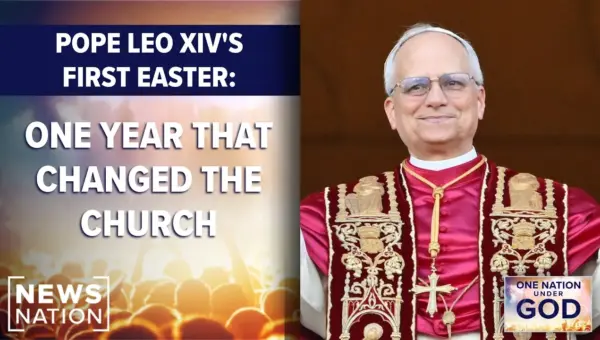
Pope Leo XIV Shifts Vatican’s Global Focus
Pope Leo XIV, the first American pope, brings a unique multicultural background and extensive missionary experience to the Vatican. His election signals a potential shift in the Church's global focus, with an emphasis on peace and contemporary issues like artificial intelligence.