Trump’s Policies Spark Airport Chaos, Safety Fears
Travelers are facing stressful airport experiences due to long lines and unsettling security presences. Critics argue these issues stem from political decisions that make everyday life less safe and affordable for most Americans, impacting everything from travel to economic stability.


Trump’s Policies Spark Airport Chaos, Safety Fears
Travelers are facing stressful airport experiences, with long lines and a heightened sense of unease becoming more common. This stress isn’t just about the usual travel hiccups; it’s linked to broader political decisions that critics say are making everyday life harder for Americans.
The Airport Nightmare
Imagine planning a trip, only to be met with hours-long queues at the airport. This isn’t just a bad dream for many; it’s a real possibility. Videos circulating online show scenes that look almost unbearable, with people waiting for four or five hours. Missing a flight because of these lines can turn a simple trip into a complete disaster, especially when traveling for important reasons like visiting family or attending to a medical emergency.
This stress extends beyond just the wait times. Reports have surfaced about U.S. Immigration and Customs Enforcement (ICE) agents being present at airports like Chicago O’Hare. While their presence might be intended for specific security reasons, their visibility can create an intimidating atmosphere for travelers. Adding to this anxiety was a recent tragic accident at New York’s LaGuardia Airport, where two pilots died after a flight collided with a fire truck. While not directly caused by policy, such events amplify the general feeling of risk and uncertainty when traveling.
Who Bears the Brunt?
While some individuals might have the flexibility to adjust their schedules or work remotely if flights are delayed, many Americans do not. Consider someone flying across the country for a crucial surgery. They now face the dual worry of missing their appointment due to long lines and the unsettling presence of law enforcement agents. For older Americans, who may already find air travel daunting, these added pressures can be particularly overwhelming.
The current situation suggests a breakdown in the smooth functioning of essential services, impacting the daily lives of millions.
Broader Economic and Safety Concerns
The issues at airports are presented as part of a larger pattern of what critics call Donald Trump’s “unforced errors.” These are described as mistakes made not due to external pressure, but from internal political strategies. The argument is that these actions weaken the country’s safety, efficiency, and affordability for most citizens, with exceptions for the very wealthy or those close to the former president.
This perspective extends to other areas. For instance, reliance on healthcare, being a minority, or needing to travel are all seen as more challenging. The cost of essential goods like gas is also cited as rising due to increased oil prices. Furthermore, concerns about new wars and general safety are raised, with the assertion that these problems are a direct result of political decisions, not external threats.
Historical Context: TSA Funding and Political Leverage
A specific example used to illustrate these points involves the funding of the Transportation Security Administration (TSA). Reports suggest that a government shutdown occurred, impacting TSA operations. The argument is that this shutdown was politically motivated, with Republicans allegedly refusing to pass a funding bill because it was seen as more politically advantageous to use the situation as leverage for other legislative goals, such as the “Save America Act.”
This approach, according to critics, sacrifices the smooth operation of government services and the well-being of citizens for political gain. The idea is that instead of ensuring essential services like airport security function properly, they are held hostage in political disputes. This, in turn, creates stress, reduces efficiency, and ultimately makes travel less affordable and more dangerous for the average American.
The Erosion of the Social Contract
The core of the criticism lies in the perceived erosion of a fundamental social contract in America. This contract is understood as the implicit agreement that citizens can go about their daily lives, build businesses, work, and raise families with a reasonable expectation of safety, freedom, and affordability. The current environment, it is argued, is actively stripping these away.
The presence of ICE agents in airports, for example, is questioned. Instead of providing a clear benefit, their role is seen by some as intimidating or simply awkward, a symptom of resources being deployed without a clear purpose. The visual of an ICE agent standing behind a traveler is used to highlight this perceived lack of helpfulness and potential for creating discomfort.
A Call to Action from Airlines?
In a notable development, Delta Airlines announced it would temporarily suspend special services for members of Congress. This decision was reportedly a response to the ongoing government shutdown and its impact on resources, specifically mentioning the TSA’s funding issues. These special services, which include things like dedicated desks and escorts, are designed to make travel easier for lawmakers.
The suspension is seen by some as a positive step. It’s viewed as a way to pressure Congress to resolve funding issues and get their work done. The resources previously used for these VIP services could potentially be reallocated to assist other groups, such as disabled travelers, veterans, or young people, who might benefit more from such specialized attention.
Why This Matters
The issues discussed, from airport lines to political standoffs over funding, are not isolated incidents. They represent a broader concern about how political decisions directly affect the daily lives and sense of security of ordinary Americans. When travel becomes a source of stress and uncertainty, it impacts not only individual plans but also the overall economic activity and public confidence.
The debate highlights a fundamental question: should essential government functions and public services be subject to political gamesmanship? The perspective presented is that when they are, the cost is borne by the public in the form of inconvenience, increased expense, and a diminished sense of safety. The situation serves as a stark reminder that political actions have tangible consequences, shaping the reality of everyday life for millions.
Looking Ahead
The ongoing discussions about airport security, government funding, and the broader economic impact of political decisions suggest that these challenges are likely to continue. The need for clear, effective, and non-disruptive governance is paramount. As travelers navigate future journeys, the hope is for a return to efficiency and a reduction in the stress caused by political uncertainty. The events underscore the importance of informed citizenship and the demand for responsive leadership that prioritizes the well-being and safety of all Americans.
Source: This is stressful. (YouTube)

Related Articles
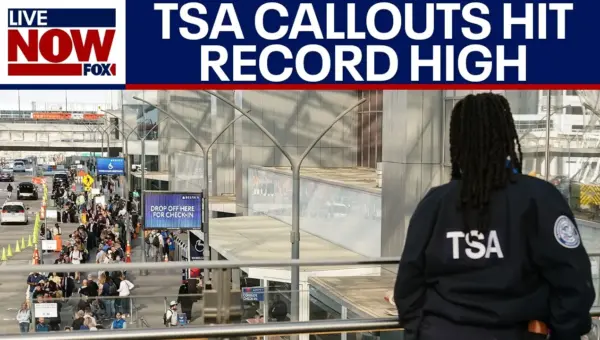
TSA Workers Get Paid After Record Absences
TSA agents will finally receive paychecks after working nearly six weeks without salary, following a directive from President Trump. Record high absences had strained airport operations and caused significant passenger delays. The situation has sparked calls for better protections for essential workers during government shutdowns.

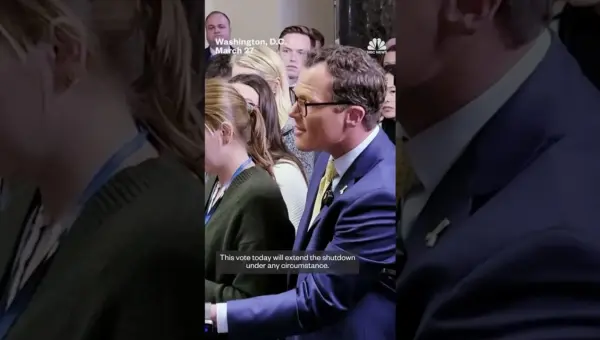
TSA Funding Fight Sparks Airport Chaos, Worker Exodus
TSA officers will soon receive back pay after President Trump signed an emergency order, but the ongoing congressional funding fight continues to cause airport chaos. Long security lines and a significant number of TSA officer resignations highlight the deep divisions over border security measures, leaving travelers frustrated.
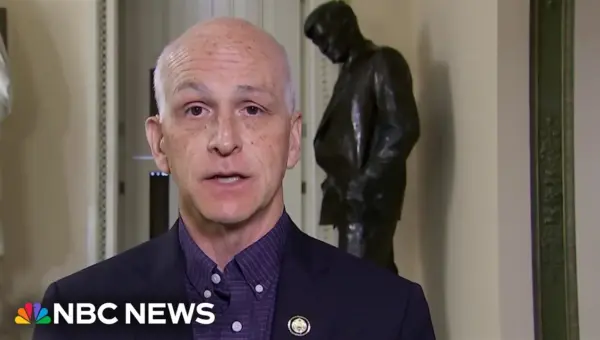
Democrat: Speaker Johnson Holds TSA Hostage for Immigration Reform
House Democrats accuse Speaker Mike Johnson of holding the TSA 'hostage' by refusing to bring a bipartisan Senate funding bill to the floor. Congressman Adam Smith argues this tactic is used to force concessions on immigration reform, putting essential services at risk. A Senate-passed bill could fund the TSA immediately, but Johnson's approach creates a legislative stalemate.