Ed Miliband Challenges Starmer’s Energy Policy
Ed Miliband's firm stance against new North Sea oil and gas licenses has made him a central figure in the UK's energy policy debate. Despite facing criticism from Conservative opponents, Miliband appears to hold significant influence within the Labour Party, bolstered by his experience and clear vision on net zero.

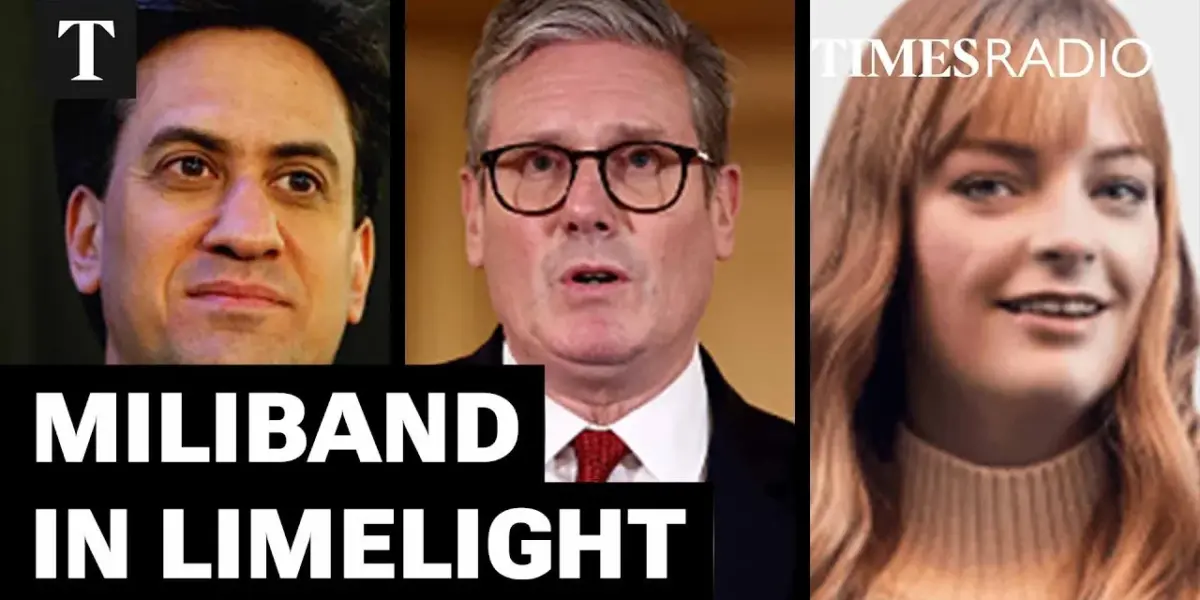
Miliband’s Influence Grows Amidst Energy Debate
Ed Miliband, the UK’s Shadow Energy Secretary, is increasingly seen as a significant figure within the Labour Party, particularly regarding the nation’s energy policy. His strong stance against new oil and gas licenses in the North Sea has placed him at the center of a heated political debate, even drawing criticism from Conservative ministers and prompting parliamentary challenges.
Clash Over North Sea Drilling
The core of the controversy lies in the government’s plan to shift Britain away from fossil fuels towards renewable energy sources. This approach, championed by Labour under Keir Starmer’s leadership, contrasts with calls for increased domestic oil and gas production, especially in light of global energy crises. Conservative figures, including Kemi Badenoch and Claire Coutinho, have accused Miliband of blocking vital energy projects, such as the Jackdaw and Rosebank fields in the North Sea. Coutinho stated that Miliband has held up these projects for two years, suggesting they could be operational by Christmas if approved.
“Anyone who tells you that new licenses in the North Sea will make any difference to prices is not telling you the truth.” – Ed Miliband (reportedly)
Miliband, however, maintains that new licenses will not significantly impact energy prices. His position highlights a fundamental disagreement on the best path forward for the UK’s energy security and transition to green power.
Politicization of Energy Policy
The debate over North Sea drilling has become highly politicized, turning into a broader cultural war. The discussion often frames net zero policies as either a threat to Britain’s economy or its only salvation. This intense polarization, experts suggest, distracts from practical, sensible solutions. The situation is compared to how vaccine debates, particularly in the United States, became tied to personal identity. The call is for energy policy to be treated as essential infrastructure, free from divisive cultural battles, focusing instead on what is practical and effective.
Miliband’s “Rockstar” Status and “Grandee” Influence
Despite the political attacks, Miliband appears to wield considerable influence within the Labour Party. He is described by some as having a “rockstar” status among a certain segment of young, politically engaged individuals, particularly at Labour conferences. More significantly, he has cultivated a reputation as a political “grandee” due to his extensive experience. Unlike many of his colleagues, including Keir Starmer, Miliband has prior ministerial experience, which lends him credibility and a perceived long-term perspective. This status is seen as crucial, akin to how William Hague transformed from a mocked leader to a respected statesman.
A Clear Vision, A Potential Liability
Miliband is noted for having a clear and consistent vision, especially on energy and net zero. This clarity, termed “Milibandism” by some, involves maximizing renewable capacity and opposing new gas projects. While this clear stance offers a strong ideological direction, it also presents a potential challenge for Keir Starmer. Moving Miliband from his current role, which he has held with strong convictions, could create internal party friction. This situation underscores a broader dynamic where Starmer, despite leading a party with a significant mandate, faces challenges in fully commanding his parliamentary majority, partly due to the influence of key figures like Miliband.
Strategic Target for Opponents
The Conservative Party appears to have identified Ed Miliband as a strategic target. By positioning him as the face of opposition to British energy independence, they aim to resonate with voters who prioritize domestic resources. This strategy leverages public sentiment and aims to make Miliband a focal point for criticism, potentially weakening Labour’s broader appeal. His past leadership of the Labour Party, which saw a decline in popularity, is also a factor that opponents may seek to exploit.
The Future of Energy Policy
As the debate intensifies, Ed Miliband’s influence within the Labour Party and his firm stance on energy policy suggest he will remain a central figure. The coming months will likely see continued political maneuvering around North Sea drilling and the UK’s net zero commitments. How Keir Starmer navigates these internal and external pressures, particularly in balancing Miliband’s influence with broader electoral strategy, will be crucial for Labour’s energy platform moving forward.
Source: Ed Miliband Dims Keir Starmer’s Light With ‘Rockstar’ Status | Charlotte Ivers (YouTube)

Related Articles

Labour’s Policies Vindicated, Ed Miliband Leads From Within
Labour's current policies are increasingly seen as vindicated by events, with Ed Miliband's economic and industrial vision guiding the party's direction. Meanwhile, speculation mounts over Sadiq Khan's potential move to a Westminster peerage and cabinet role, possibly as a response to anticipated poor local election results for Labour in London. The geopolitical landscape, particularly the conflict in the Middle East, also continues to shape the government's agenda.


UK’s Starmer Risks US Ties, Courts Iran Threat
British Prime Minister Keir Starmer's stance on Iran is creating a rift with the U.S., raising concerns about national security and appeasing specific groups. The former PM warns of escalating anti-Semitism and calls for stronger conservative leadership, while reflecting on the monarchy and the challenges facing Prince Harry and Meghan Markle.


Ed Miliband’s Quiet Influence: Is He Labour’s Real Power Broker?
Ed Miliband's enduring political influence is being debated, with some suggesting his ideas are shaping the current Labour government. While he has faced past electoral defeats, his long-term vision for the country continues to be a significant factor in British politics, though questions remain about his personal ambition for the top job.