Heat Dome Scorches 14 States, Shatters Records Early
A powerful heat dome is causing record-breaking temperatures across 14 states, pushing summer-like heat into early spring. Meanwhile, Hawaii faces severe flooding due to interconnected weather systems. These extreme events highlight growing concerns about climate change.

Heat Dome Scorches 14 States, Shatters Records Early
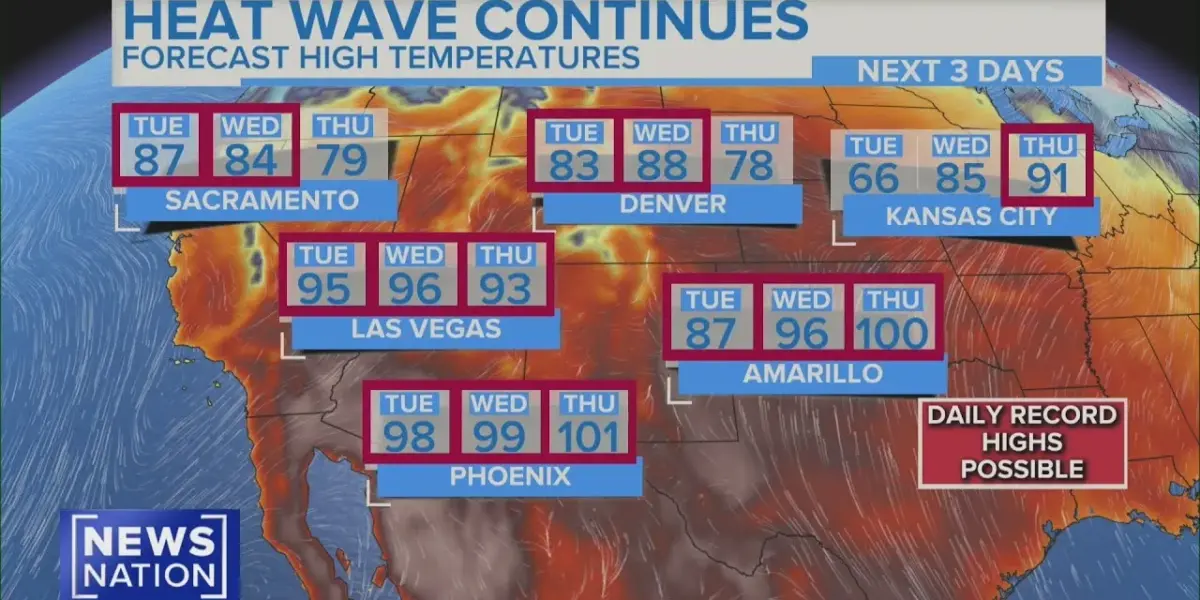
A powerful heat dome is causing record-breaking temperatures across 14 states, stretching from California all the way to the Midwest. This unusual pattern, typically seen in summer, has arrived unusually early in spring. Temperatures are soaring 20 to 30 degrees above normal, shattering daily high records that have stood for decades, some dating back to the 1800s. Over 200 locations are expected to see these records broken in the coming days.
Record Highs Grip the Nation
States like Arizona and California are experiencing highs of 112 degrees Fahrenheit, the hottest temperatures recorded nationwide for March. Nevada reached 106 degrees, while Kansas and New Mexico saw temperatures around 100 degrees. Even states like South Dakota, Missouri, Iowa, and Minnesota are experiencing unusual heat, with highs in the high 90s and 80s. This widespread heat is not just a brief event; forecasters expect it to linger, impacting daily life and potentially straining resources.
A Summer Setup in Early Spring
Meteorologists describe the current weather pattern as a “heat dome.” This is a large area of high pressure that traps warm air, preventing it from rising and cooling. Normally, this kind of setup is associated with summer months. Its appearance in early spring is highly unusual and explains why so many long-standing temperature records are falling. The heat is expected to continue impacting much of the Western United States through the upcoming week, with daily record highs likely from coast to coast.
Hawaii Faces Flooding Amidst Western Heat
While the western mainland bakes, Hawaii is dealing with severe flooding. A flash flood watch is in effect for areas like the Big Island and Maui. These islands have already experienced devastating rainfall, leading to submerged neighborhoods and homes being washed away. Over 2,000 high-water rescues and 5,000 evacuation orders were issued. Parts of Oahu have seen the rain bands move east, but the Big Island and Maui could still receive several more inches of rain. This heavy rain is partly due to storms getting “locked up” and unable to move east because of the same large heat dome affecting the western U.S.
Global Impact and Future Scenarios
The unusual and extreme weather patterns highlight the growing impact of climate change. Such early and intense heat waves can have significant consequences. They can strain power grids as demand for cooling increases. Agricultural output can be affected, leading to potential price increases for food. Water resources may also become stressed. Furthermore, these extreme events can impact public health, especially for vulnerable populations like the elderly and those with pre-existing conditions. The connection between the heat dome in the west and the flooding in Hawaii shows how interconnected weather systems are, and how a single large-scale pattern can create vastly different, yet severe, weather events in different regions.
Historical Context
Record-keeping for weather often goes back to the late 19th century. The fact that current temperatures are surpassing records from that era underscores the extremity of the current situation. Previous heat waves, while impactful, were often seasonal and more predictable. This event’s early arrival and widespread nature suggest a departure from historical weather norms. Scientists have long warned that climate change could lead to more frequent and intense extreme weather events, and this heat wave appears to be a stark example of that prediction.
Economic and Social Considerations
The immediate economic impact includes increased energy consumption for cooling, potentially leading to higher utility bills for residents and businesses. For agriculture, crops that are not yet ready for harvest could be damaged by the extreme heat, affecting farmers’ yields and potentially disrupting supply chains. The social impact includes health risks, especially for outdoor workers and those without adequate cooling. Communities may need to open cooling centers and provide resources for those most at risk. The flooding in Hawaii has already caused significant property damage and displacement, requiring extensive recovery efforts.
Looking Ahead
The current forecast indicates the heat dome will persist for much of the western U.S. this week. While the intensity may lessen slightly in some areas, daily record temperatures are still expected. The situation in Hawaii is also being closely monitored for further flooding risks. The long-term implications of such early and extreme weather events are a subject of ongoing scientific study and international discussion, particularly concerning climate adaptation and mitigation strategies.
Source: Record-breaking heat wave hits 14 states | NewsNation Live (YouTube)

Related Articles


Inslee Slams Trump on Economy Amidst Rising Gas Prices
Former Washington Governor Jay Inslee strongly criticized former President Donald Trump's economic policies and his response to rising gas prices. Inslee slammed Trump as 'out of touch with reality' amidst market turmoil and the closure of the Strait of Hormuz. He also warned of potential legislative efforts to shield the oil and gas industry from climate change accountability.


Satellites May Pollute Earth’s Atmosphere, Harm Ozone
Earth's atmosphere may face a new threat from the growing number of satellites burning up upon re-entry. Scientists warn that the resulting particles could deplete the ozone layer and impact climate, urging for greater research and regulation.


DHS Funding Debate Continues Amid Airport Chaos
The Department of Homeland Security remains unfunded, causing significant disruptions at airports nationwide due to TSA worker shortages. President Trump is considering a Republican proposal that splits DHS funding, excluding ICE initially. Meanwhile, investigators are probing a deadly runway collision at LaGuardia Airport and the US is deploying more troops to the Middle East amid rising tensions with Iran.