Gap Uses AI to Reshape Online Shopping Experience
Gap is implementing AI through its Universal Commerce Protocol, allowing products to be discovered and purchased directly on AI platforms like Google's Gemini. The company is also using AI sizing tools to cut down on costly returns, aiming to enhance the customer experience and stay ahead in the evolving retail landscape.

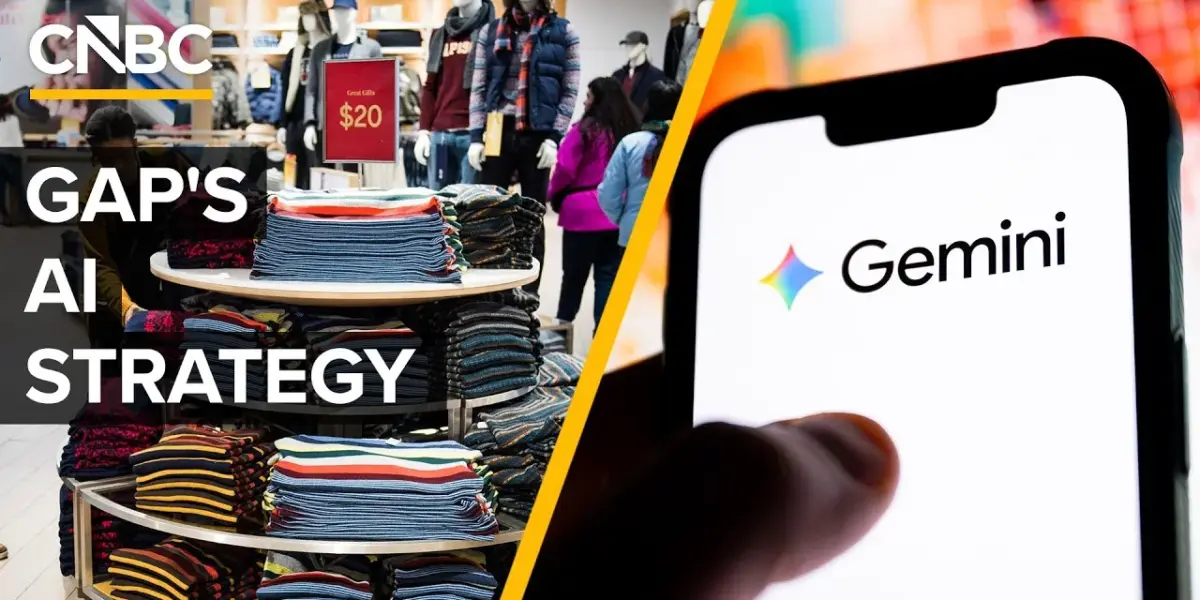
Gap Embraces AI to Revolutionize Online Shopping
The retail world is undergoing a major change as artificial intelligence, or AI, reshapes how people shop. Retailers are quickly trying to find ways to be visible on AI platforms. These platforms are becoming popular for finding new items. Gap is taking a leading role in this shift with its Universal Commerce Protocol.
Connecting Shoppers to Products via AI
Gap’s Universal Commerce Protocol aims to connect shoppers with Gap products directly through AI platforms. Think of Google’s Gemini, a powerful AI. When shoppers ask Gemini for help finding clothes, Gap’s system can show its items. For example, someone planning a vacation might ask Gemini for a specific dress for Key West. If Gap has suitable dresses, they could appear in the search results. This allows Gap to control the customer’s shopping journey, even when it starts on a different platform.
This new system lets customers click on a product, like an Old Navy dress, and see all the details. The entire experience is powered by Gap’s technology. Shoppers can even complete their purchase directly within Gemini. Gap would then handle the shipping. This concept is called “agentic commerce.” The goal is to make buying things online much simpler for everyone.
Making Websites AI-Friendly
Retailers also need to ensure their websites can be easily read by AI bots. This is crucial for AI search engines to find products. If a retailer’s website data is well-organized, the AI can easily find items like that perfect Key West dress for April. This ensures the product shows up when a customer searches for it on an AI platform.
Reducing Returns with AI Sizing Tools
One significant challenge for online shopping is product returns. They frustrate customers who have to go through the hassle of sending items back. Returns are also very expensive for companies. Gap is tackling this problem by using AI-powered sizing tools.
These tools allow customers to enter basic information about their body. This includes things like height, weight, and how they prefer their clothes to fit. Customers do not need to upload photos. The AI uses this data to suggest the best size. This offers a clear benefit for both shoppers and the company, making the online buying process more accurate and less wasteful.
Addressing Customer Concerns About AI
While AI offers many advantages, concerns about data privacy and safety could slow its adoption. Some shoppers worry about sharing personal sizing information with AI systems. They might also be hesitant about entering credit card details on AI platforms. Questions arise about how this data will be used and protected.
There will likely be a period where consumers need to be convinced that these AI shopping systems are secure. Gap’s partnership with Google, a well-known and trusted company, can help build this confidence. As AI technology matures, more will be learned about its long-term impact on commerce.
The Future of Shopping
It’s possible that shoppers might not embrace buying directly through AI platforms. The current efforts might not have lasting success. However, AI is clearly the direction commerce is heading. Retailers like Gap are actively adapting to this AI revolution by integrating these new technologies into their business strategies.
Market Impact
Gap’s strategy highlights a broader trend in retail: the integration of AI into the customer journey. By focusing on AI partnerships and innovative tools, Gap aims to improve customer experience, reduce operational costs (like returns), and maintain direct relationships with shoppers. This move positions Gap to potentially capture a significant share of future AI-driven commerce, ensuring its products are discoverable and purchasable through emerging digital channels.
What Investors Should Know
For investors, Gap’s AI initiatives signal a proactive approach to future market demands. The success of the Universal Commerce Protocol and AI sizing tools could lead to increased sales and reduced return-related expenses. This could positively impact the company’s profitability. Investors should monitor how these AI integrations perform and how consumers react to agentic commerce. The company’s ability to navigate data privacy concerns will also be crucial for long-term success.
Source: How Retailers Like Gap Are Betting Big On AI Partnerships (YouTube)

Related Articles


Finland Tops Happiness Chart, UK Falls to 29th
Finland has once again been named the world's happiest country, while the UK dropped to 29th in the latest World Happiness Survey. The report explores the complex ways happiness is measured and highlights unique Finnish concepts of well-being, alongside concerning trends in youth happiness.


ChatGPT Adds Library Tab, Google Overhauls AI Studio
This week's AI news highlights significant updates from major players. ChatGPT now features a Library tab for easier document management, while Google has overhauled its AI Studio, merging it with an app builder to simplify the creation of multiplayer experiences. We also look at Midjourney V8's performance, user hopes and fears about AI from an Anthropic study, and quick updates from Gamma, OpenAI, and Claude.


Ukraine Gains AI Drone Edge: Russia’s Jamming Weakened
Ukraine is integrating advanced AI drone software from Shield AI, significantly boosting its capabilities against Russian jamming. The Hivemind system enables autonomous flight and swarm tactics, challenging traditional military doctrine and potentially weakening Russia's electronic warfare advantage.