Shutdown Chaos: Travel Grinds to a Halt
Government shutdowns are causing significant travel disruptions, with long lines and frustrated passengers at airports. While some bypass issues with TSA PreCheck, others face hours-long waits. Blame is debated, but the impact on ordinary citizens is clear and concerning.

Shutdown Chaos: Travel Grinds to a Halt
When the government shuts down, everyday life can get messy. This is especially true for travel. Recent disruptions at airports show how quickly things can fall apart when federal agencies lack funding. Travelers are feeling the pinch, facing long lines and frustration. While some with special passes like TSA PreCheck sailed through, others were not so lucky.
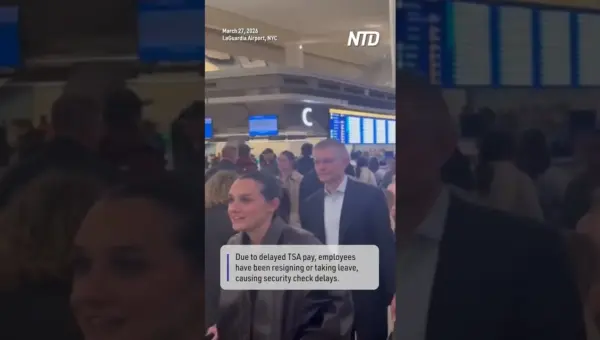
One traveler described a security line stretching from the gate outside, with 80 to 100 people waiting. It took three to four hours just to get through. This kind of delay isn’t just an inconvenience; it causes real stress and anger among passengers. People’s tempers get short, and kind words become rare.
Who’s to Blame?
The question of who is responsible for these shutdowns always sparks debate. Some travelers pointed fingers directly at the Democrats, believing they are not prioritizing national security. They feel that keeping America safe should be the top goal for everyone involved.
Others placed blame more broadly, saying anyone in control who can’t agree is at fault. This view suggests that political parties have their own plans. They might disagree with certain policies or directions for agencies like Homeland Security. However, these disagreements shouldn’t cause widespread problems for the entire country.
“I don’t think the entire nation should be put through delays and things of that nature because of it.”
This sentiment highlights a common frustration: political disputes are impacting ordinary citizens. The question arises whether the intended target of these shutdowns is the American people or a specific administration or political party. Some argue that if leaders have issues with policies or leadership at agencies like ICE, they should address those directly.
The concern is that using essential public services as a bargaining chip punishes citizens. It feels like citizens are caught in the middle of political fights. Instead of hindering services that people rely on, leaders should find ways to resolve their differences without disrupting daily life.
Why This Matters
Government shutdowns directly affect the economy and public trust. When essential services like airport security are understaffed due to lack of funding, it creates visible problems. This can lead to lost productivity, missed appointments, and damaged confidence in government’s ability to function.
For travelers, it means uncertainty and stress. The ease of air travel, something many take for granted, can vanish overnight. This impacts tourism, business travel, and family visits. It shows how interconnected our lives are with the stability of government operations.
Historical Context and Trends
Government shutdowns are not new. They have occurred periodically throughout U.S. history, often tied to budget disputes. These events typically involve disagreements between the President and Congress over spending priorities. Sometimes, specific policy riders attached to funding bills become sticking points.
In the past, shutdowns have led to furloughs for federal workers, closures of national parks, and delays in government services. The impact on travel, particularly at airports, has become more pronounced in recent years. As air travel increases, disruptions at security checkpoints and air traffic control can have amplified consequences.
The trend seems to be that political disagreements are increasingly spilling over into services that directly affect the public. This raises questions about the effectiveness of current political negotiation tactics. It also prompts discussions about how to ensure essential services remain operational regardless of budget impasses.
Future Outlook
The future of travel during potential government shutdowns remains uncertain. It depends heavily on how political leaders approach budget negotiations and resolve disagreements. We may see continued reliance on essential personnel being forced to work without pay, leading to low morale and potential staffing issues.
There’s also a possibility of increased calls for reforms that shield essential services from political brinkmanship. Finding a way to fund critical infrastructure and safety operations automatically, even during a shutdown, could be a focus. For now, travelers may need to brace for continued uncertainty and potential disruptions when political tensions rise.
Source: Travelers Weighing Impact of DHS Shutdown (YouTube)

Related Articles

House Funds DHS Short-Term, Senate Stalemate Looms
The House has passed a short-term bill to fund the Department of Homeland Security, but the Senate is expected to reject it. This temporary measure highlights ongoing political divisions and the challenges in reaching long-term budget agreements in the U.S. Congress.
TSA Staff Cuts Create Airport Chaos for Travelers
Recent TSA agent shortages, fueled by a government shutdown and delayed pay, have caused significant delays and long security lines at major airports. This situation highlights the critical role of TSA staff and the impact of funding issues on essential services.
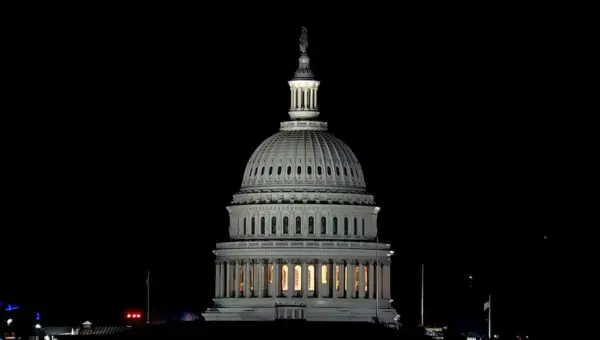
House Funds DHS, But Senate Deal Unlikely Amid Shutdown
The House of Representatives has passed a bill to fund the Department of Homeland Security, but the measure is unlikely to pass the Senate. TSA workers, who have faced missed paychecks and disruptions, may receive some pay soon due to a presidential order, but the broader shutdown continues.