US, Iran Trade Conflicting Signals Amid Mideast Tensions
The United States and Iran are exchanging conflicting signals regarding potential peace talks, with President Trump claiming discussions are underway while Iran denies any negotiations. Meanwhile, escalating tensions have led to strikes and counter-strikes across the Middle East, with nations like Kuwait, Saudi Arabia, and Bahrain reporting intercepted threats.

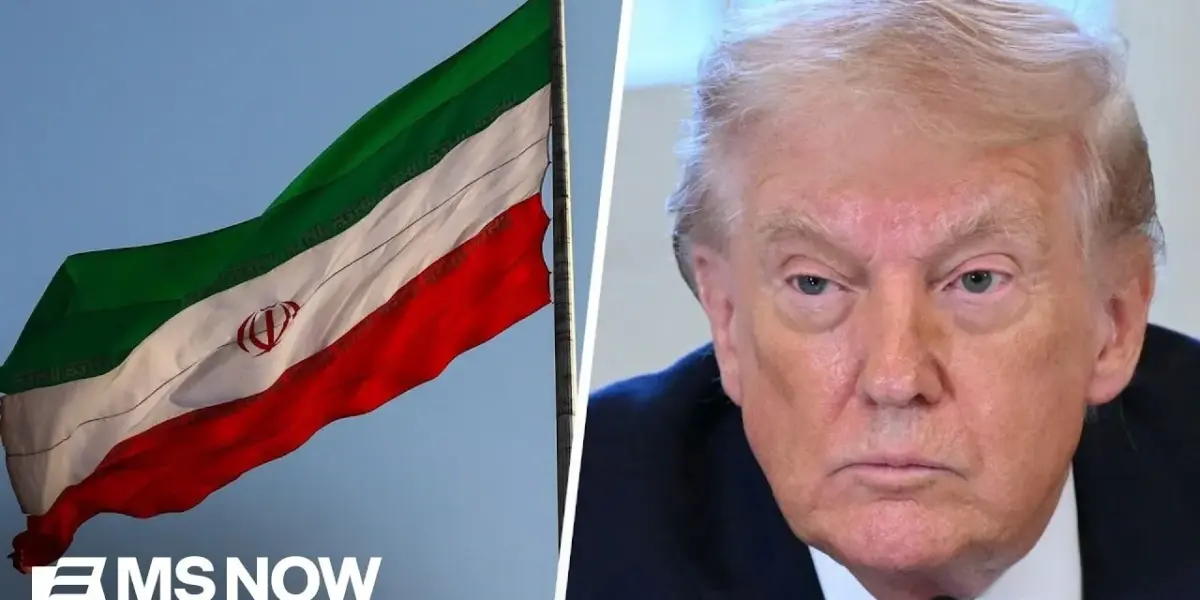
US, Iran Exchange Mixed Signals on Peace Talks Amid Regional Unrest
The Middle East remains a volatile region as the United States and Iran send contradictory messages regarding potential peace talks. President Trump announced that discussions are underway with significant points of agreement. However, Iran has denied any such negotiations, with the speaker of its parliament dismissing the claims as “fake news” intended to manipulate financial and oil markets.
Netanyahu Weighs In, Israel Continues Strikes
Israeli Prime Minister Benjamin Netanyahu commented on the situation, stating that President Trump believes a path exists to use military gains to secure vital interests. Despite this, Netanyahu affirmed that Israel would continue its attacks in Iran and Lebanon. These strikes have already caused visible damage across Tehran.
Iran Strikes Back, Gulf Nations on High Alert
In response, Iran launched retaliatory actions. Smoke was seen billowing over Tel Aviv after an explosion, damaging buildings and setting cars ablaze. Israel’s emergency services reported several injuries as search and rescue teams were deployed. Sirens sounded not only in Israel but also across the Gulf. Kuwait announced it intercepted missiles, Saudi Arabia reported destroying drones, and Bahrain urged residents to seek safety.
Journal Report Reveals Shift in US Stance on Iran Talks
The Wall Street Journal has shed light on the reasons behind President Trump’s sudden change regarding negotiations with Iran. According to the report, this reversal followed White House awareness of high-level talks involving Egypt, Turkey, Saudi Arabia, and Pakistan. These discussions aimed to find a way to end the ongoing conflict. The Journal indicated that Trump’s shift on Monday came after closed-door meetings through Middle Eastern intermediaries. U.S. officials expressed hope that these talks could lead to a settlement.
Presidential Desire for Closure Amidst Fallout
The move also reflected a growing desire by President Trump and some advisors to conclude the war. This push for an end to the conflict is partly driven by the political and economic consequences the U.S. is facing. President Trump initially posted on social media that talks were happening with Iran, which briefly lowered oil prices. However, Iran’s denial quickly sent oil prices back above $100 a barrel.
Analysis: Mixed Messages and Market Influence
Experts suggest President Trump may be attempting to signal that Iran needs to allow its people to rise up, perhaps believing that military actions have weakened the regime. However, the Iranian population remains hesitant due to the regime’s harsh crackdown, which includes severe punishment for dissent. This situation is complicated by the fact that the war began earlier than anticipated by U.S. planners, leaving less room for post-conflict strategy.
“I know from my work in Washington that while the plan for the military strategy for the war was very well planned. There was no plan for the day after, largely because it started earlier than they had expected.”
Some analysts believe President Trump is creating flexibility for himself, hoping for a scenario similar to Venezuela. However, others doubt this is possible with the current Iranian regime, which they describe as ideologically hardline. The terms put forth by Iran for ending the conflict have been described as “absurd.”
Talks Through Intermediaries Continue
Despite Iran’s denials, some sources believe talks are indeed happening, albeit through intermediaries. This indirect communication is seen as a way for both sides to explore potential off-ramps from the conflict. The U.S. continues to propose a 15-point plan that was presented before the conflict began. President Trump is reportedly aware of the impact of soaring oil prices and is seeking space to consider future actions.
Military Buildup and Iranian Stance
Meanwhile, military assets are still being sent to the region, with preparations underway for a potential ground invasion. This option remains a serious consideration for the President. On the other hand, Iran currently has little incentive to concede, seeking financial compensation or a “licensing fee” for any agreement. The recent actions and pauses in communication appear to be partly influenced by market conditions.
Internal Iranian Dynamics and Opposition Challenges
The internal structure of the Iranian regime, with its competing factions of clerics, politicians, and the Revolutionary Guard, creates a complex power dynamic. While the health of the Ayatollah is in question, the Revolutionary Guard appears to be firmly in control and is ruthlessly suppressing any opposition. Reports suggest there is no sufficiently organized opposition movement ready to step in and replace the current leadership.
The U.S. has been advised against issuing ultimatums, such as threatening Iran’s electrical infrastructure, due to fears it could destabilize the country, leading to a breeding ground for terrorism and a refugee crisis. President Trump, reportedly acting out of anger, issued such a threat with a five-day deadline. However, this deadline could be extended if progress is made in talks, with a potential for a direct meeting in Pakistan this weekend. The current deadline is Friday.
Source: United States and Iran give conflicting signals on talks (YouTube)

Related Articles


US Cardinal’s Papal Upset Redraws Vatican Influence
Pope Francis's election defied expectations, including his own, as an American cardinal believed an "American" Pope was unthinkable. The swift conclave surprised many, highlighting the unpredictable nature of papal selections and signaling a potential shift in the Church's global direction.


Mexico Navigates US-China Rivalry
Mexico is caught in a geopolitical tug-of-war between the United States and China. The nation must carefully balance its economic needs and strategic interests with both superpowers. This situation highlights Mexico's growing importance in global affairs.
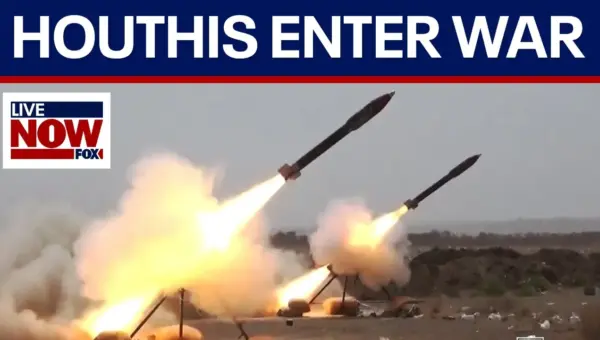
Iran-Backed Houthis Strike Israel, Escalating Regional Tensions
Iran-backed Houthi rebels have launched a missile attack targeting Israel, marking their first such strike since the current Middle East conflict began. The Israeli military confirmed the interception of the projectile. Analysts view this action as part of Iran's broader regional strategy, highlighting the regime's reliance on proxy forces amid internal weaknesses.