Iran’s Demands Block Talks Amid Military Pressure
Iran's demands for conflict guarantees and compensation are hindering potential talks with the U.S. Military pressure continues as the U.S. aims to secure the Strait of Hormuz, a vital global shipping lane.


Iran’s Demands Block Talks Amid Military Pressure
The United States is unlikely to agree to Iran’s demands for guarantees that conflicts will not restart, as well as compensation for past damages. These demands were reported by The Wall Street Journal. Iran is also reportedly asking for the closure of U.S. bases in the Gulf. These conditions make back-door talks seem unrealistic at this moment.
Retired Lt. Gen. Richard Newton, former Assistant Vice Chief of Staff for the U.S. Air Force, expressed skepticism about Iran’s position. He believes the U.S. will not make such concessions. Newton also noted that Iran is in a weak spot due to combined U.S. and Israeli military actions. However, he acknowledged the Biden administration’s efforts to use diplomatic channels, possibly through countries like Turkey or Pakistan.
U.S. Pressure Continues
Despite diplomatic efforts, the U.S. military campaign against Iran’s retaliatory capabilities is progressing. Reports indicate Iran has the ability to attack and has targeted civilian areas in Israel. The U.S. plans to maintain this pressure. Newton stated, “I believe we’re going to keep the foot on the gas here while we try to pursue a diplomatic approach to Iran.” However, his expectations for positive results from these talks remain low.
Iran’s Threats and Capabilities
Iran has suggested that the U.S. and the Trump administration specifically are looking for a way to end the current tensions. Iran has made it clear that if attacked, they have methods of striking back. Newton believes Iran’s threats, such as targeting softer infrastructure like desalination plants, show they are cornered. He pointed out that the joint U.S. and Israeli campaign is targeting the Islamic Revolutionary Guard, leadership, and the infrastructure supporting the regime.
The U.S. is also targeting Iran’s defense industry, which produces ballistic missiles and drones. While this effort will take time, attention is now focused on the Strait of Hormuz. Iran can use its position to threaten global shipping, including oil tankers and liquefied natural gas ships. This creates insecurity for vessels passing through the vital waterway.
Reopening the Strait of Hormuz
U.S. Central Command Commander Brad Cooper has stated the U.S. will regain maritime dominance and reopen the Strait of Hormuz. Allies are expected to support this effort with mine-sweeping capabilities. Newton believes that once the Strait is secured, Iran will feel significant pressure. He suggested this could lead Iran to the settlement table, though he clarified this is not about peace negotiations but rather conditions for Iran to back down from controlling the Strait.
Newton emphasized that Iran’s ability to hold the Strait of Hormuz is limited. He expects relentless U.S. military action and allied support. Reopening and maintaining control of the Strait and the Persian Gulf will be a long-term challenge, potentially taking months or even years.
Global Impact
The situation in the Strait of Hormuz has significant global economic implications. This waterway is crucial for transporting oil and gas worldwide. Any disruption can lead to higher energy prices and affect global trade. The U.S. and its allies are working to ensure freedom of navigation, which is vital for international commerce. Iran’s actions create uncertainty, impacting shipping insurance costs and the willingness of companies to transit the area.
Historical Context
The Strait of Hormuz has been a point of strategic importance for decades. Iran has previously threatened to close or disrupt shipping in the Strait during times of heightened tension with the West. This tactic is seen as a way for Iran to exert leverage when facing military or economic pressure. Past incidents have led to increased naval patrols and international efforts to ensure safe passage.
Economic Leverage
The U.S. military pressure on Iran’s missile and drone capabilities aims to degrade its ability to threaten regional stability and international trade routes. Iran’s potential disruption of the Strait of Hormuz is its primary economic leverage. In response, sanctions and military readiness by the U.S. and its allies aim to counter this leverage and maintain the flow of global energy supplies.
Future Scenarios
One likely scenario is continued military pressure from the U.S. and Israel, coupled with diplomatic efforts through intermediaries. Iran may continue its current stance, hoping to gain concessions. Another possibility is that Iran, facing overwhelming pressure, will eventually agree to de-escalate its actions in the Strait of Hormuz to avoid further military action. A less likely scenario involves a significant shift in U.S. policy that would meet Iran’s demands, given the current geopolitical climate.
Source: US-Iran talks unlikely amid military pressure: Retired Lt. Gen. | Morning in America (YouTube)

Related Articles
Trump’s “Walk Away” Tactic Signals Tougher Stance on China
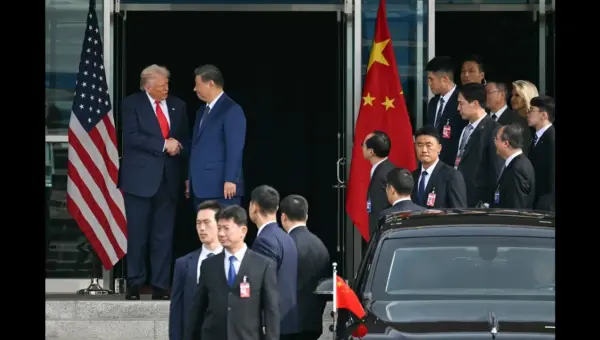
Retired Air Force Brigadier General David Stillwell believes President Trump's strategy of being willing to walk away from negotiations puts pressure on China. This tactic, combined with US global actions and strengthened alliances, signals a more assertive American foreign policy.
China Fights Back: Tariffs Loom Ahead of Trump Visit
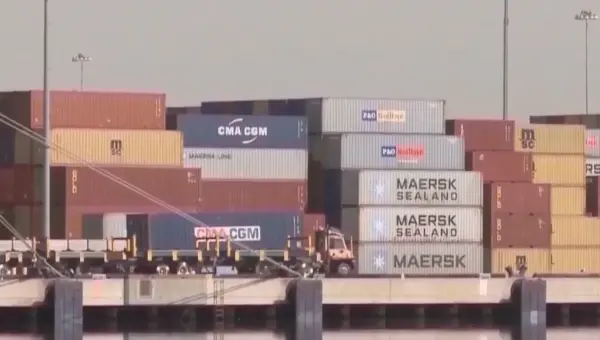
China is retaliating against US trade investigations that could lead to higher tariffs. This escalating trade tension occurs just before a planned visit by President Trump. The dispute involves accusations of unfair practices and impacts global supply chains.


Israelis Forge Resilience Amidst Constant Bomb Shelter Drills
Life in Israel is a blend of resilience and constant vigilance, with many families adapting to frequent bomb shelter drills and even sleeping in makeshift shelters. Despite ongoing missile attacks, Israelis strive to maintain normalcy, though businesses face disruption and emotional fatigue is a growing concern.