Iran War Backfires, Threatens Global Food and Fuel Supplies
Escalating conflict in Iran threatens global food and fuel supplies, with critical shipping lanes blocked and prices soaring. The crisis is straining international alliances and creating opportunities for geopolitical rivals.

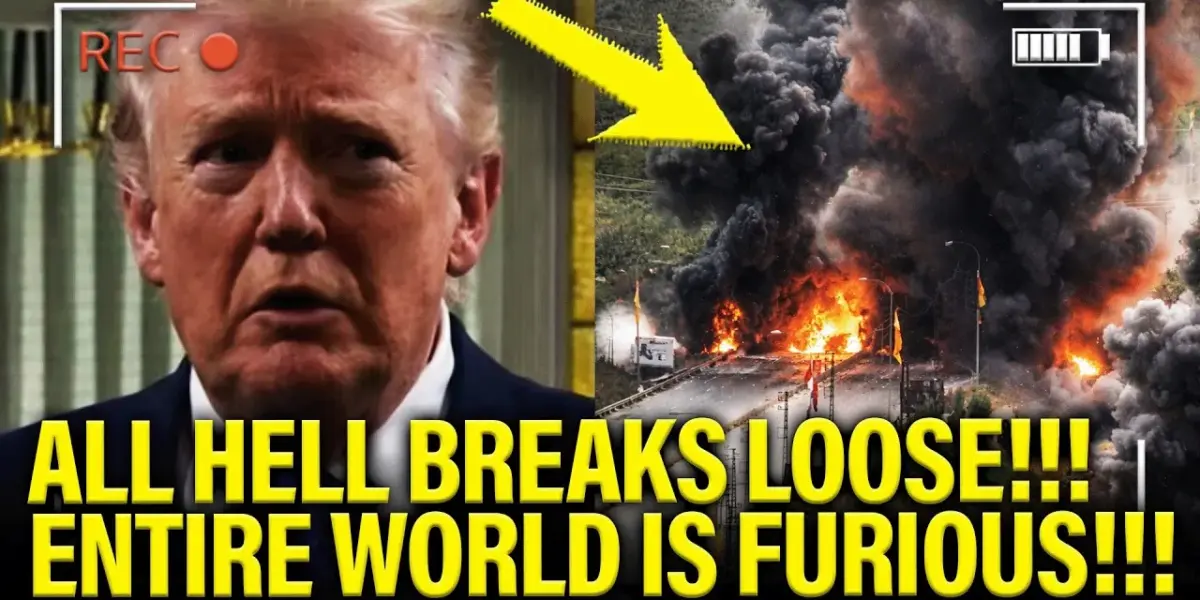
Iran Conflict Escalates, Threatening Global Stability
A sudden escalation in the conflict involving Iran and the United States, initiated by actions attributed to Donald Trump and Israeli Prime Minister Netanyahu, is causing widespread concern. What began with attempted diplomatic talks, which Iran reportedly dismissed, has devolved into military strikes on Iranian energy infrastructure. This has led to retaliation against Kuwait and a tense standoff in the Strait of Hormuz, a critical global shipping lane. The situation is so serious that former Defense Secretary General Mattis warns that even if the U.S. withdrew, Iran could control the Strait and impose taxes on all ships. This lack of clear options is a major red flag for international security experts.
Global Economic Repercussions Ripple Outward
The conflict’s impact extends far beyond the immediate region, threatening global food and energy supplies. Iran has blocked shipments in the Strait of Hormuz, causing crude oil prices to skyrocket. Experts warn that liquefied natural gas (LNG), vital for many countries, is also at risk of running out in the Middle East within days. This disruption affects not only energy markets but also the fertilizer supply, directly impacting farmers worldwide and potentially requiring government bailouts, similar to those seen during previous trade disputes.
Beyond oil and gas, the conflict could disrupt the supply of essential components like helium, which are crucial for medical equipment such as MRI machines. Even if the conflict were to end immediately, the damage to global supply chains for oil and food would be severe and long-lasting. The U.S. is reportedly sending thousands of additional troops, including elite paratrooper units, suggesting a potential ground operation, which would further prolong and intensify the crisis.
China Seeks Advantage Amidst U.S. Struggles
While the U.S. faces growing challenges, China appears to be positioning itself to benefit from the situation. China has reportedly made deals with Iran, allowing its ships to pass through the Strait of Hormuz and receive oil. This raises questions about whether China is also providing Iran with components for drones and missiles, further complicating regional dynamics.
Tourism and Business Hubs Face Uncertainty
The ongoing conflict is casting a dark shadow over the once-thriving economic centers of the Middle East. Major airlines are preparing for prolonged disruptions, grounding aircraft in anticipation of months of instability. The tourism industries in places like Dubai and Abu Dhabi, which took decades to build, are now facing an uncertain future. The risk of being drawn into the conflict makes these locations less appealing for visitors and businesses, potentially undoing years of development.
Shifting Alliances and International Relations Under Strain
Amidst the escalating conflict, Donald Trump’s foreign policy decisions are drawing criticism for straining relationships with key allies. While the U.S. is entangled in the Middle East crisis, Trump has been focusing on domestic political events and engaging with leaders who have strained relationships with NATO and democratic values. This includes supporting Viktor Orban in Hungary and inviting the leader of Belarus to the White House, while simultaneously threatening to withdraw favorable trade terms for European LNG imports.
This approach is seen by critics as undermining U.S. alliances at a time when international cooperation is most needed. Furthermore, there are reports of Russia providing intelligence to Iran, potentially aiding in attacks against U.S. assets. This alleged collaboration between Russia and Iran, while the U.S. faces escalating conflict, raises further alarms about global security.
Iran’s Economic Gains Amidst Conflict
Ironically, the conflict and the lifting of some sanctions appear to have benefited Iran economically. Reports suggest Iran’s oil production and sales have increased significantly since the war began, with higher prices and fewer discounts. This has led to a situation where Iran, emboldened by its economic gains and de facto sanctions relief, is dictating terms for any potential resolution, demanding reparations, security guarantees, and the withdrawal of U.S. bases from the region. This stands in stark contrast to previous diplomatic efforts where Iran was reportedly willing to negotiate its uranium enrichment program.
Ukraine’s Role and Russia-Iran Cooperation
The conflict in the Middle East is also intertwined with the ongoing war in Ukraine. Ukraine’s intelligence reports indicate that Russia continues to provide intelligence to Iran, which is then used to target American assets. Ukraine, which has developed expertise in intercepting Iranian drones, has been assisting allies in this regard. However, the political landscape is complex, with figures like Trump and Netanyahu endorsing Viktor Orban, who is seen as aligned with Russia and opposed to Ukrainian interests.
Meanwhile, Ukraine itself is facing continued attacks, with reports of Russian forces targeting civilian areas. In response, Ukraine has conducted strikes on Russian oil infrastructure, such as the Primorsk port, a major oil export terminal. This highlights the interconnectedness of these global conflicts and the ripple effects of geopolitical instability.
Diminishing U.S. Objectives and Escalating Threats
U.S. officials are reportedly revising the goals of the intervention in Iran, moving away from regime change and nuclear program containment towards simply securing the Strait of Hormuz. This shift in objectives reflects the complex and challenging nature of the conflict. Meanwhile, other global actors, like North Korea, are continuing to advance their military capabilities, with Kim Jong-un showcasing ballistic missiles and asserting the irreversibility of the country’s nuclear status.
Turkey has reportedly proposed talks between U.S. and Iranian officials, with Turkey acting as an intermediary. However, Iran has shown no interest in such discussions, indicating a hardening of its position. The situation remains highly volatile, with rapid escalations and unpredictable consequences.
Why This Matters
The escalating conflict in Iran and its surrounding region has profound implications for global stability. The disruption of critical energy and food supplies threatens economic hardship worldwide, impacting everything from fuel prices to the availability of basic necessities. The strain on international alliances and the alleged cooperation between Russia and Iran raise serious questions about the future of global security and the effectiveness of current diplomatic and military strategies. The situation underscores the interconnectedness of geopolitical events and the potential for regional conflicts to have far-reaching, devastating consequences.
Implications and Future Outlook
The current trajectory suggests a prolonged period of instability in the Middle East, with significant economic and humanitarian costs. The potential for wider conflict remains high, especially if diplomatic channels continue to fail. The increased oil prices and potential shortages could lead to social unrest in vulnerable countries. The geopolitical realignments, with China seeking to exploit the situation and Russia allegedly supporting Iran, point to a more fractured and unpredictable international order.
Historical Context
The current tensions are rooted in decades of complex relationships between Iran, the U.S., and regional powers. Past U.S. policies, including the withdrawal from the Iran nuclear deal, have been cited as factors contributing to the current crisis. The historical pattern of conflict and negotiation in the Middle East highlights the delicate balance required to maintain peace and stability in the region.
Source: All HELL BREAKS LOOSE as Trump BLINKS and WAR BACKFIRES!! (YouTube)

Related Articles

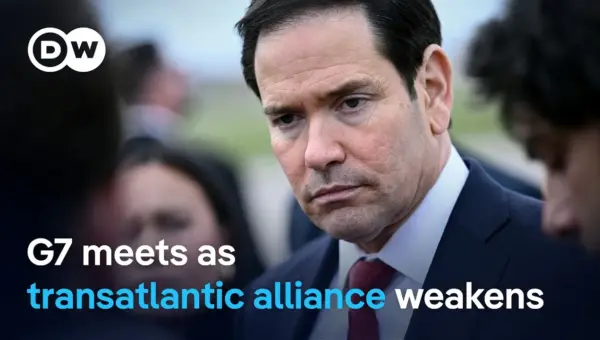
G7 Allies Clash Over Iran War Strategy, Urge Focus on Russia
G7 foreign ministers met in Paris, revealing deep divisions over the U.S. war with Iran. European allies urged the U.S. to pressure Russia, linking its actions to the conflict and fearing support for Ukraine will wane.
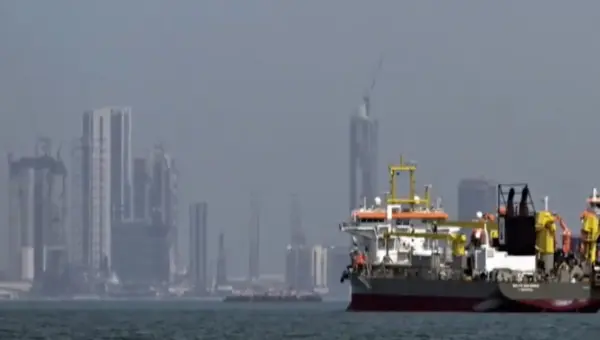
Iran Blocks China Ships, Exposing Beijing’s Weak Grip
Iran's recent decision to block Chinese ships at the Strait of Hormuz is exposing the limits of Beijing's influence in the Middle East. This action is causing delays and cancellations for Chinese manufacturers, turning a perceived geopolitical win into an economic strain.
Trump’s “Walk Away” Tactic Signals Tougher Stance on China
Retired Air Force Brigadier General David Stillwell believes President Trump's strategy of being willing to walk away from negotiations puts pressure on China. This tactic, combined with US global actions and strengthened alliances, signals a more assertive American foreign policy.