LaGuardia Crash: Air Traffic Controller Under Scrutiny
An Air Canada Express flight collided with a rescue vehicle at LaGuardia Airport, killing two. The investigation is scrutinizing the air traffic controller's actions, who may have issued conflicting clearances. This incident highlights critical runway safety protocols.

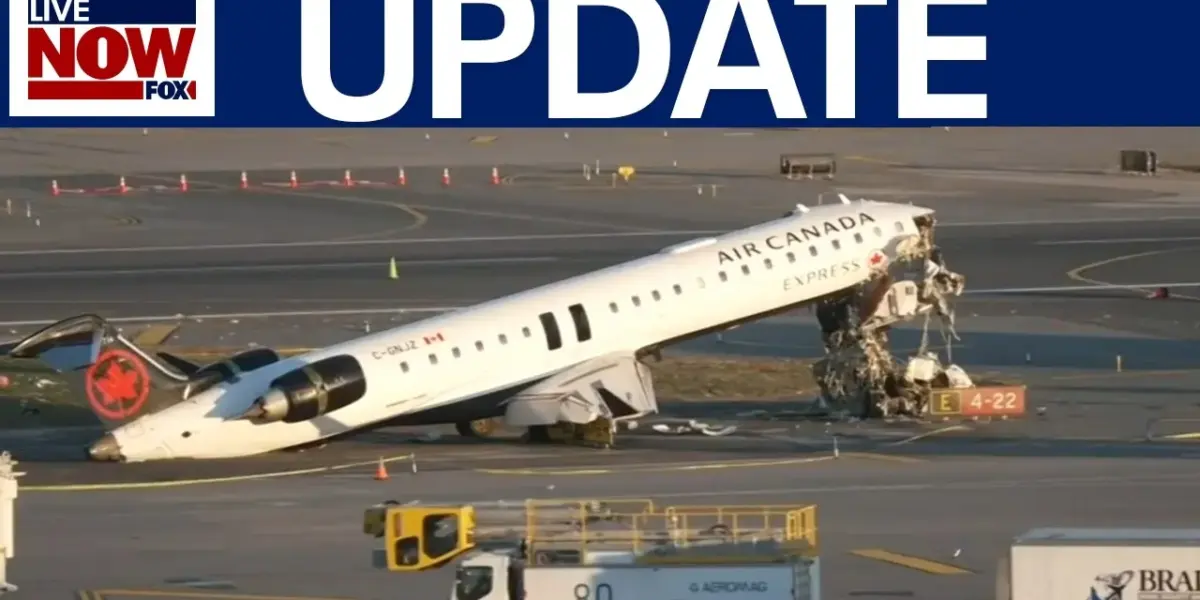
LaGuardia Collision: Air Traffic Controller Questioned
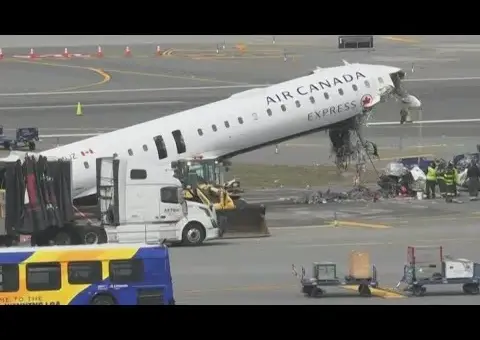
A harrowing incident at New York’s LaGuardia Airport has put air traffic control procedures under a microscope. An Air Canada Express flight collided with a rescue vehicle shortly after landing, tragically resulting in the deaths of the pilot and co-pilot of the rescue vehicle. The crash occurred on Friday, January 5th, 2024, as the flight was taxiing following its arrival. The National Transportation Safety Board (NTSB) has launched a full investigation, with initial reports focusing on the actions of the air traffic controller on duty at the time.
What Happened at LaGuardia?
The Air Canada Express flight had just landed at LaGuardia when the collision took place. While the aircraft and its passengers were largely unharmed, the rescue vehicle was struck, leading to the fatalities. According to statements, 72 passengers and 4 crew members were on board the flight. Of these, 40 individuals were transported to hospitals for evaluation, though their conditions were not life-threatening. Two people on the fire vehicle were also taken to the hospital.
Focus on Air Traffic Control
Early in the investigation, attention has turned to the air traffic controller who managed the airspace at the time of the incident. Reports suggest the controller may have cleared the Air Canada flight to land while simultaneously authorizing the rescue vehicle to cross an active runway. This potential double-clearance could be a critical factor in the crash. “80% of Aviation mishaps are human error, and that’s just immediately what’s popping up,” stated Matthew Wiz Buckley, a former American Airlines and FedEx pilot, and founder of the New Fallen Heroes Foundation.
“The controller was dealing with one emergency and cleared them across the runway. And uh, there’s the result.”
Matthew Wiz Buckley, Former Pilot
Understanding the Sequence of Events
Buckley explained the complex situation air traffic controllers face. In this instance, a United flight on another runway had reportedly aborted takeoff at high speed. This action often requires the response of crash trucks to monitor the aircraft’s brakes, which can overheat. “So that’s why the crash trucks respond. They want to keep an eye on the brakes because if you abort your takeoff, you’re usually full of fuel and you’re going at a high speed,” Buckley noted. It appears the controller may have been managing this situation while also handling the landing Air Canada flight, leading to what Buckley described as “potential task saturation.”
The Danger of Runway Incursions
The incident highlights the critical danger of runway incursions – any unauthorized vehicle or person on a runway. Buckley drew a simple analogy: “You look both ways before you cross the street. Why before you enter an active runway, do you look both ways? Because of this mishap.” He emphasized that aviation accidents are often a chain of events, and removing one link can prevent a disaster. The investigation will examine the actions of the rescue vehicle crew as well, including whether they saw the approaching aircraft.
The Size and Momentum of Rescue Vehicles
The physical challenge of avoiding a collision was also discussed. “These things are 35 to 45 tons. That’s about 70 to 90,000 pounds,” Buckley said, referring to the rescue vehicles. “So trying to get one of those to turn on a dime just isn’t going to happen.” The video footage, though difficult to watch, appeared to show the rescue vehicle attempting to maneuver away from the oncoming plane. The pilots of the Air Canada flight were likely applying maximum braking in a desperate attempt to stop the aircraft.
Investigation Process and Future Steps
The NTSB and FAA are leading the investigation. While a final report can take a year or more, a preliminary report is expected within 30 days. This initial report aims to provide a quick overview of the findings to inform the flying public and the aviation industry. Investigators will meticulously review data from the cockpit voice recorder and flight data recorder, interview the air traffic controller in detail, and examine the procedures followed by the crash rescue teams. The focus will be on understanding how the conflicting clearances occurred and what systemic changes might be needed to prevent future tragedies.
Broader Implications for Aviation Safety
This incident serves as a stark reminder of the constant vigilance required in aviation. Even with advanced technology and rigorous training, human error remains a factor. The investigation’s findings will likely lead to a re-evaluation of communication protocols, clearance procedures, and training for both air traffic controllers and ground personnel. The goal is to ensure that such a devastating loss of life is not repeated.
What’s Next?
The aviation community will be closely watching the NTSB’s findings in the coming weeks and months. The preliminary report will offer the first official insights into the sequence of events. Further details will emerge as the investigation delves deeper into the actions of all parties involved, potentially leading to new safety recommendations for airports nationwide. The focus remains on learning from this tragedy to enhance the safety of air travel for everyone.
Source: LaGuardia Airport Collision: NTSB questioning air traffic controller on duty (YouTube)

Related Articles
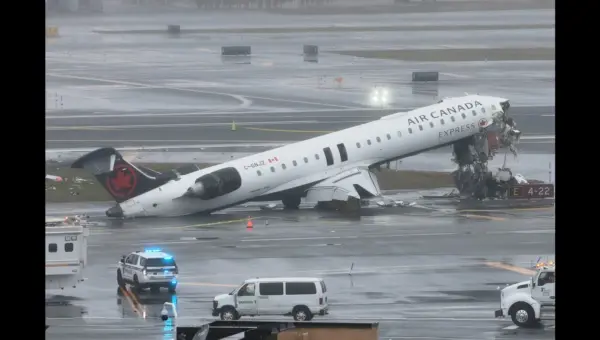
LaGuardia Runway Reopens After Deadly Crash, Safety Lapses Exposed
LaGuardia Airport's main runway has reopened after a fatal crash involving an Air Canada Express jet and a fire truck. The incident, which killed two pilots, exposed critical failures in airport safety systems, including ground surveillance and transponder use.

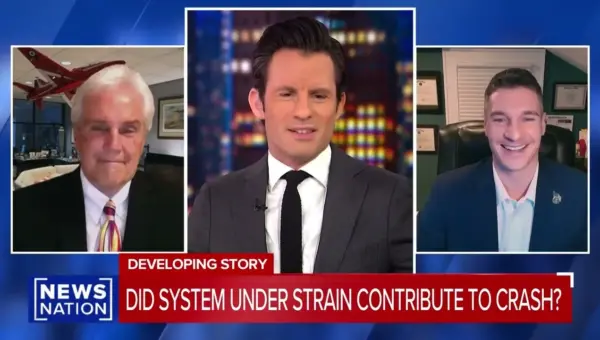
Iran War Talks Ignite, Airport Chaos Deepens
President Trump confirms peace talks with Iran are underway, while US airports face ongoing chaos due to the DHS shutdown. Investigations into a fatal LaGuardia crash reveal systemic safety issues, with experts citing controller fatigue and staffing shortages. Meanwhile, the search for a missing elderly woman continues in harsh desert terrain, highlighting diverse challenges facing the nation.
Air Safety Fears Soar After Deadly Crash
A fatal crash at LaGuardia Airport has triggered a national review of air safety, revealing a pattern of close calls and communication issues at U.S. airports. Investigators are examining technology and staffing, as calls grow for urgent safety upgrades.