Oil Prices Surge as Iran, US Trade Conflicting War Talk Claims
Conflicting reports on U.S.-Iran negotiations have sent oil prices and market volatility soaring. Damage to energy infrastructure threatens long-term supply and could reignite global inflation. Investors face mounting uncertainty as the conflict shows no clear signs of resolution.


Oil Prices Surge Amid Conflicting Narratives on Iran Conflict Resolution
Global markets experienced significant turbulence over the past 48 hours as conflicting reports emerged regarding negotiations between the United States and Iran concerning the ongoing conflict. These events have sent shockwaves through oil and equity markets, dramatically shifting global sentiment and raising concerns about future energy supplies and inflation.
Ultimatum and Escalation Fears
The situation intensified on Saturday when former President Donald Trump issued a 48-hour ultimatum to Iran, demanding an end to attacks on shipping in the Strait of Hormuz. Trump warned that the U.S. was prepared to take direct military action, including targeting Iranian power stations, if Iran did not comply. The Strait of Hormuz is a critical global waterway, with approximately 20% of the world’s oil and gas passing through it daily. Any disruption here has immediate and substantial effects on global energy prices, a reality seen over the previous three weeks as Iran’s attacks on ships near its coast disrupted traffic.
Nervous markets braced for potential military action. The fear was that if the U.S. followed through with attacks on Iranian power stations, Iran would retaliate by targeting energy facilities in neighboring countries. Such an escalation would have severely impacted global supplies, likely sending prices soaring.
A Brief Respite: Talks Announced
However, as the deadline passed, instead of military action, former President Trump announced on social media that the U.S. and Iran had held “very good and productive conversations” aimed at a “complete and total resolution of hostilities.” Following this announcement, planned attacks were postponed for five days, offering a temporary reprieve.
The financial markets reacted positively and immediately to this news. Oil prices, which had been trading above $100 per barrel, dropped below this key level for the first time since the conflict began. Equity markets rallied, and overall market sentiment improved significantly. Investors interpreted this as a potential de-escalation, a possible path toward peace, and a reduction in immediate global energy supply risks.
Denials Emerge, Volatility Returns
This optimism, however, proved short-lived. Shortly after Trump’s social media post, Iran’s parliamentary speaker issued a contradictory statement on X (formerly Twitter). He asserted that no negotiations had taken place with the United States, dismissing the claims as “fake news.” He suggested the narrative was created to manipulate financial markets and help the U.S. and Israel escape a difficult situation.
This stark divergence in narratives created significant uncertainty. The U.S. claimed productive talks were occurring, while Iran denied any discussions. Financial markets thrive on clarity, and the current confusion about behind-the-scenes events has led to a rapid return of volatility.
Hostilities Continue, Markets React
Following Iran’s denial, hostilities have persisted. Reports indicate further missile attacks, and Israel has launched additional strikes on regional targets. Despite claims of negotiations, the reality on the ground suggests the war continues unabated. Consequently, oil prices have climbed back above $100 per barrel, and equity markets have begun to fall again, erasing the brief period of optimism.
This situation highlights the market’s strong desire for positive news regarding the conflict’s end. However, it also underscores extreme sensitivity to negative developments. The result is a constant swing between optimism and fear, creating market instability.
Long-Term Damage to Energy Infrastructure
Beyond the immediate market swings, significant damage has already been inflicted on critical energy infrastructure. According to the International Energy Agency, over 40 major energy assets across nine Middle Eastern countries have been severely damaged. This includes oil fields, refineries, and pipelines, all vital for global energy supplies.
Crucially, even if the conflict were to end soon, this damage will not disappear. Repairing and restarting these facilities could take months, or even years. For instance, Qatar has reported that 17% of its liquefied natural gas (LNG) facilities will be unavailable for the next five years. This represents a substantial, long-term impact on global supply.
Inflationary Pressures and Economic Growth Concerns
The constrained energy supply, coupled with stable demand, is expected to keep energy prices elevated for an extended period. Higher oil and gas prices directly contribute to inflation by increasing costs for transportation, manufacturing, and heating. This could trigger a new wave of inflation globally, precisely when many economies were beginning to control existing price increases.
This scenario presents a difficult challenge for central banks. If inflation resurges, they may be forced to maintain higher interest rates for longer or even implement further rate hikes. Such actions could negatively impact economic growth, potentially stalling recovery efforts.
Further Escalation Risks
Adding to the complexity, reports indicate that U.S. and Israeli attacks have damaged a gas pressure regulation plant in Iran. This development escalates the targeting of energy infrastructure and raises the risk of retaliation. If Iran responds by targeting energy facilities in other regional countries, the situation could quickly escalate, leading to further supply disruptions, shortages, and significant price spikes. Such an event could severely pressure the global economy, as energy costs underpin the prices of nearly all goods and services.
Shifting Market Dynamics and Supply Tightness
In a related development, Iran is reportedly offering oil to India at a premium. Historically, Iranian oil sold at a discount due to sanctions. This shift suggests tightening supply conditions and buyers’ willingness to pay more for secure supplies, reinforcing the notion that the market is under pressure. Furthermore, while U.S. sanctions aimed to limit Iran’s revenue, lifting these restrictions has allowed Iran to increase sales volume and command higher prices, boosting its earnings.
Outlook: Uncertainty and Persistent Risks
In summary, the situation is characterized by an ongoing war despite claims of U.S.-led negotiations, significant damage to energy infrastructure, volatile and rising oil prices, and increasing inflation risks. The global economic outlook has become more uncertain.
The core issue remains the lack of a clear resolution path. When major parties cannot agree on whether talks are even happening, reaching a meaningful peace agreement becomes highly challenging. This conflict is not merely a regional issue; it poses a significant global economic problem that requires close monitoring. Should the conflict continue to escalate, the risks to the global economy, particularly in 2026, will increase.
Source: Fake Talks (YouTube)

Related Articles

Stocks Ignore War Risks, Focus on “Taco Moments”
Stock markets appear to be overlooking the severe supply chain risks stemming from the Iran conflict, focusing instead on potential diplomatic de-escalations. While the S&P 500 shows resilience, bond and commodity markets signal deep concern over disruptions to critical resources like LNG, helium, and fertilizers.
Iran Missile Strikes Injure US Troops, Raise War Concerns
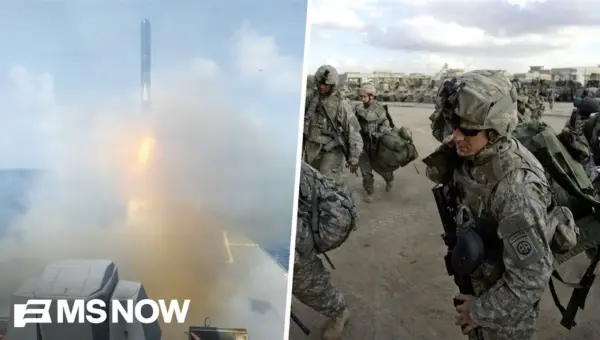
Iranian missile strikes have injured U.S. service members, escalating tensions as the conflict nears one month. The attacks are raising concerns about the effectiveness of U.S. military strategy and the depletion of crucial missile stockpiles. Global oil prices have surged, impacting economies worldwide.


Iran War Claims Ring Hollow as US Troops Injured in New Attack
Days after Donald Trump claimed "we've won" the war with Iran, a new attack injured approximately a dozen U.S. troops and damaged aircraft. This incident contradicts Trump's assertions of victory and raises serious questions about the strategy and reality of the ongoing conflict.