ICE Agents in Airports Spark Political Firestorm
The deployment of ICE agents in airports has ignited a political firestorm, with Republicans expressing concerns about the negative impact on their midterm election prospects. Simultaneously, a controversial "Save America Act" proposing strict voter ID requirements is drawing criticism for potentially disenfranchising voters.

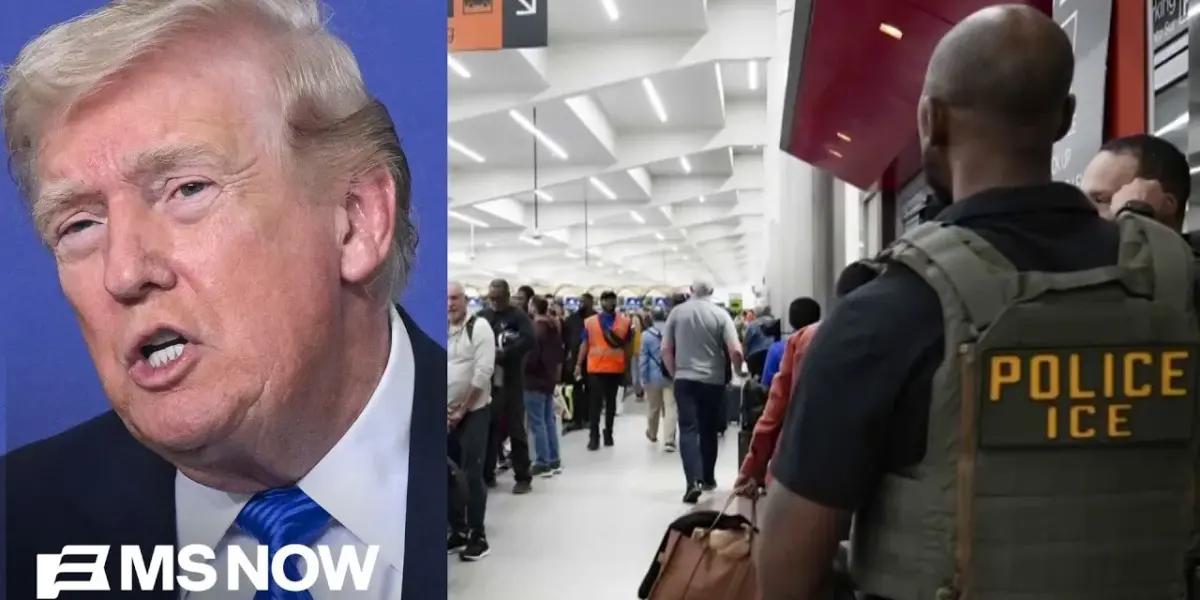
Airport Chaos and Political Divide Over ICE Presence
In a move sparking significant controversy, the Trump administration has deployed U.S. Immigration and Customs Enforcement (ICE) agents to airports across the country. This decision has led to increased chaos, longer lines, and a heated political debate just as Congress was considering funding for the Department of Homeland Security before a two-week recess. Republicans, including Senator Ron Johnson and Senator John Thune, have publicly expressed opposition to this strategy, highlighting concerns that the presence of ICE agents at airports is a political misstep that could harm their party in upcoming midterm elections.
The “Save America Act” and Voter ID Concerns
Adding to the political tension, President Trump has linked the Department of Homeland Security funding to the “Save America Act.” This proposed legislation has raised alarms among Democrats and voting rights advocates. Critics argue that the act’s requirements, such as needing an original birth certificate or a passport to be verified, are overly burdensome and could disproportionately disenfranchise voters, particularly those who may not have easy access to such documents. “This thing is crazy and it’s never going to pass,” one commentator stated, referring to the proposed voter ID measures. The act is seen by many as a deliberate attempt to suppress voter turnout rather than a simple voter identification bill.
Republican Doubts and Political Fallout
Many Republicans privately acknowledge that the strategy of placing ICE agents in airports is politically damaging. Reports indicate that Republican senators have had tense conversations with the President, attempting to negotiate a deal for homeland security funding without the controversial immigration provisions. Senator John Thune reportedly had a heated discussion with President Trump, who allegedly became angry when Thune conveyed that a deal was not going to happen under the current terms. “Republicans know how horrible this is for Republicans who are running this fall,” one observer noted, suggesting that the visual of chaos at airports and the controversial ICE presence is a significant political liability.
Airport Operations Hampered by Unpaid TSA Agents
Adding to the airport turmoil, Transportation Security Administration (TSA) agents have been working without pay due to the ongoing government shutdown and funding disputes. This has exacerbated delays and cancellations, with major runways like the one at LaGuardia Airport remaining closed after a recent deadly crash. The situation at airports is described as a “mess,” with long lines becoming a common sight. The presence of ICE agents, some seen without masks, has further confused and frustrated travelers. “I still don’t know what they’re doing there. Like, what’s the function?” one person questioned, expressing bewilderment about the role of ICE agents in airport security.
Broader Implications: A Metaphor for Government Dysfunction?
The chaos at airports and the political deadlock over funding are being viewed by some as a metaphor for broader governmental dysfunction. The situation highlights deep divisions between the Trump administration’s priorities and those of many in Congress, including members of his own party. The decision to deploy ICE agents in airports, combined with the contentious voter ID proposals, suggests a strategy that may alienate key voter demographics. As spring break travel intensifies and the Easter recess approaches, the pressure mounts for lawmakers to find a resolution, though the President’s current stance indicates a willingness to prioritize his agenda even at a potential political cost.
What’s Next?
With the government funding deadline looming and travel disruptions continuing, attention will be focused on whether a bipartisan agreement can be reached. The political fallout from the ICE deployments and the debate over voter ID laws will likely remain a significant talking point leading up to the midterm elections. The administration’s next move regarding homeland security funding and immigration policy will be closely watched, as will the response from Congressional Republicans who are increasingly expressing their concerns about the political ramifications of the current strategy.
Source: Joe: Republicans know how horrible ICE in airports is for them in the midterms (YouTube)

Related Articles
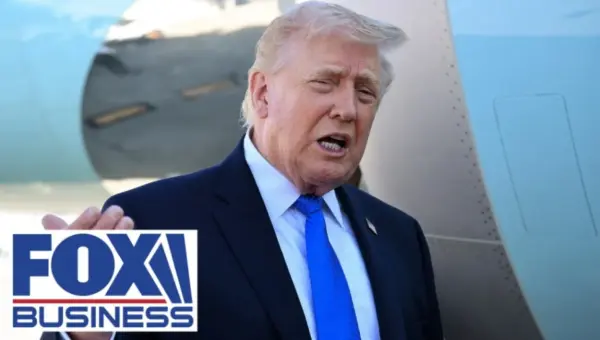
House Rejects Senate Bill, Citing Border Security Funding Gaps
House Republicans are rejecting a Senate funding bill, arguing it lacks essential appropriations for ICE and CBP, threatening anti-trafficking efforts and border security. They plan to pass a short-term measure to force renewed negotiations.

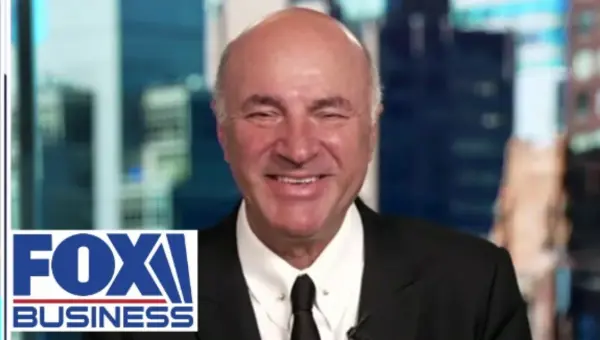
Voter ID: Common Sense or Suppression?
A growing debate surrounds voter ID laws, with proponents calling them a common-sense measure against fraud and opponents fearing voter suppression. Many countries and U.S. states already require ID to vote.
Trump’s Iran War Plans Criticized Amid Border Funding Standoff
Lawmakers and analysts are criticizing the Trump administration's handling of the Iran conflict and its approach to border funding, arguing that a lack of clear planning and a focus on political battles are making the U.S. less safe. Concerns are particularly high regarding the FBI's priorities and the potential impact of these issues on national security.