Iran Strikes Israel Amid Secret US Diplomacy
Iran launched missile attacks on Tel Aviv while reports suggest secret US talks with Iranian officials. This highlights a complex dynamic of public denial and potential private diplomacy, impacting regional stability and global markets.

Iran Strikes Israel Amid Secret US Diplomacy
Overnight, a wave of attacks swept across the Middle East, leaving damage in Tel Aviv after an Iranian warhead hit homes and cars. This happened as reports surfaced of the United States negotiating with Iran’s parliament speaker and president. President Trump hinted that a deal could be reached to end the current conflict.
Tel Aviv Under Attack
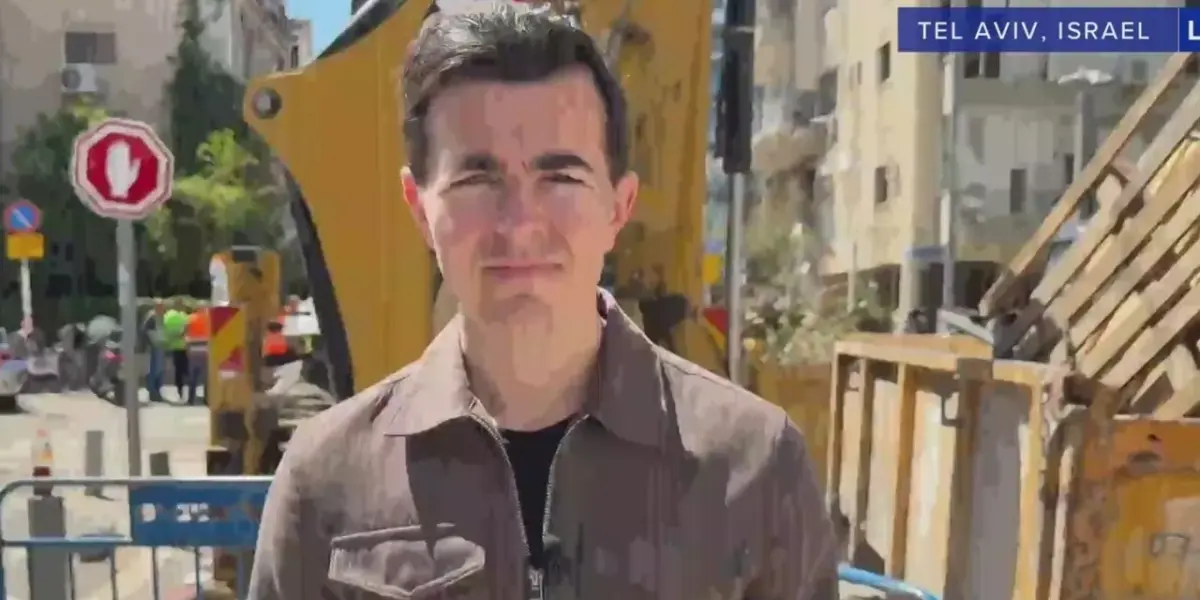
Robert Sherman, international correspondent for News Nation, reported live from Tel Aviv. He described a recent quiet period in central Israel that was shattered by multiple alerts. Iranian ballistic missiles were heading their way. One missile that got through struck a residential neighborhood, damaging balconies and punching holes in buildings. At least six people were injured by shrapnel. Initial assessments suggest a cluster warhead was used, scattering munitions widely. This type of weapon has become Iran’s choice, as seen by the widespread damage to an entire city block.
Geopolitical Hopes and Denials
On a geopolitical level, officials hoped this moment could lead to breakthroughs in negotiations. The President announced a five-day pause on attacks against Iranian power plants. Prime Minister Benjamin Netanyahu told his people that he believed there was an opportunity to use the achievements made with the U.S. military to reach goals through an agreement. This agreement would safeguard vital interests.
However, Iran denied these talks were happening. Iran’s parliamentary speaker stated that no negotiations had been held with the U.S. He called the reports fake news, meant to manipulate financial and oil markets. He also suggested it was a way to escape the difficult situation the U.S. and Israel are in.
Potential Succession Talks
Adding another layer to the story, Politico reported that the Iranian official who denied the talks might be someone the White House is considering. U.S. officials are reportedly looking for a successor to Iran’s current leadership. They are searching for a potential partner the United States could work with. This suggests a complex diplomatic dance happening behind the scenes.
Dichotomy of Diplomacy and Reality
The situation presents a clear contrast. On one hand, there are alleged negotiations happening in secret, using back channels. On the other hand, the reality on the ground remains tumultuous for the people living in Israel and Iran, roughly 1,000 miles apart. The environment remains unstable for everyone involved.
Global Impact
This situation highlights the complex and often contradictory nature of international relations. While public statements might deny diplomatic engagement, behind-the-scenes discussions could be underway. The use of Iranian ballistic missiles, and potentially cluster warheads, against civilian areas in Israel escalates tensions. This directly impacts regional stability and raises concerns about further conflict. The potential for U.S. engagement with Iranian leadership, even in the context of succession, signals a desire to find a path forward, but it is complicated by ongoing hostilities.
Historical Context
The Middle East has a long history of proxy conflicts and complex alliances. Iran’s actions, including missile strikes, can be seen as part of its broader regional strategy. The U.S. involvement, whether through diplomatic talks or military cooperation with allies like Israel, reflects its long-standing commitment to security in the region. Past agreements and disagreements between these nations have shaped the current geopolitical landscape, making any new diplomatic effort particularly sensitive.
Economic Considerations
The mention of manipulating oil markets points to the significant economic stakes involved. Iran’s oil exports are a key source of revenue, and international sanctions can significantly impact its economy. Any perceived instability in the region can lead to fluctuations in global oil prices. The U.S. and its allies often use economic tools, like sanctions, to influence the behavior of countries like Iran. The success of these tools often depends on international cooperation and the specific economic vulnerabilities of the targeted nation.
Future Scenarios
Several future scenarios are possible. One is a continued escalation of attacks and counter-attacks, leading to a wider regional conflict. Another is a successful diplomatic breakthrough, possibly involving a ceasefire and new agreements, though this seems less likely given the current denials. A third scenario involves continued low-level conflict interspersed with periods of intense diplomatic maneuvering, a pattern seen often in this region. The involvement of potential future leadership in Iran adds another unpredictable element to these possibilities.
Source: Iran targets Israel amid reported US talks | Morning in America (YouTube)

Related Articles
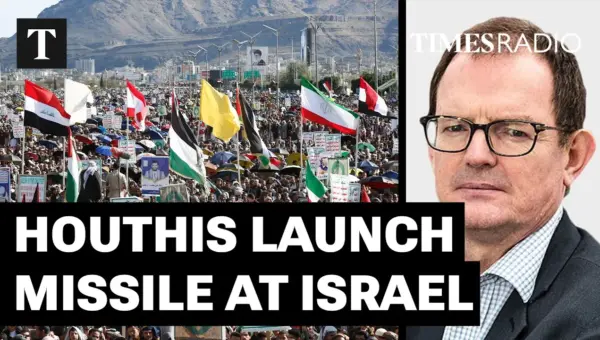
Houthis Fire Missile at Israel, Iran’s Guard Takes Center Stage
Yemen's Houthi group has fired a missile at Israel, signaling a potential escalation of the regional conflict. Meanwhile, Iran's powerful Islamic Revolutionary Guard Corps (IRGC) appears to be consolidating its control over the country's leadership following reported strikes. This shift places hardline figures at the forefront of decision-making.

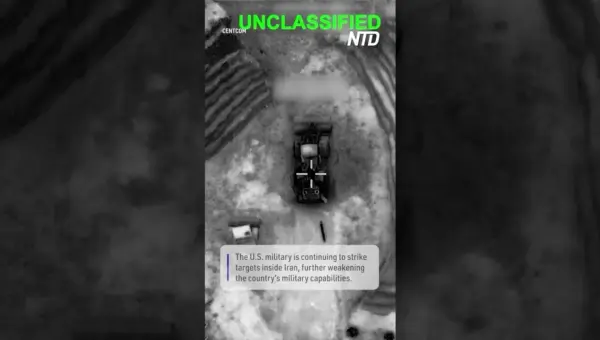
US Strikes Cripple Iran’s Military Might, CENTCOM Reports
U.S. Central Command reports ongoing strikes inside Iran are significantly weakening its military power. This direct action aims to reshape regional security dynamics, but carries risks of escalation. The long-term impact depends on Iran's response and ability to adapt.
U.S. Iran Tensions Rise Amid Shifting Alliances
Rising tensions between the U.S. and Iran are creating a volatile geopolitical situation. With conflicting signals on de-escalation and potential shifts in alliances like NATO and U.S.-Israel relations, the path forward remains uncertain. The global economy and regional stability hang in the balance.