Dingell: Most Americans Reject Endless Middle East Wars
Democratic Congresswoman Debbie Dingell states that most Americans oppose prolonged wars in the Middle East, especially as rising gas prices strain household budgets. She highlights public skepticism over President Trump's claims of productive Iran talks and the ongoing stalemate over Department of Homeland Security funding.

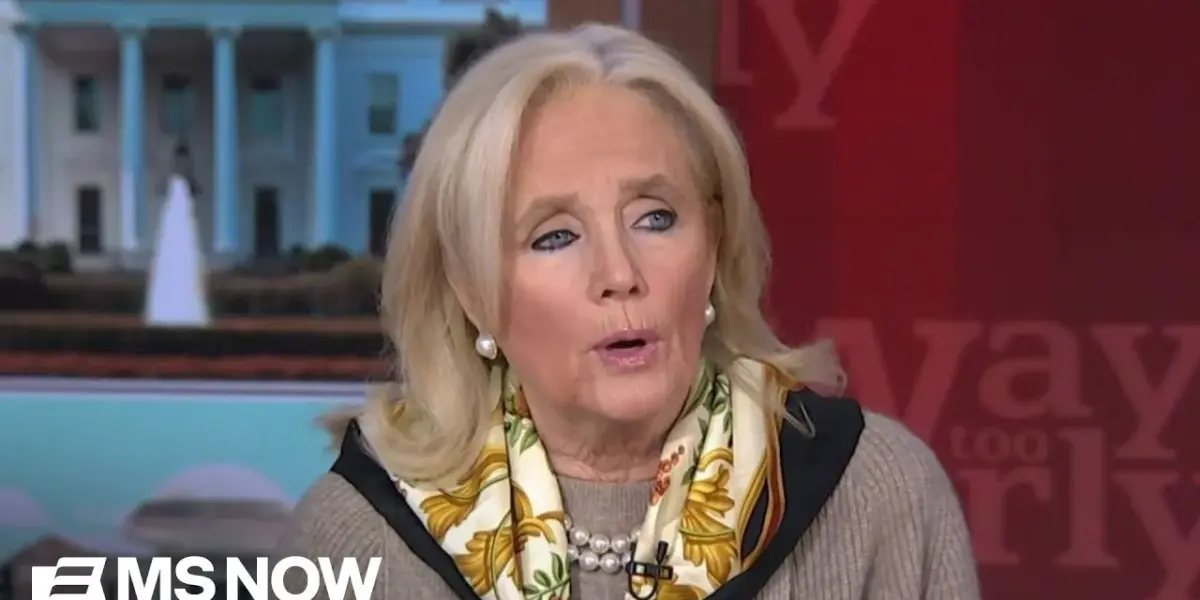
Americans Oppose New Middle East Conflicts, Say Lawmakers
Most Americans do not want another prolonged war in the Middle East, according to Democratic Congresswoman Debbie Dingell of Michigan. This sentiment comes amid rising gas prices and ongoing debate over funding for the Department of Homeland Security (DHS).
Concerns Over Conflicting Information on Iran Talks
President Trump recently claimed productive talks were happening between the U.S. and Iran. However, many, including Senator Adam Schiff, have expressed doubt about the sincerity and details of these negotiations. “We really don’t know what to believe,” Schiff stated, questioning if the talks are serious or if President Trump is simply trying to lower gas prices.
The lack of clear information fuels public uncertainty. Different officials within the administration offer conflicting accounts about the situation. President Trump himself has made contradictory statements regarding troop deployments and the potential costs of military engagement. This inconsistency makes it difficult for the public to understand the true nature of U.S. involvement.
Rising Gas Prices Impacting American Households
Congresswoman Dingell highlighted the direct impact of global events on everyday Americans. She described seeing gas prices jump significantly during a recent trip home. “Between leaving Sunday and getting home last Friday, they had gone up to… 30 cents at one gas station, 20 cents at the other,” Dingell shared. Prices were nearing $4.00 per gallon in her district.
These rising costs add to existing financial burdens. Families are already struggling with high prices for groceries, housing, and utilities. The added expense of gasoline, often linked to Middle East conflicts, creates further hardship. “People are already struggling. They’re having a hard time. Their dollars aren’t going as far as they were,” Dingell noted.
Echoes of Non-Interventionist Campaign Promises
The idea of avoiding prolonged military engagement resonates with President Trump’s past campaign promises. He ran on a platform of ending “endless wars” and adopting a non-interventionist approach. Many expected his administration to steer clear of new, long-term conflicts.
However, reports of potential military funding requests, such as a $200 billion supplemental for military replenishment, raise questions about this commitment. Dingell expressed skepticism about the certainty of such requests, stating, “You hear things are going to come. Is it fact? Is it not?”
Stalemate Over Homeland Security Funding
Meanwhile, the shutdown of the Department of Homeland Security continues to be a major point of contention. Republicans have voted against funding for essential agencies like the TSA, FEMA, and the Coast Guard multiple times. Democrats have proposed measures to fund these agencies, with exceptions for ICE.
Dingell emphasized the critical need for guardrails on ICE operations, stating, “We do need guardrails on ICE, period.” She also pointed out the struggles faced by TSA employees, whom she frequently meets with back home in Michigan.
Negotiations for DHS Funding Face Hurdles
Discussions are ongoing to resolve the DHS funding deadlock. Proposed solutions reportedly include judicial warrants, a key demand from Democrats. However, progress on other Democratic priorities, such as requiring ICE agents to wear masks during operations, remains unclear.
Dingell views warrants as essential, calling them “one of the most fundamental principles of the Constitution.” She is receiving mixed signals regarding the mask requirement. “I’ve heard both sides again. There are a lot of rumors, and that’s the problem,” she admitted.
Uncertainty Clouds the Path Forward
The legislative process is currently fraught with rumor and speculation. “The Hill is a place that runs on rumor until you actually see it in written text. And we don’t have this written text yet. None,” Dingell observed. This lack of concrete agreements makes it difficult to gauge the likelihood of a breakthrough.
Democrats in both the House and Senate appear unified on the need for serious guardrails for ICE. They also share concerns about the TSA not receiving adequate funding. “I really do want to find a way that they’re not a ping-pong paw,” Dingell said, referencing her past legislative efforts to stabilize TSA funding.
Looking Ahead: Await Concrete Proposals
As negotiations continue, the focus remains on whether a bipartisan agreement can be reached. The public is watching closely, hoping for resolutions that address both national security needs and the concerns of everyday Americans. The coming days will be crucial in determining if a path forward can be found on DHS funding and U.S. foreign policy in the Middle East.
Source: Rep. Dingell: Most Americans do not want another endless war (YouTube)

Related Articles
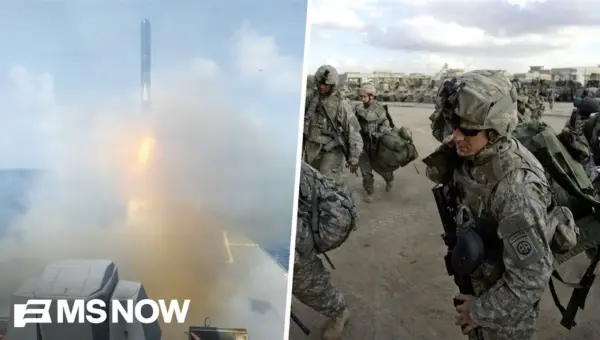
Iran Missile Strikes Injure US Troops, Raise War Concerns
Iranian missile strikes have injured U.S. service members, escalating tensions as the conflict nears one month. The attacks are raising concerns about the effectiveness of U.S. military strategy and the depletion of crucial missile stockpiles. Global oil prices have surged, impacting economies worldwide.

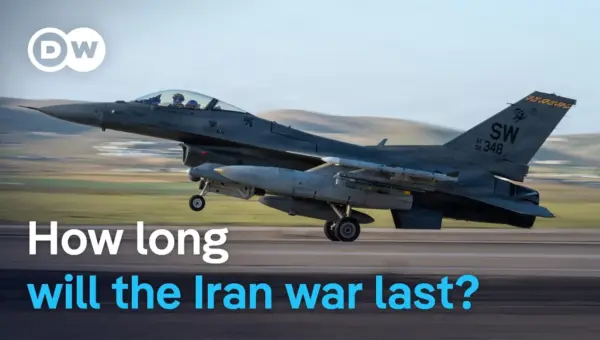
US Official Claims Iran War Could End Soon; Expert Skeptical
Despite US envoy Steve Woff's optimism about imminent talks and a swift end to the conflict with Iran, expert Aaron David Miller expresses significant doubt. Miller argues that a lack of shared urgency and fundamental miscalculations by the US administration make a quick resolution unlikely.

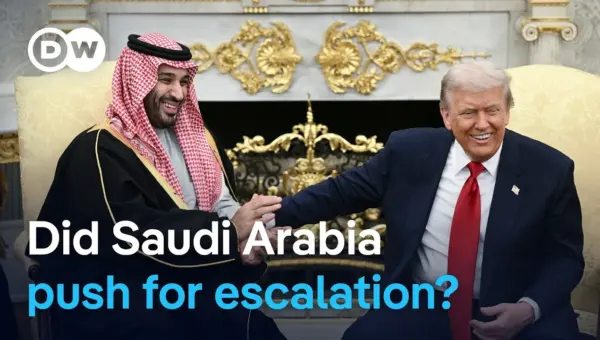
Saudi Arabia Pushes US for Iran War, Report Claims
Saudi Arabia's Crown Prince Mohammed bin Salman has reportedly urged the US to escalate military action against Iran, viewing it as an opportunity to reshape the Middle East. While Saudi officials deny the report, the push comes amid increased Iranian attacks on Saudi oil infrastructure. Experts suggest a complex dynamic where Saudi Arabia seeks US intervention while also managing the risks of regional instability.