Iran’s Leadership Divided Amid Supreme Leader Health Rumors
Iran's leadership is reportedly fractured and struggling with internal divisions amidst swirling rumors about the Supreme Leader's health. Experts suggest the Revolutionary Guard may be taking a more prominent role in decision-making. Meanwhile, diplomatic efforts are underway, but the situation remains tense with concerns about economic stability and the potential for conflict.

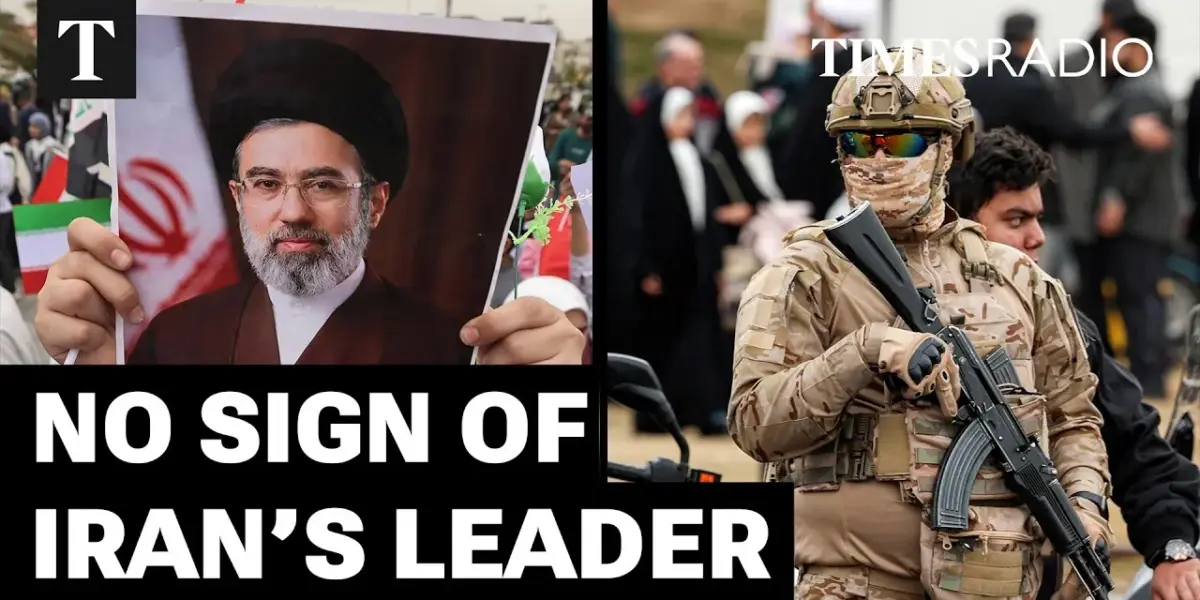
Iran’s Top Leadership Reportedly Fractured Amid Health Concerns
Reports suggest Iran’s leadership is deeply divided and struggling to function cohesively. This internal split comes as rumors swirl about the health of the Supreme Leader, Ayatollah Ali Khamenei, with some speculating he may be in a coma. The situation has led to uncertainty about who is truly in charge and how decisions are being made within the Iranian government.
Uncertainty Over Who Holds Power
Ali Ansar, a professor of Iranian history and director at the Institute for Iranian Studies at the University of St. Andrews, described the leadership as “split apart” and devolved. He noted that it is difficult to determine who is running Iran, especially since many key figures have been incapacitated or killed. Ansar believes that much of the current decision-making likely falls to the Revolutionary Guard leadership, rather than a unified central authority.
Regarding the Supreme Leader, Ansar expressed his inclination to believe Khamenei is in a coma, though not necessarily dead. He pointed out the lack of any public appearance or communication from Khamenei, even in the face of injury. “He may not be dead but he’s certainly not uh you know functioning as as as normal,” Ansar stated. The absence of any media, like photos or videos, makes it difficult to confirm his condition but suggests a severe issue.
US Diplomacy and Iranian Reactions
In the midst of this internal uncertainty, diplomatic efforts are underway. Steve Wickoff, Donald Trump’s Middle East envoy, has reportedly traveled to Pakistan hoping to engage with Iranian representatives. However, it remains unclear if any Iranian officials will agree to meet. Meanwhile, politicians within Iran are openly criticizing President Rouhani, mocking his shifts in strategy regarding potential military actions.
Narrative Control and Strategic Messaging
Ansar highlighted that in the ongoing conflict, Iran holds an advantage in controlling the narrative, largely due to an internet blackout within the country. This prevents outside observers from getting a clear picture of events inside Iran, while speculation runs rampant internationally. He described President Trump’s public statements, particularly on social media, as “reckless.” An ultimatum that cannot be fully enforced, Ansar argued, makes the US appear to be backing down, thus weakening its perceived position.
The situation around the Strait of Hormuz is a key example. While technology makes it easier to potentially disrupt shipping, Iran seems hesitant to completely block the strait. Instead, their goal appears to be control, allowing them to dictate passage rather than cutting off their own trade routes. This creates a delicate balance of risk, where Iran can pose a threat, though the ability to completely eliminate it remains uncertain.
“I think we need to be careful about thinking that there’s a very coherent and unified leadership at the moment and this is part of the problem of course that uh you know it’s it’s been split apart. It’s devolved shall we say.”
Economic Impact and Future Settlements
The potential for chaos and economic damage is a significant concern for global observers. Ansar pushed back on the idea that Iran would not be significantly worse off, stating that the country’s political economy was already in a poor state and would likely worsen. While the regime might declare victory, the reality on the ground suggests a more difficult situation.
Finding a solution for the Strait of Hormuz is crucial. Ansar suggested that unless a manageable risk can be established, a negotiated settlement will be necessary. However, he expressed reservations about the nature of such a settlement. Gulf allies are anxious about perpetual threats, and a long-term agreement with the current Iranian regime seems unlikely. This leaves the situation in a difficult state, requiring time and patience to resolve, according to US military assessments.
Internal Resistance and Popular Discontent
Despite the external focus on geopolitical tensions, Ansar stressed that internal resistance within Iran has not failed. He dismissed the idea that popular discontent has disappeared, noting that many inside the country anticipate the regime’s eventual collapse. The issue, he explained, is that change rarely happens on a predetermined timetable. The expectation of immediate uprisings following specific events, like bombing campaigns, is often unrealistic.
Ansar criticized the tendency to overlook the Iranian population’s role in these events. He feels they are often written out of the narrative, with limited access to information from within the country. He also finds it unfair when people are questioned about why they haven’t protested more or sooner. Ansar emphasized the need to give the Iranian people space and time to see what unfolds, suggesting that the situation regarding popular discontent is far from over.
Source: Iranian Leadership Is 'Split Apart' As Rumours Fly The Supreme Leader Is In A Coma (YouTube)

Related Articles

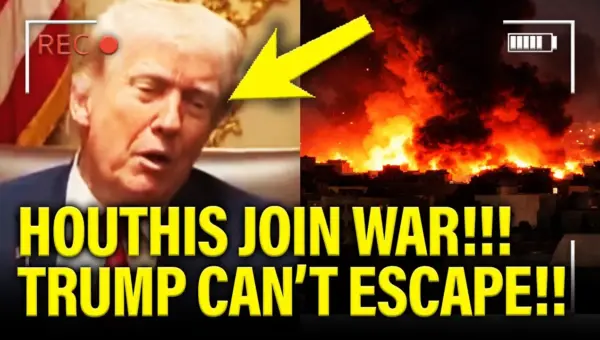
Iran Escalates Global Conflict, Threatens World Economy
Yemen's Houthi rebels have officially joined the conflict, launching ballistic missiles at Israel and escalating regional tensions. This move threatens vital shipping lanes like the Red Sea's Bab al-Mandab strait, potentially causing catastrophic economic consequences. Meanwhile, US soldiers have been injured in Iranian missile strikes, adding to the mounting human and financial costs of the escalating war.


Trump’s Iran Claims: Shocked or Deluded by War Games?
Donald Trump claimed surprise over Iran's actions in the Strait of Hormuz, but experts suggest retaliation was inevitable. Military war games likely predicted such a scenario, raising questions about the advice given to the President.
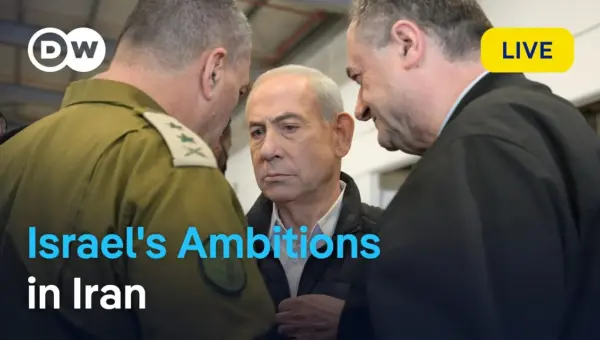
Israel’s Strategy Against Iran Revealed
Israel's strategy to counter Iran's nuclear ambitions and regional influence centers on containment, utilizing a mix of covert military actions, intelligence operations, and diplomatic pressure. Analysts highlight the growing urgency due to Iran's nuclear advancements, while also noting the persistent risk of escalation in the volatile Middle East.