Trump Pauses Iran Strikes, Eyes Deal Amid Conflicting Signals
President Trump announced a five-day pause on strikes against Iran, citing ongoing talks. However, conflicting statements from Iran's parliament speaker deny any negotiations are happening. This diplomatic uncertainty impacts global oil markets and investor outlook.

Trump Pauses Iran Strikes, Eyes Deal Amid Conflicting Signals
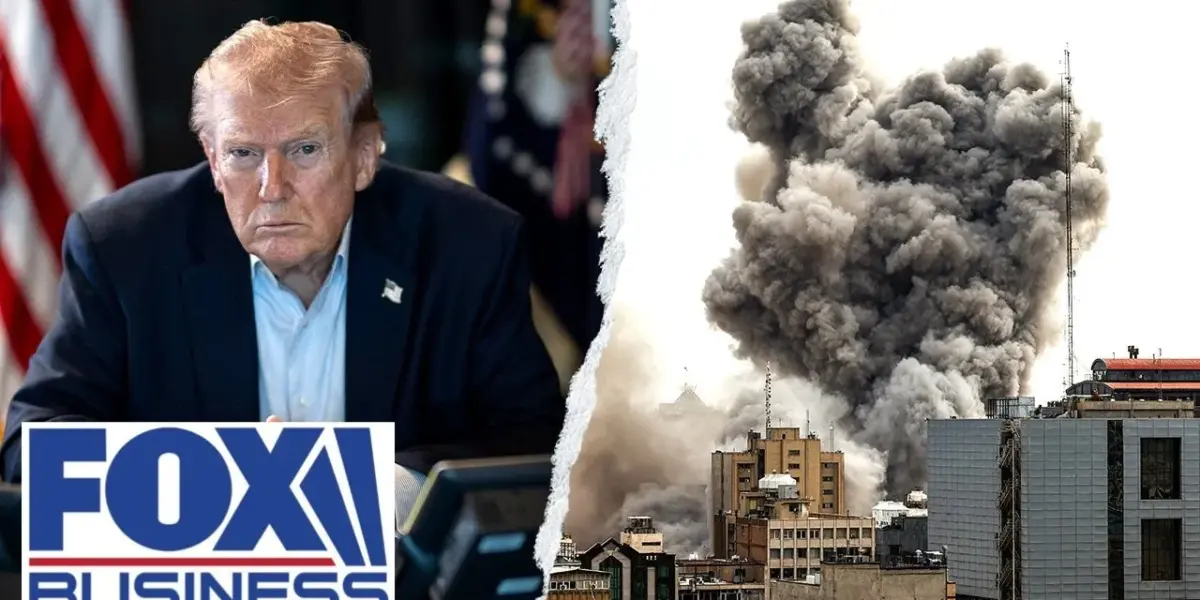
President Trump has announced a five-day pause on striking key Iranian energy targets, signaling a potential diplomatic opening. The President stated that the U.S. is engaged in ongoing talks with Iran. “We’re doing a five-day period, we’ll see how that goes,” President Trump told reporters. “And if it goes well we’ll end up with settling this, otherwise we’ll keep bombing our little hearts out.” This statement suggests a willingness to de-escalate tensions if diplomatic progress is made.
However, conflicting information has emerged regarding the status of these negotiations. President Trump indicated that Iran is ready to talk and make a deal. But the Speaker of the Iranian Parliament has publicly called this claim “fake news,” denying that any such talks are taking place. This discrepancy highlights the complex and often opaque nature of international diplomacy, especially in volatile regions.
Understanding the Stakes: Oil Markets and Geopolitics
The situation carries significant weight for global financial markets, particularly oil prices. Iran is a major oil producer, and any conflict in the region can disrupt supply chains, leading to price volatility. The Strait of Hormuz, a critical chokepoint for oil shipments, remains under Iran’s control. The ability of countries to move their ships through this strait is seen as a sign of regional stability and the staying power of various regimes.
Dan Hoffman, a former CIA officer and Fox News contributor, explained the potential outcomes for the U.S. “There are three options President Trump can consider,” Hoffman noted. These include declaring an end to any conflict and walking away, negotiating a verifiable end to Iran’s ballistic missile and nuclear programs, or continuing to escalate military action.
Navigating the Diplomatic Minefield
The differing accounts of whether talks are occurring present a challenge for observers. Hoffman suggested that President Trump’s statement about negotiations might refer to direct or indirect discussions. The denial from the Iranian Parliament speaker, however, indicates a potential internal division or a strategic maneuver by Iran. The coming five-day period will be crucial in determining the direction of these events.
Hoffman drew a parallel to military operations in Gaza, describing a strategy of “mowing the lawn.” This analogy refers to a cyclical approach of finding, fixing, and finishing enemy targets, destroying their weapons, and then returning to address any emerging threats. “I believe that President Trump wants to finish this so we don’t have to return and go through this again,” Hoffman stated, implying a desire for a lasting resolution rather than a temporary fix.
Market Impact and Investor Considerations
The immediate market impact revolves around the potential for conflict and its effect on oil supply. If tensions escalate, oil prices could surge, impacting transportation costs and inflation globally. Conversely, a successful diplomatic resolution could lead to increased stability and potentially lower energy prices.
Investors should monitor the developments closely. The back-and-forth between the U.S. and Iran, along with the conflicting statements, creates uncertainty. This uncertainty can lead to increased volatility in stock markets, particularly in sectors sensitive to energy prices and geopolitical risk. The strategic importance of the Strait of Hormuz cannot be overstated, as any disruption there would have immediate global economic consequences.
The situation also raises questions about Iran’s internal political dynamics. The denial of talks by a high-ranking official suggests that Iran may not be a monolithic entity in its foreign policy decisions. Understanding these internal dynamics is key to assessing the likelihood of a successful negotiation or the potential for further escalation.
For investors, the focus remains on how these geopolitical events translate into tangible economic outcomes. The coming days will likely provide more clarity on whether the current pause represents a genuine opportunity for peace or a temporary reprieve before further action. The U.S. intelligence community is reportedly tracking the situation closely, providing critical insights into Iran’s capabilities and intentions.
Source: Trump: US will keep ‘bombing our little hearts out’ if Iran doesn’t do this (YouTube)

Related Articles

G7 Allies Clash Over Iran War Strategy, Urge Focus on Russia
G7 foreign ministers met in Paris, revealing deep divisions over the U.S. war with Iran. European allies urged the U.S. to pressure Russia, linking its actions to the conflict and fearing support for Ukraine will wane.

Iran Blocks China Ships, Exposing Beijing’s Weak Grip
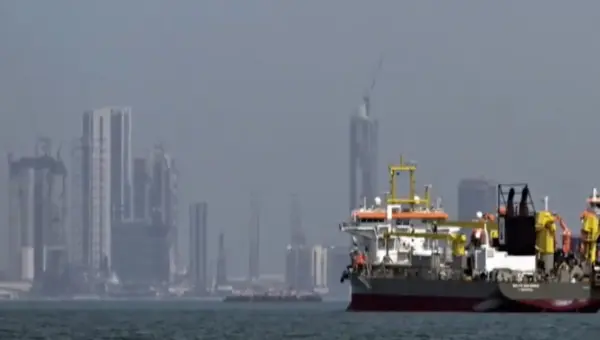
Iran's recent decision to block Chinese ships at the Strait of Hormuz is exposing the limits of Beijing's influence in the Middle East. This action is causing delays and cancellations for Chinese manufacturers, turning a perceived geopolitical win into an economic strain.
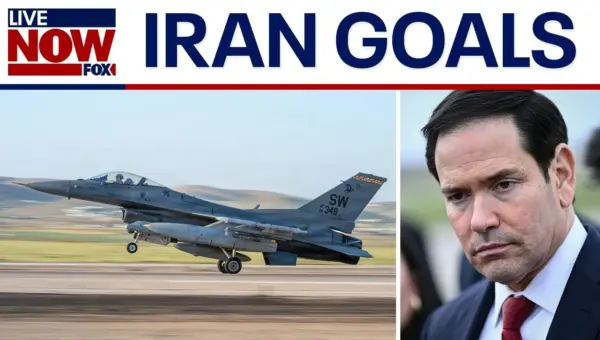
Rubio: US Can Achieve Iran War Goals Without Troops
Senator Marco Rubio outlined a strategy to counter Iran without deploying U.S. ground troops, focusing on weakening the regime and enhancing maritime security. He also criticized Cuba's economic system and expressed concerns about West Bank violence.