Supreme Court Weighs Mail-In Ballot Deadlines
The Supreme Court is reviewing Mississippi's law allowing mail-in ballots received after Election Day. This case highlights the national debate between expanding voter access and ensuring election security. The ruling could impact how millions vote in future elections.

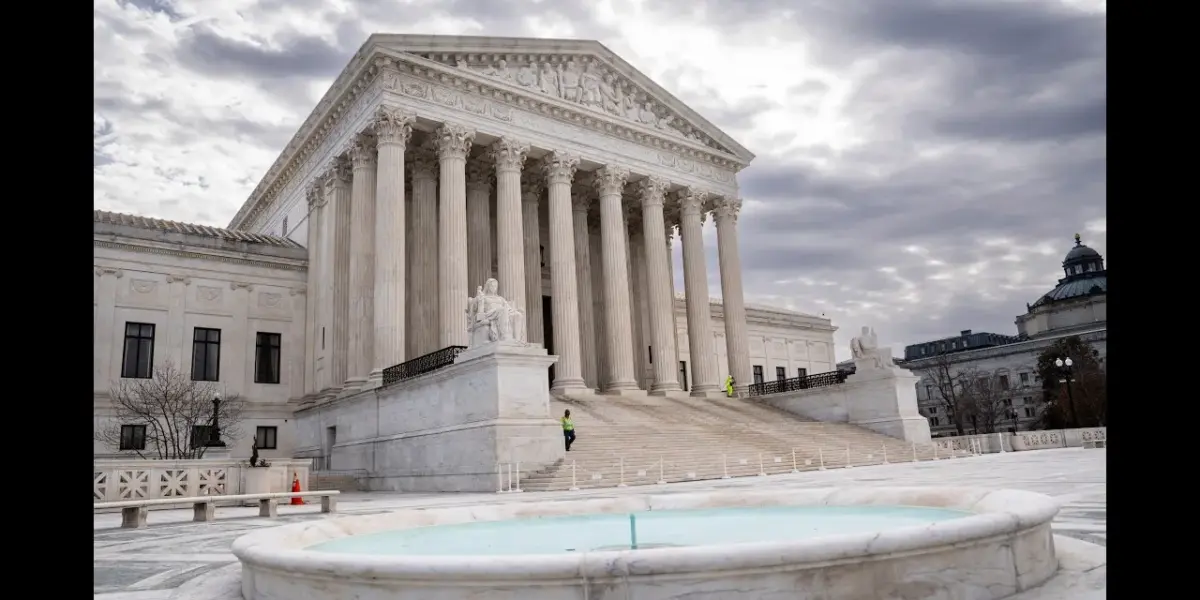
Supreme Court Weighs Mail-In Ballot Deadlines
The ongoing national discussion about how Americans cast their ballots has reached the highest court in the land. The Supreme Court is now considering a case from Mississippi regarding mail-in ballots received after Election Day. This case could set a new standard for how states handle absentee votes.
Mississippi’s Law and the Legal Challenge
Mississippi has a state law that allows mail-in ballots to be counted if they arrive up to five days after Election Day. This law was put in place in July 2020, a time when the COVID-19 pandemic was causing widespread lockdowns and concerns about in-person voting.
However, this law faced a legal challenge. The Republican National Committee, along with the Mississippi Republican Party and the state’s Libertarian Party, filed a lawsuit. A lower court agreed with them and struck down the law, ruling that ballots received after Election Day should not be counted.
The Debate Over Ballot Deadlines
The core of the issue is the deadline for receiving mail-in ballots. Mississippi’s law, like those in 18 other states, includes a grace period. These states accept mail-in ballots after Election Day, as long as they are postmarked on or before Election Day.
Supporters of these grace periods argue they are vital for ensuring more people can participate in democracy. They believe that making it easier for voters to cast their ballots, even if they arrive a few days late due to postal delays, helps boost turnout. It’s about making sure every vote that was cast on time is counted.
On the other hand, opponents raise concerns about potential fraud. They argue that allowing ballots to arrive after the official Election Day could open the door to manipulation. For them, strict deadlines are essential to protect the integrity and trustworthiness of the election process. They worry that late-arriving ballots could be tampered with or cast improperly.
Why This Matters
The Supreme Court’s decision in this Mississippi case will have significant implications for future elections. It addresses a fundamental question: Should states have flexibility in setting deadlines for mail-in ballots, or should there be a uniform, stricter approach nationwide?
This debate touches on voter access versus election security. States are trying to balance the need to make voting convenient and accessible for all citizens with the equally important need to ensure that elections are fair and secure. The outcome could influence how millions of Americans vote in upcoming elections, especially in states that currently have or are considering grace periods for mail-in ballots.
Historical Context and Future Outlook
Voting by mail is not a new concept in American politics. It has been used in various forms for decades, often by military personnel serving overseas or by citizens who are temporarily unable to vote in person. However, the COVID-19 pandemic dramatically increased the use of mail-in voting across the country.
This surge in absentee voting brought existing state laws and procedures under closer scrutiny. Questions about ballot harvesting, signature verification, and, crucially, post-election deadlines became central to political discussions. The Mississippi case is a direct result of these heightened tensions and the differing views on how to manage a modern voting system.
Looking ahead, the Supreme Court’s ruling will likely shape the legal framework for mail-in ballot deadlines for years to come. It could either affirm the rights of states to set their own rules, potentially leading to a patchwork of different deadlines across the country, or it might establish a more consistent national standard. This decision will be closely watched by election officials, political parties, and voters alike as they prepare for future election cycles.
Source: Supreme Court Hears Mississippi Appeal in Mail In Ballots Case (YouTube)

Related Articles

Supreme Court Cases Threaten Rights, But Congress Holds a Fix
The Supreme Court's recent hearings on mail-in ballots and asylum suggest rulings that could restrict voting access and limit refugee claims. However, these decisions are based on statutes, giving Congress the power to enact fixes if Democrats regain power, potentially safeguarding these rights.

Senate Rejects Voter ID Bill: A Deep Dive into the Divide
The U.S. Senate recently voted down a proposed amendment requiring photo ID to vote, splitting strictly along party lines. Republicans argued for election security, while Democrats raised concerns about voter suppression. This failure highlights deep divisions on election laws.

Trump’s Mail-In Ballot Hypocrisy Fuels Voter Suppression Debate
Donald Trump's personal use of mail-in ballots contradicts his public stance against them, fueling concerns about voter suppression. Evidence suggests widespread voter fraud is rare, and efforts to restrict voting access disproportionately affect marginalized communities.