Germany’s Quirks: Gates, Homes, and Bombs Baffle Americans
American reactions to German life reveal surprising quirks, from gates on residential streets to debates on nuclear power and the unique charm of colorful homes. These observations highlight distinct cultural approaches to everyday challenges and historical legacies.

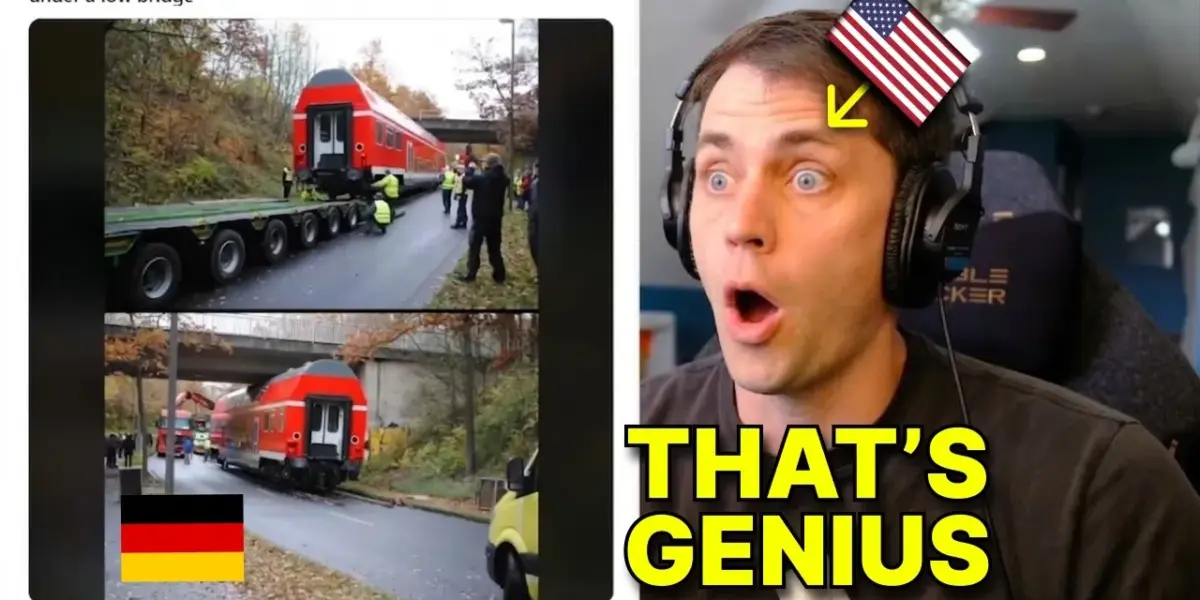
Germany’s Quirks: Gates, Homes, and Bombs Baffle Americans
Imagine driving down a quiet street, surrounded by normal houses, and suddenly encountering a locked gate right in the middle of the road. This isn’t a scene from a movie; it’s a real experience for some Americans visiting Germany, highlighting the country’s unique approach to everyday life.
The Mysterious Gate on a Residential Street
One of the most puzzling sights for American visitors is a gate placed inexplicably in the middle of a residential street. There are no signs explaining its purpose, and it’s not blocking a private driveway. The gate is often locked, but can be opened to drive through and then must be closed again. This unusual setup has sparked curiosity and amusement, leading to questions like, “Is this a social experiment?” or “Do you have a permit for this gate?”
The reason behind these gates is surprisingly practical. In many cases, these gates were installed as a community solution to excessive traffic. Residential streets were being used as shortcuts by drivers heading to major highways, often at high speeds. The community council agreed to place gates to slow down traffic and discourage non-local drivers. While the gates can be opened for emergencies, their primary function is to act as a deterrent, forcing drivers to slow down and engage with the gate itself.
Nuclear Power: A Different Debate
The discussion around nuclear power also reveals a stark difference between American and German perspectives. While the debate over nuclear energy in the United States seems relatively settled for many, it remains a highly controversial topic in Germany. This controversy is a significant factor in Germany’s energy policy, influencing its decisions on nuclear power generation.
Germany’s approach contrasts with China’s, which has vast land resources for storing nuclear waste. In China, nuclear power plays a smaller role compared to renewable sources like solar and wind. Projections suggest China will reach 95% renewable energy by 2040, with nuclear power making up only a small percentage.
“Ugly” Homes with Colorful Personalities
Another point of fascination for Americans is German housing. Often posted in online forums labeled “urban hell,” some German homes are described as small, boxy, and even “ugly.” However, many visitors find these homes charming, especially when they are painted in bright, fun colors. These colorful houses, often with basement or garage access, are seen as practical and tidy, particularly for single individuals living near their workplace.
This perception of German homes challenges the “urban hell” label. The vibrant paint colors and compact designs suggest a different aesthetic preference, one that values functionality and a bit of cheerfulness. The idea that these homes are too vibrantly painted to be considered truly hellish resonates with many.
Berlin’s Unique Vibe and Historical Echoes
Berlin, in particular, offers a unique atmosphere that can feel like stepping back in time, or into a different world altogether. The city is known for its diverse and sometimes eccentric sights, from unusually tall individuals to people dressed as historical figures. This sense of freedom allows residents and visitors to express themselves in creative ways, whether it’s riding a scooter or embodying a character.
However, historical echoes are also present. The appearance of figures resembling historical figures like Hitler, even in jest or as a performance, can be jarring and bring to mind Germany’s complex past. This juxtaposition of a free-spirited present with a heavily scrutinized past is a hallmark of Berlin’s identity.
Trade Relationships and Lingering WWII Remnants
Germany’s trade relationships also offer surprising insights. While China is a major trading partner, a significant portion of Germany’s imports come from within the European Union. Imports from China primarily include electric batteries and computers, indicating a focus on specific technological goods.
Perhaps one of the most sobering reminders of Germany’s past is the discovery of unexploded World War II bombs. The frequency with which these bombs are found, particularly in cities like Dresden, highlights the lasting impact of the war. The fact that many of these bombs, especially British 250 kg models, were poorly manufactured and remain dangerous decades later is a stark testament to history’s persistent presence.
Why This Matters
These observations from American visitors offer a glimpse into the cultural and practical differences between Germany and the United States. The gates on residential streets show a community-oriented approach to traffic management. The differing views on nuclear power highlight distinct national priorities and historical contexts. The varied opinions on housing styles and the unique vibe of cities like Berlin showcase diverse aesthetic and social values.
Furthermore, the ongoing discoveries of WWII bombs are a tangible link to the past that continues to shape the present. Understanding these differences helps us appreciate the complex tapestry of global cultures and the varied ways societies address common challenges, from urban planning to energy policy and historical reconciliation.
Implications and Future Outlook
The way Germany handles traffic, energy, and urban living reflects a society that often prioritizes communal well-being and historical awareness. The traffic gates, for instance, suggest a willingness to implement solutions that may inconvenience some for the greater good of neighborhood safety. In energy, the strong debate around nuclear power indicates a society deeply engaged with the long-term consequences of its choices, perhaps more so than in the US.
The visual distinctiveness of German homes, even if debated, points to a unique design philosophy. Berlin’s atmosphere, with its blend of freedom and historical weight, suggests a city that is constantly negotiating its identity. The persistent presence of WWII bombs is a reminder that historical events leave indelible marks that require ongoing management and remembrance. As Germany continues to evolve, these cultural and practical distinctions will likely persist, offering ongoing points of interest and comparison with other nations.
Source: American reacts to Photos of Germany that prove it's unlike anywhere else on Earth (YouTube)

Related Articles

Government Shutdown Strains TSA, Sparks Airport Chaos
A recent government funding bill's passage hasn't immediately fixed widespread airport delays. TSA staffing shortages, caused by delayed paychecks from the shutdown, are leading to extreme wait times. Travelers face missed flights and frustration, while TSA workers question their job security.

German Chancellor Links Violence Against Women to Migration
German Chancellor Friedrich Merz has sparked controversy by linking an increase in violence against women to migration. Official figures show a rise in domestic and digital violence, with non-Germans overrepresented as suspects, though critics argue this oversimplifies the issue and ignores the majority of German perpetrators.

US Tourism Dips: Why Are Germans Turning Away?
German travelers are increasingly avoiding the U.S., citing concerns over political instability, safety, and gun violence. This has led to significant cuts in flights and a drop in demand, impacting the tourism industry. While America's natural beauty is still appreciated, current perceptions of unrest make it an unappealing destination for many.