Money Control Key to Iran, Venezuela Policy
Former Energy Secretary Dan Brouillette stressed that controlling financial flows from Iran and Venezuela is key to policy success. Economist Art Laffer remains optimistic about markets despite geopolitical concerns, while Steve Moore criticizes high-tax states for driving residents away.

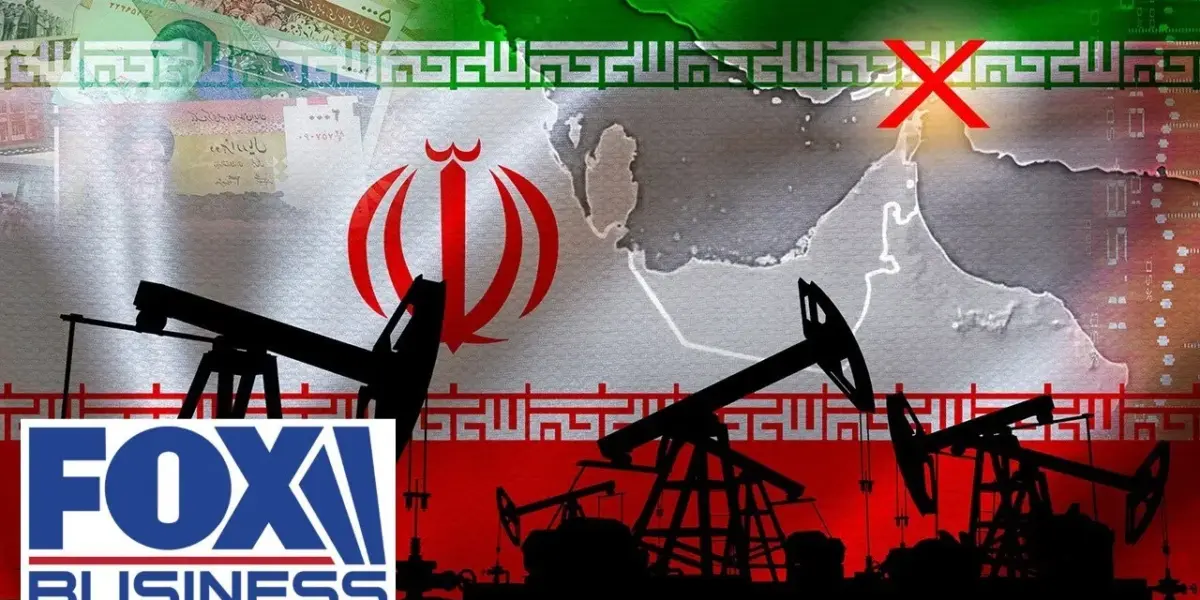
Former Energy Secretary Highlights Financial Control in Foreign Policy
The flow of money is a critical factor in shaping outcomes related to Iran and Venezuela, according to former U.S. Energy Secretary Dan Brouillette. Speaking on a recent broadcast, Brouillette emphasized that controlling the finances associated with oil exports from these nations is paramount. This approach, he suggested, is similar to strategies employed in Venezuela, where sanctions allowed for the legal trading of oil already at sea. However, Brouillette stressed that the crucial element is ensuring these funds are managed by the U.S. Treasury, not directly by the regimes in Tehran or Caracas.
Strait of Hormuz and Oil Revenues
The discussion touched upon the movement of oil tankers through the Strait of Hormuz. Reports indicated that Iran might be placing a commission on these shipments. The core concern raised was whether allowing these tankers to proceed and then de-sanctioning the oil would ultimately benefit Iran financially. Brouillette acknowledged this concern, stating that if the money from these sales were to go directly to the Iranian regime, he would oppose such a plan. He clarified his understanding that the de-sanctioned oil refers to shipments outside of Iranian waters, and that the revenue would ideally be held in escrow and managed by the U.S. Treasury.
“Who controls the money is going to control the outcome here. Who controls the oil is going to control the outcome here.”
Dan Brouillette, Former U.S. Energy Secretary
Market Outlook Amidst Geopolitical Tensions
Economist Art Laffer offered a more optimistic view on the broader market and economic impact of current events. Despite concerns about prolonged conflict and potential recessionary effects from higher oil prices, Laffer expressed confidence. He pointed out that current oil prices, around $88-$90 per barrel, are significantly lower than historical highs seen during past crises like the embargo or invasions of Kuwait and Ukraine. Laffer believes this indicates markets are responding positively to the prospect of stabilized trade. He noted the strength of the U.S. dollar and falling inflation expectations as positive signs for the global economy.
Tax Policies Drive Migration and Economic Health
Steve Moore, host of “Moore Money,” shifted the focus to domestic economic policy, specifically tax rates in various U.S. states. He criticized the tax policies of several Democratic-led states, including California, New York, and Washington. Moore argued that high taxes are driving residents and businesses away, leading to significant financial losses for these states. He cited Florida as an example of a state benefiting from an influx of people and wealth from high-tax states. Moore specifically highlighted Washington State’s recent increase in income tax, predicting a migration of tech workers out of the state. He underscored the principle that taxes matter, and states with no income tax, such as Texas, Florida, and Tennessee, are seeing economic benefits.
State-Level Economic Strategies Contrasted
The conversation also included a critique of New York Governor Kathy Hochul’s approach to retaining residents. Larry Kudlow, the program’s host, recounted how Hochul initially seemed to dismiss those leaving for Florida but later appealed for their return, even suggesting it was a patriotic duty. Moore and Kudlow questioned the logic of asking people to return when tax policies remain unfavorable. Brouillette added a point about travel difficulties, suggesting that issues with transportation infrastructure might also be a factor deterring movement.
What Investors Should Know
The discussion highlights two key areas relevant to investors: geopolitical risk and domestic tax policy. The emphasis on controlling financial flows related to oil from Iran and Venezuela suggests that U.S. foreign policy objectives are closely tied to financial leverage. Investors monitoring these regions should pay attention to how sanctions are implemented and how oil revenues are managed. Changes in oil prices can impact energy stocks and broader market sentiment. On the domestic front, the debate over state tax policies underscores the potential for economic migration. States with lower tax burdens may continue to attract businesses and individuals, potentially leading to stronger economic growth in those areas. Conversely, states with high tax rates might face challenges in retaining their economic base. Investors may consider these factors when evaluating regional economic trends and investment opportunities.
Source: Who 'controls' the money will control the outcome here: Former Energy secretary (YouTube)

Related Articles

Iran Hackers Target Kash Patel’s Emails, Raise Security Concerns
Iran-linked hackers have claimed to breach FBI Director Kash Patel's personal emails, releasing photos and documents. Experts warn of Iran's sophisticated cyber capabilities and potential national security risks. The incident occurs amid heightened U.S.-Iran tensions and debates over military strategy.
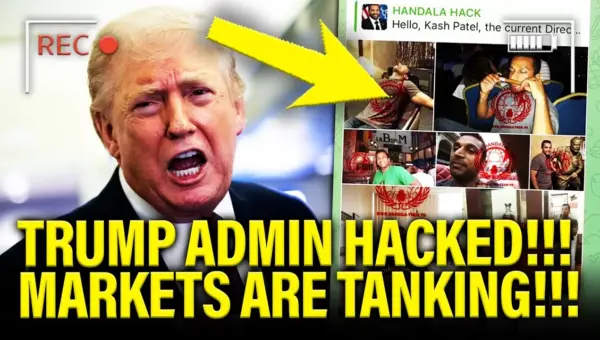
Iran Hacks Trump Official Amid Escalating Global Tensions
Iran has reportedly hacked into the emails of a former Trump administration official, raising security concerns. Meanwhile, US intelligence questions the effectiveness of strikes against Iran, and reports suggest Donald Trump's interest in the conflict is waning. The situation is further complicated by global economic impacts and allegations of bias within the US military.


Iran Hacks FBI Director: A Stunning Breach of US Security
Iranian hacker groups claim to have breached the personal email of former FBI Director Cash Patel. This incident raises serious concerns about U.S. government security and follows other controversies surrounding Patel's tenure. It highlights the ongoing threat of foreign cyberattacks.