US Strikes Iran, Sparks Oil Price Drop
The US has conducted strikes against Iranian military targets, leading to a significant drop in oil prices. Meanwhile, a domestic funding crisis for the Department of Homeland Security is causing disruptions, with the recent confirmation of a new Secretary offering a potential path to resolution.

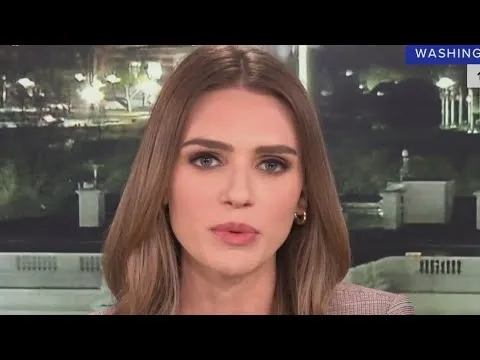
US Strikes Iran, Sparks Oil Price Drop
The United States has launched strikes against Iranian military targets in the Middle East, a move that has sent shockwaves through global markets. President Trump announced a delay in further strikes on Iran’s energy facilities, citing a potential resolution and Iran’s willingness to forgo nuclear weapons. However, Iranian officials have denied any negotiations took place, calling the claims “fake news.” This push and pull between the two nations has significantly impacted oil prices, causing a nearly 11% drop in Brent crude oil, falling to $99.94 per barrel. This is the biggest single-day drop since March 10th. The stock market, however, saw a rally, with the Dow closing up 631 points and the Nasdaq and S&P also rising. This situation highlights the delicate balance of power and communication in international relations.
US Homeland Security Faces Funding Crisis
At home, the nation is grappling with a shutdown affecting the Transportation Security Administration (TSA) due to a stalemate over funding for the Department of Homeland Security (DHS). Thousands of TSA officers are working without pay, adding urgency to the ongoing budget battle. The Senate recently confirmed Markwayne Mullin as the new Homeland Security Secretary in a 54-45 vote. Two Democrats, John Fetterman and Martin Heinrich, voted for Mullin, while Republican Rand Paul voted against him. This confirmation was seen as a step towards resolving the DHS funding issue. The White House had indicated it would hold off on negotiations with Democrats until Mullin was confirmed. Following his confirmation, Republican senators met with President Trump to discuss the funding stalemate. Some senators emerged from the meeting suggesting a deal could be reached soon, though no timeline has been set.
DHS Funding Stalemate Continues
The core of the DHS funding dispute appears to be the separation of funding for Immigration and Customs Enforcement (ICE) from the rest of the DHS budget. While a deal to fund the TSA and other parts of DHS might be in the works, President Trump had previously rejected proposals that did not include the “Save America Act.” Senate Majority Leader John Thune called linking these two issues “unrealistic.” Reports suggest that Republicans proposed an “off-ramp” to reopen the TSA, which President Trump initially rejected. However, it seems a version of this deal, focusing on separating ICE funding, is now gaining traction in the Senate. This complex negotiation highlights the political divisions and the challenges of passing essential government funding.
Iran-US Tensions: A Complex Dance
The situation with Iran remains fluid and uncertain. President Trump stated that negotiations were progressing well, but Iran’s government has denied engaging in any talks. A White House official confirmed that President Trump spoke with Pakistan’s army chief, suggesting Pakistan might be mediating discussions. This comes as other mediating countries, like Oman, have taken a less prominent role. President Trump has set a five-day timeline for Iran to make a deal, though the specifics of this potential agreement are unclear. The conflicting accounts from the US and Iran raise questions about transparency and the actual state of communications. The possibility of communication network disruptions in Iran has been cited by President Trump, but it is also possible that Iran is not being truthful about the behind-the-scenes discussions. The recent joint Israeli and American operation that targeted Iran’s military leadership adds another layer of complexity to the escalating tensions.
Global Impact
The geopolitical developments surrounding Iran have a direct impact on global energy markets. The sharp drop in oil prices following the news of delayed US strikes illustrates how quickly international tensions can affect economic stability. This volatility can influence inflation, trade, and the economic health of nations heavily reliant on oil exports or imports. Domestically, the DHS funding crisis and the resulting TSA disruptions highlight the challenges of governance when political parties cannot agree on critical budget allocations. The deployment of ICE agents to airports underscores the administration’s focus on border security and immigration enforcement, even amidst broader budget disputes. The confirmation of a new Homeland Security Secretary may signal a path forward for resolving the DHS funding issue, but the political divisions remain evident.
Historical Context
The current tensions with Iran echo historical patterns of conflict and negotiation in the Middle East. The US has a long history of involvement in the region, dating back decades, often tied to energy resources and regional stability. Past agreements, like the Joint Comprehensive Plan of Action (JCPOA) on Iran’s nuclear program, have been sources of both hope and contention. The breakdown of that agreement and subsequent US sanctions have shaped the current adversarial relationship. The role of third-party mediators, such as Pakistan and Oman in this instance, is also a recurring theme in resolving international disputes, often stepping in when direct communication between adversaries breaks down.
Future Scenarios
Several future scenarios could unfold. The US and Iran might engage in direct, albeit tense, negotiations leading to a de-escalation, potentially stabilizing oil prices and easing regional tensions. Conversely, miscommunication or a deliberate provocation could lead to further military escalation, with unpredictable consequences for the Middle East and global markets. The domestic political battle over DHS funding could continue, leading to prolonged disruptions for government services. Alternatively, a compromise might be reached, allowing the government to function normally. The confirmation of Secretary Mullin could facilitate a resolution, but political will remains the key factor. The effectiveness of Pakistan’s mediation efforts will also play a crucial role in determining the path forward in US-Iran relations.
Source: DC headlines: Trump administration plenty busy with Iran, DHS funding | Jesse Weber Live (YouTube)

Related Articles

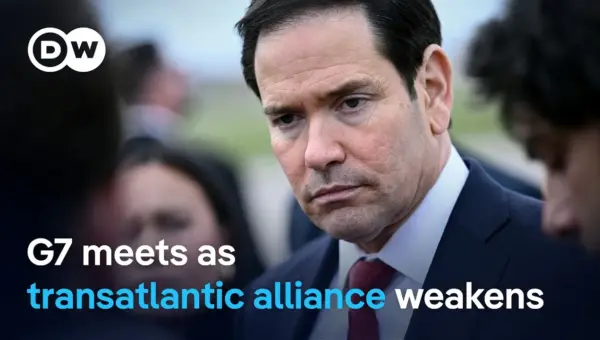
G7 Allies Clash Over Iran War Strategy, Urge Focus on Russia
G7 foreign ministers met in Paris, revealing deep divisions over the U.S. war with Iran. European allies urged the U.S. to pressure Russia, linking its actions to the conflict and fearing support for Ukraine will wane.

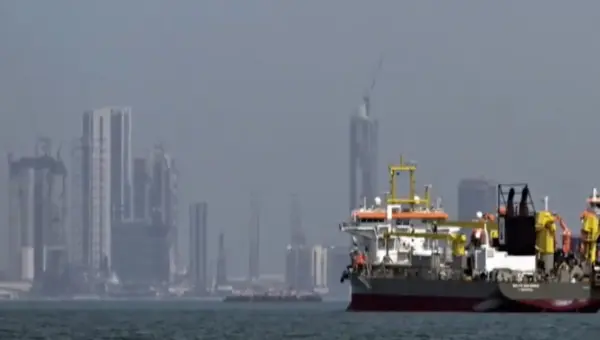
Iran Blocks China Ships, Exposing Beijing’s Weak Grip
Iran's recent decision to block Chinese ships at the Strait of Hormuz is exposing the limits of Beijing's influence in the Middle East. This action is causing delays and cancellations for Chinese manufacturers, turning a perceived geopolitical win into an economic strain.
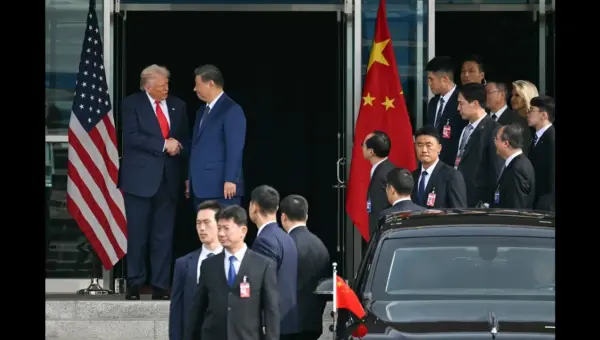
Trump’s “Walk Away” Tactic Signals Tougher Stance on China
Retired Air Force Brigadier General David Stillwell believes President Trump's strategy of being willing to walk away from negotiations puts pressure on China. This tactic, combined with US global actions and strengthened alliances, signals a more assertive American foreign policy.