Choppy Markets Grip Investors: Oil Spikes, Private Credit Falters
Oil prices are driving market volatility, creating a "choppy" trading environment. Meanwhile, the private credit sector faces scrutiny as investors seek to exit, leading to potential markdowns and redemption pressures.

Choppy Markets Grip Investors: Oil Spikes, Private Credit Falters
Traders are navigating a turbulent market environment where unexpected news can drastically shift asset prices. Boaz Weinstein, a seasoned trader, described his morning as a near miss, preparing to invest in the stock market only to have a significant announcement alter his plans. The bond market experienced a rapid move at 7:07 AM, followed by an announcement that changed the outlook for credit risk. This highlights the fast-paced and unpredictable nature of today’s trading floors.
Oil Price Volatility Dictates Market Direction
Oil is currently acting as the market’s pace car, meaning its price movements are strongly influencing other sectors. The market is pivoting around oil prices, which recently saw a spike to $99. While this might seem high, it’s a significant jump from previous weeks where prices hovered around $89. High oil prices can create ripple effects, even impacting interest rate policy. For instance, sustained high oil prices could potentially clash with President Trump’s desire for lower interest rates.
Weinstein noted that while his firm had positions earlier in the month, they ended the day flat. He was anticipating an oil spike to sell into, essentially taking the other side of what he called a “fear trade.” This strategy involves betting against widespread panic. He explained, “We’re at a spot where we’re in a choppy market. You come in, and we’re used to markets the last couple of years that trended.” He contrasted this with the recent past, noting the market trended higher until tariffs were announced, then lower, and since April 2015, it had been on a gentle upward trajectory, moving the S&P from 5,000 to 7,000.
Navigating Choppy Markets and Credit Market Dislocation
Today’s market is characterized by “swirling forces with opposing waves,” including higher oil prices, potential interest rate hikes, geopolitical tensions with Iran, and private credit market issues. This creates a “choppy market” that requires more active trading strategies. Weinstein pointed out that in such conditions, traders look for markets that are pricing in too much optimism. He cited the public credit market, where credit spreads had reached their lowest levels, indicating extreme optimism. “Credit spreads were priced to perfection,” he stated.
A significant dislocation exists in the market, where major asset managers like Blackstone and Apollo have seen their public products drop by 40%. Weinstein finds this paradoxical: “How could key have this world where we could buy pessimism, greatest managers down 40 and short optimism near the highs? That is the dislocation that I’ve been focused on.” This suggests an opportunity to buy assets that have been oversold due to excessive pessimism while selling those that are overvalued due to unfounded optimism.
Private Credit Concerns and Redemption Pressures
The private credit market is facing significant scrutiny. Weinstein mentioned that since the “private credit insanity has started,” firms like Blackstone and BlackRock have seen their valuations affected. He specifically pointed to Blue Owl, a private credit firm, where Saba attempted to acquire a 33% stake at a lower price, suggesting investors wanted their money back and didn’t realize they could be “gated” or restricted from withdrawing funds.
Blue Owl stated the offer was too low. However, Weinstein noted that no other higher bids emerged. He observed that many private credit products, including Business Development Companies (BDCs), are trading at substantial discounts. He referred to this situation as “volatility laundering,” where assets are marked at a high value (e.g., 100) without reflecting true market conditions. This leads to a situation where too many investors want to exit, creating opportunities for buyers like Saba to bid on these assets, similar to how they approached public shares.
Fundamental Questions in Private Lending
There are underlying concerns about the structure of private credit. Weinstein highlighted that a significant portion of lending, particularly to software companies, may lack sufficient collateral, creating a potential problem. He also noted that these investments were sometimes sold to retail investors, who are now worried as their dividends have been cut. “Blackstone marked down portfolio property. We, I don’t know if we have a giant fundamental problem, but we have too many people that want out,” he stated.
This situation echoes past market events like the “London Whale” trade, where excessive positions led to significant losses. Weinstein believes there’s a high chance investors will rush for the exit due to fear. He cited Cliffwater’s announcement of 14% redemptions as an example. The next key date to watch is March 31st, when redemption periods close. Weinstein warned that these redemption periods can feed on themselves: selling can lead to further markdowns, which in turn trigger more selling.
What Investors Should Know
The current market is characterized by high volatility, particularly in oil, and growing concerns in the private credit sector. Investors should be aware of the following:
- Choppy Market Conditions: Expect continued price swings and a lack of clear trends. Active trading and a focus on risk management are crucial.
- Oil’s Influence: Oil prices will likely remain a key driver of market sentiment and sector performance.
- Private Credit Risks: Be cautious of private credit investments, especially those with high fees, limited liquidity, and potential valuation issues. Watch for redemption requests and markdowns.
- Market Dislocation: Opportunities may arise from the disconnect between optimistic pricing in some areas and significant markdowns in others, particularly among major asset managers.
- Investor Sentiment: Fear and the desire to exit positions can exacerbate market downturns, especially in less liquid asset classes.
The situation with private credit, where investors are seeking to exit and firms are facing redemption pressures, suggests a period of potential repricing and increased scrutiny for these less transparent investments.
Source: We're in a 'CHOPPY MARKET,' analyst says (YouTube)

Related Articles


Iran Missile Strikes Injure US Troops, Raise War Concerns
Iranian missile strikes have injured U.S. service members, escalating tensions as the conflict nears one month. The attacks are raising concerns about the effectiveness of U.S. military strategy and the depletion of crucial missile stockpiles. Global oil prices have surged, impacting economies worldwide.

Strait of Hormuz Blockade: Insurance Costs Soar, Ships Stuck
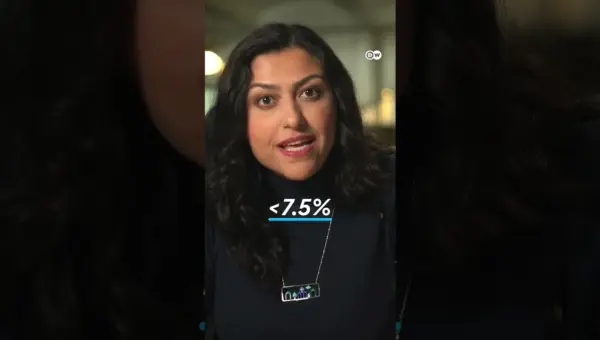
The Strait of Hormuz remains largely blocked despite Iran's claims of openness, with soaring insurance costs acting as a major deterrent for ships. Skyrocketing premiums, from less than 1% to potentially 7.5% of a vessel's value, make transit financially unviable for many. This situation impacts global oil prices and the broader economy, highlighting the complex interplay of geopolitical tensions, insurance markets, and international trade.


Iran Tensions Send Oil Prices Soaring; Farmers Seek Relief
Escalating tensions with Iran are driving oil prices higher, while U.S. troop deployments to the Middle East increase. Meanwhile, American farmers are receiving relief from rising costs through regulatory changes and support measures, as devastating wildfires impact Nebraska's cattle industry.