China’s Purge: Elite Scientists Ousted Amid Weapon Failures
Top Chinese nuclear and missile experts are being dismissed, raising concerns about weapon failures and corruption within the military. These purges echo past scandals and signal potential issues with China's defense technology. The situation highlights the challenges of rapid military modernization.

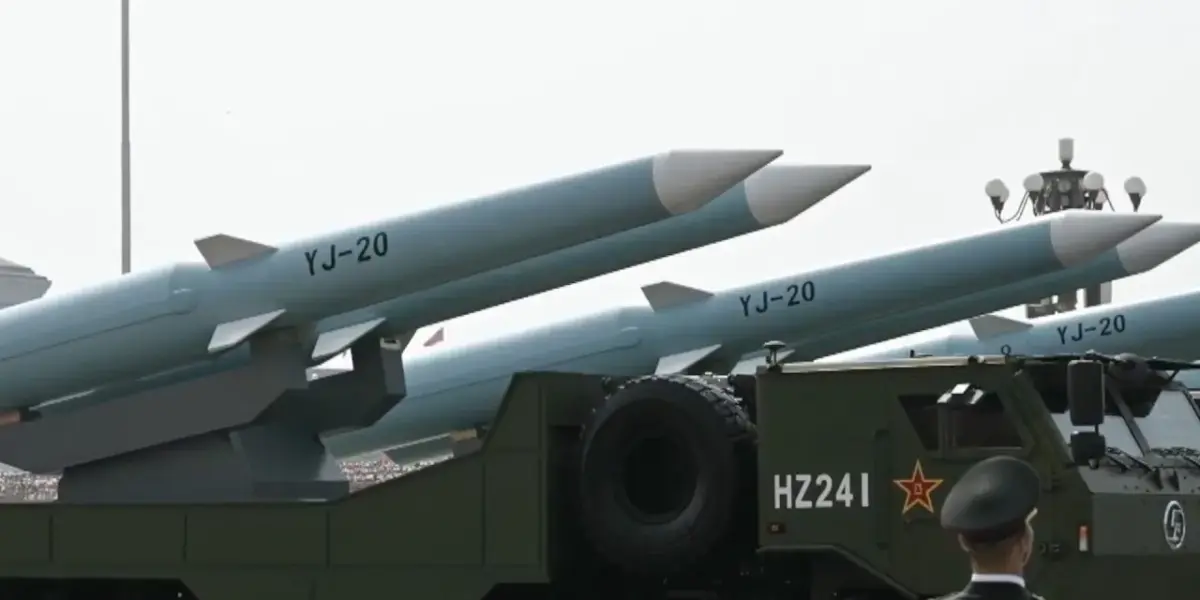
China Ousts Top Scientists Amid Weapon Woes
China’s military is facing a troubling wave of dismissals, targeting some of its most important nuclear and missile experts. Three top academics, known for their work in nuclear weapons, missiles, and radar systems, have been removed from the website of the Chinese Academy of Engineering. The Academy has not explained why these experts were let go. However, reports suggest these removals might be linked to ongoing corruption investigations.
This isn’t an isolated incident. Over the last three years, at least six other academics have lost their prestigious titles. Some experts see these dismissals as a sign of deeper problems within China’s defense industry. They believe it shows a lack of confidence in the country’s own weapons technology.
Weapons Under Fire
These personnel changes come at a time when Chinese military hardware has reportedly failed to perform as expected. For instance, a supposedly advanced anti-stealth radar system allegedly malfunctioned in Venezuela. This happened when U.S. troops were present, raising questions about its effectiveness. Additionally, surface-to-air missile batteries used by Iran were reportedly destroyed quickly by Israel and the U.S. during recent military actions.
These kinds of failures can be embarrassing and costly. They suggest that the weapons China is developing might not be as reliable or powerful as claimed. Imagine buying a new car that breaks down on the first drive; it makes you question the quality of the whole brand.
A Wider Crackdown?
Some analysts connect these dismissals to a broader military crackdown initiated earlier this year. High-ranking officials, including General Zhang Youxia, a close ally of President Xi Jinping, were removed from their posts. It’s possible that during interrogations, arrested officials confessed and implicated others, leading to a wider net being cast.
This pattern of purging officials and experts can be seen as a way to consolidate power and ensure loyalty. When people are under investigation, they might reveal more information to lessen their own punishment. This can create a domino effect, uncovering more issues and leading to more dismissals.
Echoes of the Past
The current situation brings to mind a similar scandal from 2014. At that time, reports surfaced that some of China’s missiles were not filled with rocket fuel but with water. This shocking revelation pointed to serious problems with manufacturing and quality control within the defense sector. Such incidents damage trust and raise doubts about the readiness and capability of the armed forces.
Why This Matters
The dismissal of top scientific minds and the reported failures of military equipment are significant. They raise questions about the true strength and technological advancement of China’s military. If its most advanced weapons are unreliable, it could affect China’s strategic standing and its ability to project power globally.
This also highlights the challenges faced by countries trying to rapidly modernize their militaries. Developing cutting-edge technology is difficult and expensive. Ensuring that this technology works perfectly under real-world conditions is an even bigger challenge. The pressure to innovate quickly can sometimes lead to shortcuts or mistakes.
Trends and Future Outlook
China has been investing heavily in its military modernization, aiming to become a global superpower. This includes developing advanced weapons systems like stealth aircraft, hypersonic missiles, and sophisticated radar. However, these recent events suggest that the path to achieving technological superiority is not smooth.
The focus on purging officials and experts could signal a period of internal review and restructuring within China’s defense industry. It might lead to stricter quality control measures and a more cautious approach to deploying new technologies. For other nations, these developments serve as a reminder that military strength is not just about spending money; it’s about effective research, development, and implementation.
Historical Context
China’s military, the People’s Liberation Army (PLA), has undergone significant changes since the end of the Cold War. Under President Xi Jinping, there has been a strong push to modernize the PLA and make it a world-class fighting force. This includes reforms aimed at improving efficiency, reducing corruption, and enhancing combat readiness.
However, rapid reform can sometimes uncover deep-seated issues. Corruption has been a persistent problem in many sectors in China, including the military. Scandals involving faulty equipment or mismanagement are not entirely new. The current wave of dismissals and reported weapon failures could be a consequence of these ongoing efforts to clean up the military and ensure its technological edge is real, not just perceived.
Source: Nuclear and Missile Experts in China Being Dismissed for Weapons' Operation Failure (YouTube)

Related Articles
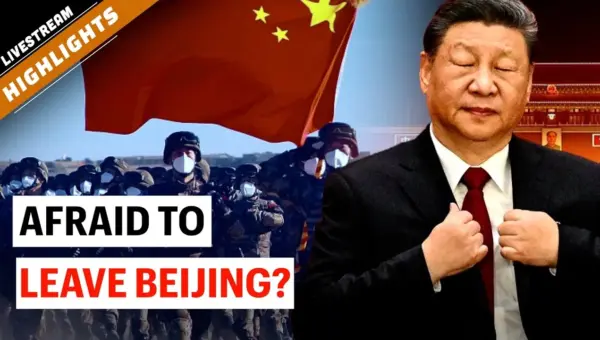
Xi Jinping Stays Home, Fuels Military ‘Blood Feud’ Fears
Xi Jinping's unusual 133-day stay in Beijing and his cautious visit to Xiongan highlight deep-seated security fears and potential military discontent. A past flood disaster involving the 82nd Group Army may fuel a "blood feud" against the leader.
DOJ Pays Millions to Ally: Is This Legal?
A $1.2 million payout from the DOJ to Mike Flynn, a former Trump ally, has sparked outrage and questions about legality and oversight. Critics fear a pattern of "grift and corruption," while calls for accountability echo historical precedents.

Trump Focuses on Economy, Not Polls, Amid Global Conflicts
Former U.S.-Iran negotiator Richard Nephew believes Donald Trump prioritizes economic stability over poll numbers when making foreign policy decisions. Nephew discusses the economic impacts of the Middle East conflict and concerns about corruption within the current administration.