Cosby Verdict Reflects ‘Me Too’ Influence on Justice
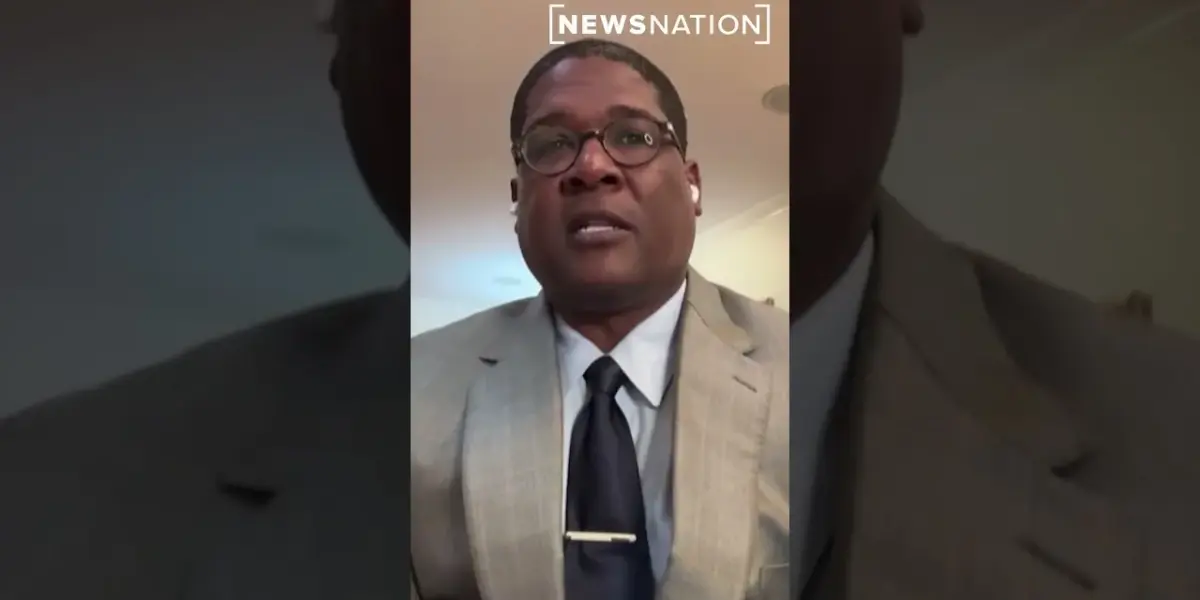
Bill Cosby's former crisis manager believes the jury's decision was influenced by the 'Me Too' movement. He argues that decades-old allegations and differing civil trial outcomes suggest public sentiment, rather than solely evidence, may have played a role. This raises questions about the impact of social movements on the justice system.

Cosby Verdict Reflects ‘Me Too’ Influence on Justice
The recent legal proceedings involving Bill Cosby have sparked debate about the influence of social movements on the justice system. A former crisis manager for Cosby suggests that the jury’s decision may have been swayed by the ‘Me Too’ movement, raising questions about how societal shifts impact legal outcomes.
A Case Built on Old Allegations
The legal case against Cosby centered on accusations dating back to 1972. The defense argued that the passage of time made a fair trial difficult, pointing to a lack of modern evidence like texts or surveillance footage. There were also no clear forensic findings from that specific time and place.
Despite these challenges, the jury found Cosby responsible. This outcome has led to concerns about setting a precedent for handling very old allegations. The crisis manager noted that such cases, especially those involving decades-old claims, can be complex and may not always result in the same kind of verdict seen in this instance.
Comparing Legal Outcomes
To illustrate the potential inconsistencies, the manager referenced a civil trial in Los Angeles in 2023. In that trial, involving accuser Judy Huff, the jury awarded $500,000. This amount is significantly different from the implications of the more recent decision, highlighting the varied outcomes possible even when dealing with similar types of accusations.
The Shadow of Social Movements
A key argument presented is that Cosby became a symbol for two major global movements. First, in 2018, he was seen as a figurehead for the ‘Me Too’ movement, which brought widespread attention to issues of sexual harassment and assault. More recently, his situation has been linked to the ongoing discussions and legal fallout surrounding the Jeffrey Epstein scandal.
The former crisis manager believes that these societal narratives may have ‘tainted’ the jury pool. This means that potential jurors might have already formed opinions based on public perception and the broader context of these movements, rather than solely on the evidence presented in court.
Potential Impact on Future Cases
The concern is that this perceived influence could affect how future cases are decided. If juries are seen as being ‘made up’ in their minds due to prevailing social narratives, it could undermine the principle of deciding cases purely on facts and evidence. This raises important questions about the balance between public opinion, social justice movements, and the impartial administration of justice.
Global Impact: Justice and Public Opinion
This situation underscores a broader trend where social movements and public opinion can intersect with the legal system. The ‘Me Too’ movement, in particular, has empowered many individuals to come forward with allegations that might have gone unheard in the past. While this has led to important accountability, it also presents challenges for the legal process.
The Epstein saga, involving serious allegations of sex trafficking and abuse, has also heightened public awareness and scrutiny of powerful individuals. When high-profile cases like Cosby’s occur against this backdrop, the lines between legal judgment and societal sentiment can become blurred. This can lead to outcomes that some believe are driven more by public pressure than by strict adherence to legal standards.
Historical Context
Historically, legal systems have strived for impartiality, separate from public outcry. However, societal values and awareness have always influenced legal interpretation and application. The ‘Me Too’ movement represents a significant cultural shift, much like previous social justice movements that eventually led to changes in laws and legal practices. The question now is how the legal system adapts to these changes while maintaining its core principles of fairness and due process.
Economic Considerations
While not directly detailed in the transcript, economic factors often play a role in high-profile cases. The ability to fund extensive legal defenses or civil suits, and the potential financial repercussions of verdicts, are always present. In Cosby’s case, his career and financial standing were significantly impacted by the allegations and subsequent legal battles, demonstrating the economic consequences tied to such public controversies.
Regional Dynamics and Power Balances
The ‘Me Too’ movement and the Epstein scandal are global phenomena, but their impact can be felt differently in various regions. Legal systems and cultural attitudes toward sexual misconduct vary worldwide. This means that the influence of these movements on justice might not be uniform, creating different dynamics in different countries or even within different states in the U.S.
Future Scenarios
One scenario is that courts and legal professionals will develop clearer guidelines for managing cases with old allegations, ensuring that evidence, not public sentiment, remains the primary basis for verdicts. Another possibility is that the influence of social movements will continue to shape jury perceptions, leading to more outcomes driven by broader societal expectations of accountability.
A third scenario involves a potential backlash, where increased awareness of potential bias leads to greater skepticism towards allegations that lack strong, contemporary evidence. The path forward will likely involve a complex adjustment period as legal systems grapple with the evolving relationship between public consciousness and the pursuit of justice.
Source: Bill Cosby's former crisis manager: Jurors 'tainted by 'Me Too' movement (YouTube)

Related Articles

Social Media’s Addiction Problem: A Legal Reckoning Looms
A recent jury verdict finding Meta and Google liable for designing addictive social media platforms for children could set a major legal precedent. This decision, drawing parallels to the tobacco industry's past struggles, signals a potential shift in accountability for tech companies. The implications could lead to significant changes in platform design and user safety measures.

Meta, YouTube Found Liable in Landmark Addiction Case
Meta and YouTube have been found liable in a landmark Los Angeles trial for intentionally designing addictive platforms that harmed a young woman. This ruling sets a precedent, potentially leading to a wave of lawsuits against social media giants and drawing comparisons to the tobacco industry's past legal battles.


DOJ Accused of Hiding Evidence in Heinous Cases
The Department of Justice is accused of a pattern of hiding evidence in cases ranging from civil litigation to fatal incidents involving federal officers. A lawsuit by Minnesota highlights the struggle for transparency and accountability when federal agencies allegedly obstruct investigations.