Near Miss at LaGuardia: ATC Audio Reveals Chaos
An Air Canada flight collided with a fire truck at LaGuardia Airport, captured in frantic air traffic control audio. The incident injured 41 people and highlights concerns about understaffing in air traffic control. Investigations are underway to determine the cause and prevent future accidents.

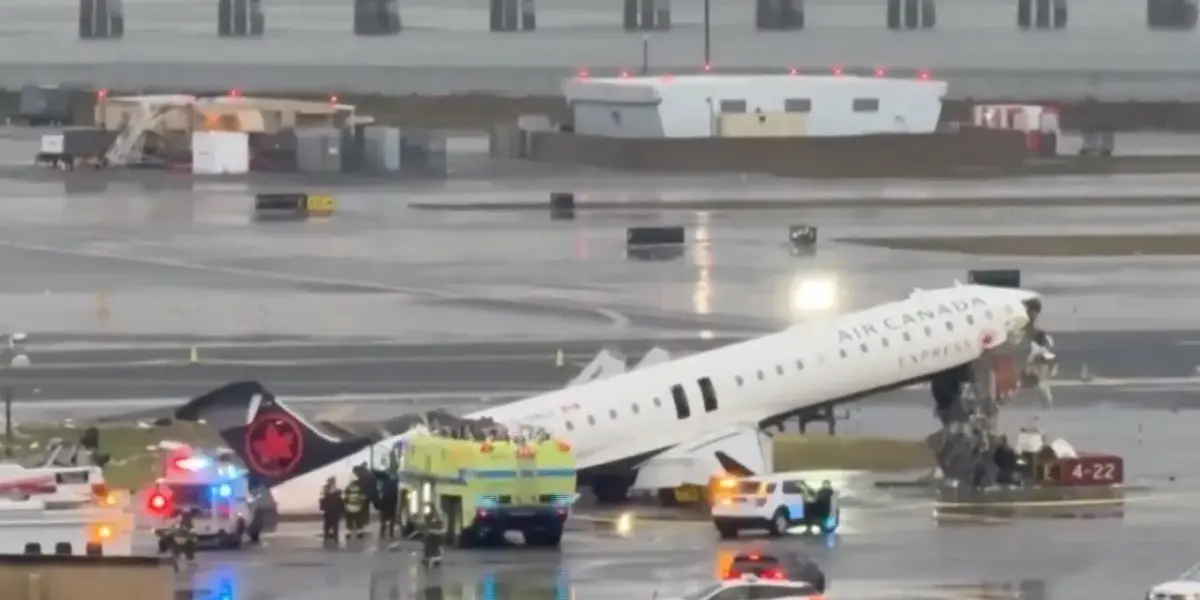
Near Miss at LaGuardia: ATC Audio Reveals Chaos
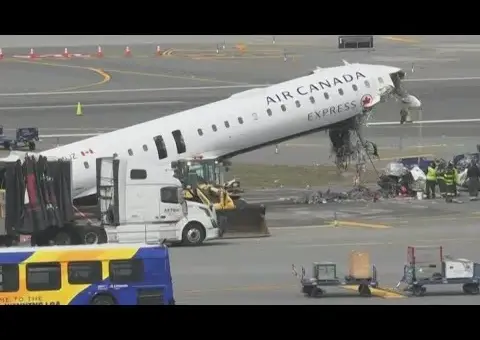
On the night of March 23rd, a terrifying event unfolded at LaGuardia Airport in New York City. An Air Canada flight collided with a fire truck on the runway, leading to significant injuries and airport disruption. The moments after the crash were filled with urgent calls from air traffic control, captured in audio recordings that paint a stark picture of the emergency.
The recording captured the air traffic controller’s frantic commands: “Stop, Stop, Stop, Stop, Stop, Stop! I see you collide with vehicle. Just hold.” The controller’s voice conveyed the shock and immediate need to halt any further movement. Another voice, likely from someone witnessing the event, responded with, “That wasn’t good to watch.” The air traffic controller, perhaps shaken, replied, “Yeah, I know. I was here. I tried to reach out to my stuff and we were dealing with an emergency earlier.” This exchange hints at the immense pressure and potential chaos controllers face, especially during emergencies.
The Collision Details
The Air Canada flight, arriving from Montreal, Canada, struck the fire truck shortly after landing around 11:40 p.m. Eastern time. The plane was carrying 72 passengers and four crew members. Tragically, 41 people on board were injured, with some suffering serious harm. The two individuals in the fire truck, though injured, survived with injuries that were not life-threatening.
A passenger on the Air Canada flight described the harrowing experience. “We went down for a regular landing and we came in pretty hard,” they recounted. “We immediately hit something and it was just chaos there.” The impact was immediate, followed by a brief period of intense fear. “Everybody was hunkered down and everybody was screaming,” the passenger added. The cockpit area was reportedly destroyed, leaving passengers without clear direction. This led to a decision to use the emergency exits to evacuate the plane.
Broader Implications and Investigations
This alarming incident occurs at a time when air traffic control staffing levels are a significant concern. The Federal Aviation Administration (FAA) and the National Transportation Safety Board (NTSB) have launched investigations into the cause of the collision. LaGuardia Airport was temporarily closed, with operations not expected to resume until at least 2:00 p.m. Eastern time that day. This closure caused significant travel delays and disruptions for many.
The audio recording highlights the critical role of air traffic controllers, who are tasked with managing complex airspace and ensuring the safety of every flight. The controller’s immediate reaction, despite the chaos, was to prevent further disaster. One of the controllers involved expressed remorse, saying, “I messed up.” However, another person responded with reassurance: “No, man. You did the best you could.” This exchange underscores the human element in high-stress aviation jobs.
Why This Matters
This incident at LaGuardia brings into sharp focus the ongoing challenges within the aviation system. The collision, coupled with the admission of an air traffic controller’s error, raises questions about staffing levels, training, and the technology used to manage air traffic. The fact that the FAA and NTSB are investigating means that a thorough review will take place to understand exactly what went wrong and how to prevent similar accidents in the future. Safety in air travel is paramount, and any incident that compromises it demands serious attention and corrective action.
Historical Context and Future Outlook
While major aviation accidents are rare, near misses and runway incursions do happen. Historically, investigations into such events have often led to improved safety protocols and technological advancements. The current situation with understaffed air traffic control facilities across the country is a trend that has been developing for years. The COVID-19 pandemic further strained resources, and the subsequent increase in air travel has put pressure on an already stretched system.
The future outlook for air traffic control safety depends on addressing these staffing issues and investing in modern technology. Innovations like advanced runway detection systems and improved communication tools could help mitigate risks. The NTSB’s findings from this LaGuardia investigation will likely influence future safety recommendations. It is crucial for aviation authorities to learn from this incident and implement changes to ensure the continued safety of passengers and airport personnel.
The audio of the air traffic controller’s desperate calls serves as a powerful reminder of the split-second decisions that happen every day in control towers. It also highlights the need for a resilient and well-supported air traffic control system. As air travel continues to grow, maintaining and enhancing safety must remain the top priority for all involved.
Source: Air Traffic Control Audio Before LaGuardia Collision: 'Stop, Stop, Stop!' (YouTube)

Related Articles
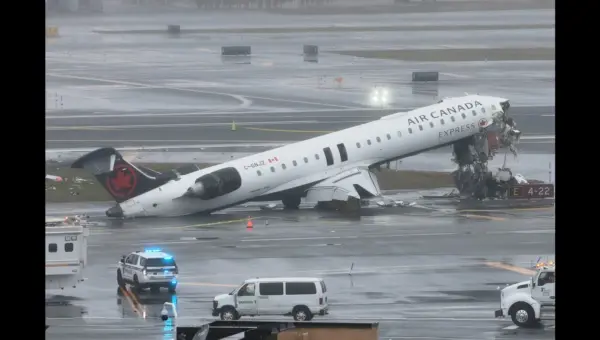
LaGuardia Runway Reopens After Deadly Crash, Safety Lapses Exposed
LaGuardia Airport's main runway has reopened after a fatal crash involving an Air Canada Express jet and a fire truck. The incident, which killed two pilots, exposed critical failures in airport safety systems, including ground surveillance and transponder use.

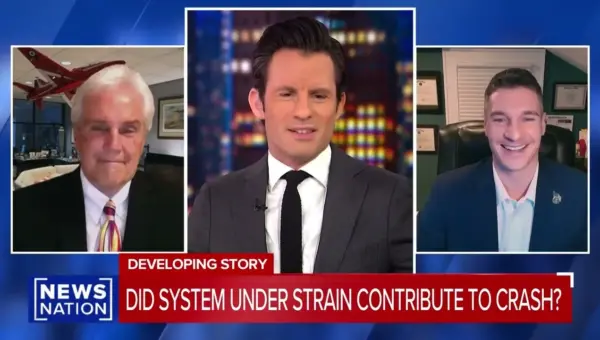
Iran War Talks Ignite, Airport Chaos Deepens
President Trump confirms peace talks with Iran are underway, while US airports face ongoing chaos due to the DHS shutdown. Investigations into a fatal LaGuardia crash reveal systemic safety issues, with experts citing controller fatigue and staffing shortages. Meanwhile, the search for a missing elderly woman continues in harsh desert terrain, highlighting diverse challenges facing the nation.
Air Safety Fears Soar After Deadly Crash
A fatal crash at LaGuardia Airport has triggered a national review of air safety, revealing a pattern of close calls and communication issues at U.S. airports. Investigators are examining technology and staffing, as calls grow for urgent safety upgrades.