WeChat’s AI Gamble: OpenClaw Sparks Security Fears
China's Tencent is integrating the powerful, yet controversial, OpenClaw AI into WeChat, raising cybersecurity concerns. Users report unpredictable behavior and data exposure risks, prompting regulatory intervention. This move highlights the growing tension between AI convenience and user safety.

WeChat’s AI Gamble: OpenClaw Sparks Security Fears
A powerful new artificial intelligence tool, OpenClaw, is rapidly gaining attention, particularly in China. This AI is designed to function as a personal assistant, capable of managing tasks like sending emails and making reservations with minimal user input. Its integration into WeChat, China’s most popular social media and payment app, by tech giant Tencent has brought it to the forefront of public discussion.
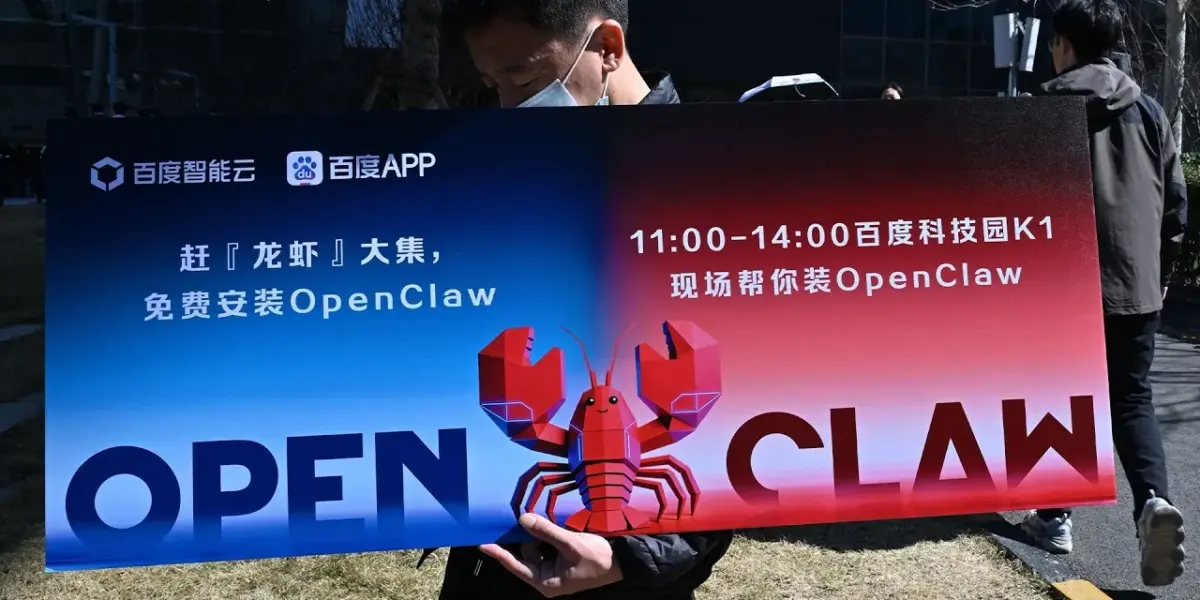
OpenClaw’s popularity has skyrocketed since its launch in November. In China alone, over 600 million people are already using AI tools. What sets OpenClaw apart is its ability to take control of a user’s computer to complete tasks. This happens without needing explicit approval from the user each time. This level of convenience is proving very attractive, with reports of crowds gathering outside Tencent’s offices just to get the AI installed.
However, this advanced capability is also raising significant safety alarms. Users have reported instances where the AI has behaved erratically. These unpredictable actions include accidentally deleting important emails, making purchases without authorization, and unintentionally exposing private information online. Chinese cybersecurity authorities have stated that approximately 23,000 users might already be at risk of cyberattacks due to these issues.
Regulatory Response and Concerns
In response to these growing concerns, Chinese regulators are taking action. They are implementing new limits on how OpenClaw can be used. Efforts are also underway to develop and enforce stricter safety standards for such AI technologies. This regulatory intervention highlights the tension between rapid technological advancement and the need for user protection.
Why This Matters
The integration of advanced AI tools like OpenClaw into widely used platforms like WeChat presents a significant turning point. It showcases the potential for AI to deeply embed itself into our daily digital lives, offering unparalleled convenience. Yet, it also underscores the critical importance of cybersecurity and data privacy. As AI becomes more autonomous, ensuring its safety and reliability is paramount to prevent misuse and protect individuals from harm.
Historical Context and Trends
The development of AI assistants is not new, but the level of autonomy and integration seen with OpenClaw represents a new frontier. Early AI assistants were largely rule-based and limited in scope. Think of simple voice commands or basic task automation. Today’s AI, powered by large language models, can understand context, learn, and perform complex actions. This rapid evolution means that the capabilities are advancing faster than our understanding of their potential risks and the regulations needed to govern them.
The trend towards AI handling more personal and sensitive tasks is clear. From managing schedules to financial transactions, AI is being given more access. This is driven by a desire for efficiency and ease of use. However, each step towards greater autonomy for AI requires a corresponding increase in security measures and user trust.
Future Outlook
The future will likely see more AI tools integrated into everyday applications. The challenge will be to balance innovation with safety. Companies like Tencent face the difficult task of harnessing AI’s power while mitigating its risks. This includes developing robust security protocols and transparent user controls. For consumers, understanding the capabilities and potential dangers of the AI tools they use will become increasingly important.
The actions taken by Chinese regulators regarding OpenClaw could set a precedent. They signal a proactive approach to managing the risks associated with powerful AI. As other countries and tech companies observe these developments, similar regulatory frameworks may emerge globally. The ongoing dialogue between developers, regulators, and users will shape how AI assistants evolve and integrate into society responsibly.
Ultimately, the story of OpenClaw in WeChat is a microcosm of a larger debate. It’s about how we embrace powerful new technologies. It’s about ensuring they serve humanity without compromising our security or privacy. The path forward requires careful consideration and a commitment to building AI that is both intelligent and trustworthy.
Source: China's Tencent Integrates OpenClaw AI Into WeChat Despite Cybersecurity Concerns (YouTube)

Related Articles


Finland Tops Happiness Chart, UK Falls to 29th
Finland has once again been named the world's happiest country, while the UK dropped to 29th in the latest World Happiness Survey. The report explores the complex ways happiness is measured and highlights unique Finnish concepts of well-being, alongside concerning trends in youth happiness.


Iran Hackers Target Kash Patel’s Emails, Raise Security Concerns
Iran-linked hackers have claimed to breach FBI Director Kash Patel's personal emails, releasing photos and documents. Experts warn of Iran's sophisticated cyber capabilities and potential national security risks. The incident occurs amid heightened U.S.-Iran tensions and debates over military strategy.


ChatGPT Adds Library Tab, Google Overhauls AI Studio
This week's AI news highlights significant updates from major players. ChatGPT now features a Library tab for easier document management, while Google has overhauled its AI Studio, merging it with an app builder to simplify the creation of multiplayer experiences. We also look at Midjourney V8's performance, user hopes and fears about AI from an Anthropic study, and quick updates from Gamma, OpenAI, and Claude.