ICE at Airports: Americans Divided on Security vs. Rights
Americans are divided on President Trump's plan to deploy ICE agents at airports. Some see it as a vital security measure, while others fear it infringes on rights and blurs agency roles. This debate highlights the tension between public safety and civil liberties.

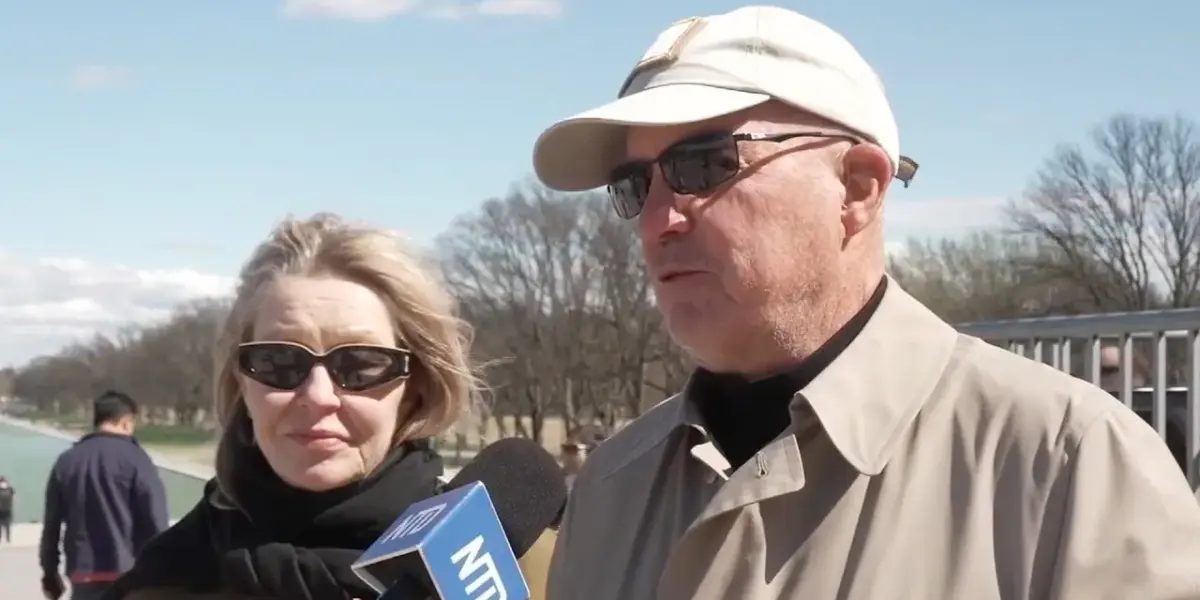
ICE at Airports: Americans Divided on Security vs. Rights
President Trump’s plan to put Immigration and Customs Enforcement (ICE) agents in airports to help the Transportation Security Administration (TSA) has sparked strong opinions across the country. While some see it as a necessary step to boost security and fill staffing gaps, others worry about the potential for harassment and a shift away from ICE’s core mission. This debate highlights a deeper question: how do we balance safety with civil liberties in public spaces?
Public Voices on the Ground
To understand how everyday Americans feel, NTD’s Sam Wong spoke with people on the National Mall in Washington D.C. The responses showed a clear split. Many people supported the idea, seeing it as a practical way to improve safety. One person stated, “I think that’s a great idea. We’ve already got them there. They’re paid. We need to buckle down and make this country safer.” This view suggests a belief that ICE agents, already government employees, could be put to productive use to address current security needs.
Another common sentiment was that if ICE agents are available, they should be utilized. “I think it’s a good idea. I mean, if they’re available, why not?” was a typical response. Some saw it as a way to keep agents busy with meaningful work. “Keeps them off the streets. Um has them do something productive. that’s fine,” one person commented, comparing it to sending in the National Guard. This perspective frames the deployment as a logical allocation of resources, ensuring that trained personnel are engaged in tasks that benefit the public.
Concerns About Mission Creep
However, not everyone shared this optimistic view. Concerns were raised about the potential for ICE agents to overstep their authority or harass innocent travelers. “If they’re there to help people, that’s fine. But if they’re there to harass people and hurt people, then I don’t want to pay for that,” one individual expressed. This highlights a fear that the presence of ICE, an agency focused on immigration enforcement, could lead to profiling or undue scrutiny of travelers, especially those who might appear to be immigrants.
A more pointed concern focused on the specific role ICE would play. “I suppose the question is, is is ICE operating in the capacity of ICE’s normal duties? Are they seeking out, you know, uh people that possibly have violated immigration law? Or are they just trying to help people get through the lines is what would make a big difference,” one person asked. This suggests that for some, the effectiveness and appropriateness of the deployment depend entirely on whether ICE agents are acting solely as security assistants or if they are using the airport setting to conduct immigration enforcement.
Broader Implications and Political Divides
Some supporters of the ICE presence expressed strong political views, linking it to broader national security and immigration debates. One interviewee stated, “Look, I want ICE agents at the polling centers this time around for the midterms.” This sentiment, while extreme, reflects a desire for visible law enforcement presence in various public settings, driven by a perceived need for order and control. The idea of using ICE to alleviate TSA shortages was also mentioned as a practical benefit.
Those who opposed the idea were urged to reconsider their stance by some supporters. “Wake up. Grow up. You don’t quit voting Democrat,” one person advised, suggesting a political motivation behind the opposition. Another counterpoint was, “If you don’t like it, like staying home is an option,” which implies that individuals uncomfortable with enhanced security measures should simply avoid public travel.
Why This Matters
The debate over ICE presence at airports touches on fundamental issues of public safety, government authority, and individual rights. On one hand, there’s a clear desire among many citizens for increased security, especially in light of perceived threats and staffing shortages at critical points like airports. The idea of using existing government personnel to fill these gaps is appealingly efficient to many.
On the other hand, the deployment of an immigration enforcement agency into a civilian security role raises valid concerns. ICE’s primary mission involves enforcing immigration laws, which can involve detaining and deporting individuals. Introducing these agents into spaces where millions of people travel daily could lead to a chilling effect, making travelers, particularly those from minority groups or with uncertain immigration status, feel constantly under surveillance. It blurs the lines between a security screening process and immigration enforcement, potentially eroding trust and creating fear.
Historical Context and Future Outlook
Historically, federal law enforcement agencies have assisted in security roles during times of crisis or when civilian agencies faced overwhelming demand. For example, the National Guard has been deployed for various public safety missions. However, the specific deployment of ICE, an agency with a distinct and often controversial mandate, into the TSA’s primary domain is a newer development. This move reflects a broader trend in recent years to enhance border security and interior enforcement, often by reallocating resources and personnel from different government departments.
The future outlook for such deployments remains uncertain. Public opinion is divided, and the effectiveness and legality of these operations will likely face ongoing scrutiny. If these deployments become more common, we could see further debates about the appropriate roles of different government agencies and the impact on civil liberties. The key challenge will be to ensure that any measures taken to enhance security do not come at the expense of fundamental rights or create a climate of fear and suspicion among the traveling public.
Source: Citizens Weigh in: Ice Presence at US Airports (YouTube)

Related Articles
TSA Workers Get Paid After Record Absences
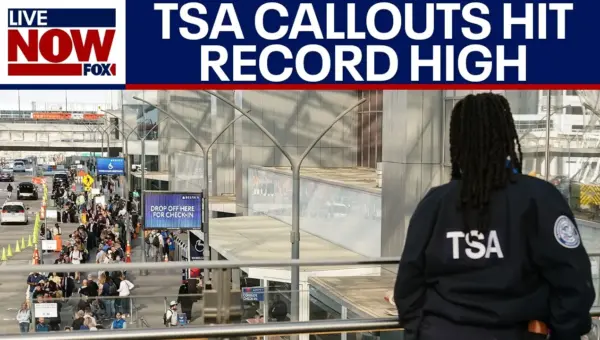
TSA agents will finally receive paychecks after working nearly six weeks without salary, following a directive from President Trump. Record high absences had strained airport operations and caused significant passenger delays. The situation has sparked calls for better protections for essential workers during government shutdowns.
House Rejects Senate Bill, Citing Border Security Funding Gaps
House Republicans are rejecting a Senate funding bill, arguing it lacks essential appropriations for ICE and CBP, threatening anti-trafficking efforts and border security. They plan to pass a short-term measure to force renewed negotiations.


Markets Tumble Amid Iran Tensions and Shutdown Gridlock
Wall Street experienced a significant slide today, with the Dow and Nasdaq entering correction territory, driven by escalating tensions with Iran and market uncertainty. Meanwhile, a government shutdown continues to cause chaos at airports nationwide, leaving thousands of workers unpaid and travelers facing long delays. The global energy supply is also under pressure, impacting prices and availability worldwide.