ICE Agents Can Enforce Laws at Airports, Ex-Judge Explains
A former immigration judge explains that ICE agents already possess broad federal law enforcement powers, including at airports where they can assist TSA. The discussion also covers the debate over judicial warrants for home entries.

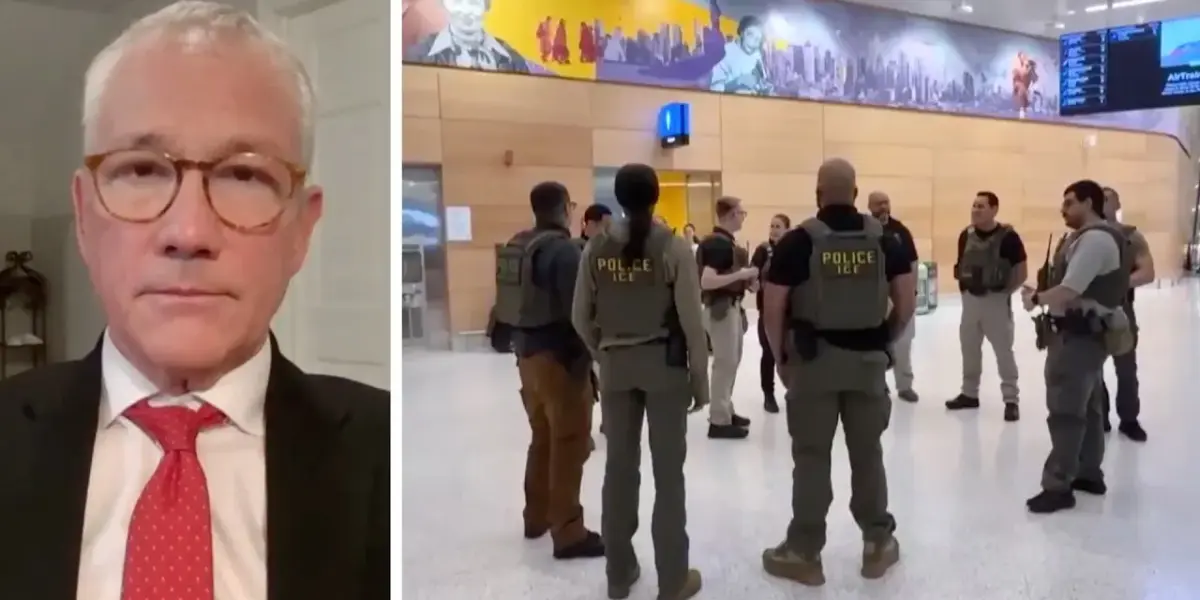
ICE Agents Already Work at Airports, Possess Broad Powers
Immigration and Customs Enforcement (ICE) agents already have a presence at many U.S. airports. Their work often involves ensuring security and stopping illegal goods or people from entering the country. This is a key part of Homeland Security Investigations. A former immigration judge, Andrew Arthur, explained that ICE officers are authorized to enforce federal laws. He noted that this authority includes general arrest powers, which came up in discussions about events in Minneapolis.
Arthur stated that ICE agents can provide security at airports and already do so. He believes it makes sense for ICE to help the Transportation Security Administration (TSA) agents. This collaboration is seen as a logical extension of their existing duties.
Full Law Enforcement Authority Extends to Airports
ICE agents maintain their full federal law enforcement powers when they are at airports. This means they can question individuals about their immigration status. They also have the authority to arrest people for crimes committed in their presence. Examples include trying to bypass security checkpoints or running through them. These actions are considered federal crimes. ICE can enforce these laws under their general arrest authority.
The president does not need to grant them extra power for this. The Secretary of Homeland Security also has the authority to move agents and officers between different duties within the department. Since both TSA and ICE are part of the Department of Homeland Security (DHS), such reassignments are possible.
Powers at Security Checkpoints
When you go through a TSA checkpoint, you essentially give up some of your Fourth Amendment rights against searches and seizures. For example, TSA agents often open bags to check for prohibited items. Arthur compared this to needing to show your bag when carrying something like collar stays, which TSA agents might check to ensure it’s not a weapon.
You are not required to go through a TSA checkpoint. However, you cannot fly if you refuse to do so. This means that federal officers, including ICE agents, can check baggage, maintain order, and arrest suspects at airports. This is the same authority they already possess.
TSA Remains the Lead Agency
Even with ICE present, the TSA remains the primary agency in charge at airports. ICE agents would not act independently of TSA directives. The actual inspection process at checkpoints is not something ICE officers are trained for. It is a different law enforcement duty.
While ICE officers can perform these duties, they would do so under the direction of senior TSA officials. Arthur pointed out that senior TSA agents are easily identifiable, often by gold stars on their uniforms. These senior officials would be the ones ICE agents take direction from.
Debate Over Warrants for ICE Home Entries
A discussion arose regarding demands from some Democrats to require judicial warrants for ICE agents to enter homes. Currently, ICE can sometimes rely on administrative warrants and deportation orders. These are for individuals who have already gone through the legal system and are facing deportation.
Arthur explained that it is legally arguable that an ICE-issued warrant is sufficient for these cases. However, during his confirmation hearing, the nominee for DHS Secretary, Alejandro Mayorkas, stated he would require judicial warrants for ICE to enter residences. Arthur described this as a political decision, acknowledging it falls into a legal gray area.
Exceptions to Warrant Requirements
There are always exceptions to warrant requirements, even in criminal cases. For instance, if a suspect is fleeing into a home, officers in hot pursuit can follow them inside. Also, if someone inside the home gives officers permission to enter, a judicial warrant is not needed.
Arthur noted that warrants are an important part of the Fourth Amendment. However, many legal situations allow officers to enter a home without one. He reiterated that Secretary Mayorkas’s stance on seeking judicial warrants is likely a political move.
Why This Matters
The explanation from former immigration judge Andrew Arthur clarifies the existing powers of ICE agents. It shows they already possess significant authority at airports and can enforce federal laws. This is important for understanding the scope of their duties and potential collaborations with other agencies like the TSA.
The discussion about warrants highlights a key point of contention in immigration policy. While legal arguments exist for using administrative warrants, the move towards requiring judicial warrants for home entries represents a shift. This shift is influenced by political considerations and aims to address concerns about civil liberties. The exceptions to warrant requirements also underscore the complex nature of law enforcement procedures.
Implications and Future Outlook
The ability of ICE to assist TSA at airports suggests a potential for increased security measures or a more visible law enforcement presence in travel hubs. This could lead to more efficient processing or a greater perceived sense of security for travelers.
The debate over judicial versus administrative warrants for home entries points to ongoing policy discussions. If judicial warrants become the standard, it could impact the speed and methods of immigration enforcement operations. However, the exceptions to warrant rules mean enforcement actions will still occur in specific circumstances without prior judicial approval. These discussions reflect the balance between national security, law enforcement needs, and individual rights.
Historical Context
ICE was established in 2003 as part of the Department of Homeland Security following the September 11th attacks. Its mission is to protect the nation from threats by enforcing the nation’s immigration and customs laws. The agency combines the investigative and enforcement functions of several former agencies.
The authority for federal law enforcement officers to enforce laws and make arrests is rooted in various statutes, including the Immigration and Nationality Act. Section 287 of this act specifically grants immigration officers the power to arrest individuals suspected of violating immigration laws. The use of administrative warrants has a long history in immigration enforcement, though the specific requirements have evolved over time and are subject to legal challenges and policy changes.
Source: ICE Has Authority to Enforce Federal Law, Including at Airports: Former Immigration Judge (YouTube)

Related Articles
TSA Workers Get Paid After Record Absences
TSA agents will finally receive paychecks after working nearly six weeks without salary, following a directive from President Trump. Record high absences had strained airport operations and caused significant passenger delays. The situation has sparked calls for better protections for essential workers during government shutdowns.
House Rejects Senate Bill, Citing Border Security Funding Gaps
House Republicans are rejecting a Senate funding bill, arguing it lacks essential appropriations for ICE and CBP, threatening anti-trafficking efforts and border security. They plan to pass a short-term measure to force renewed negotiations.

TSA Funding Fight Sparks Airport Chaos, Worker Exodus
TSA officers will soon receive back pay after President Trump signed an emergency order, but the ongoing congressional funding fight continues to cause airport chaos. Long security lines and a significant number of TSA officer resignations highlight the deep divisions over border security measures, leaving travelers frustrated.