SCOTUS Shields Officials, Cites Journalist’s ‘Benefit’
The Supreme Court declined to hear an independent journalist's appeal after she was arrested for publishing victim identities obtained from a police officer. The court's decision upholds legal immunity for officials, raising concerns for journalistic freedom. Separately, an appeal from death row inmate Rodney Reed was also rejected.

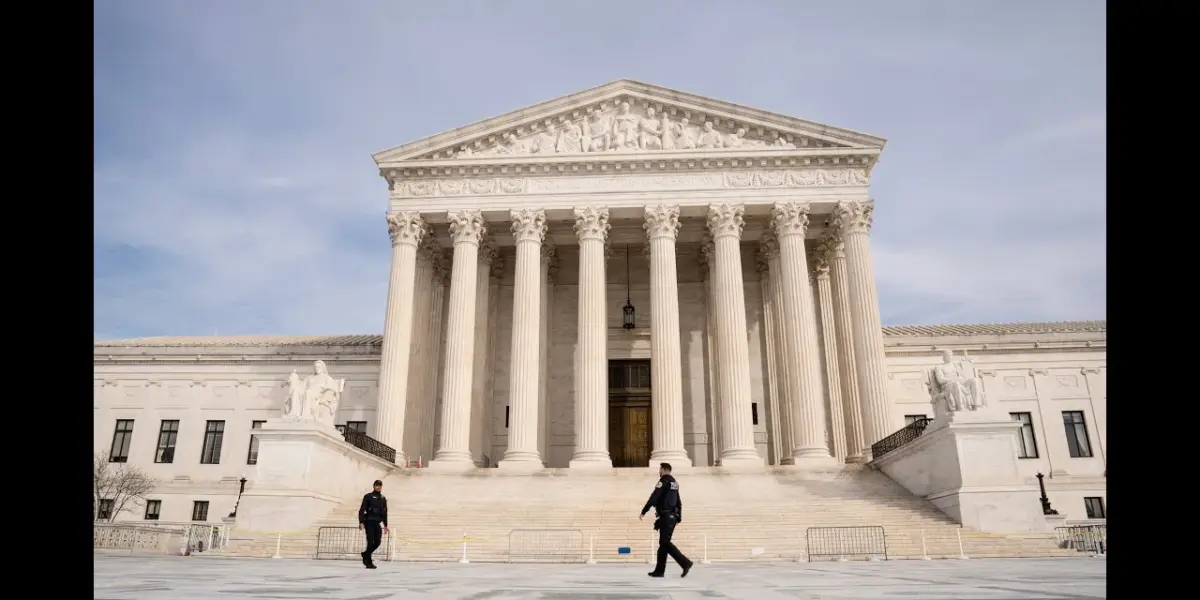
Supreme Court Limits Journalist’s Reach in Arrest Case
The highest court in the United States, the Supreme Court, has turned away an appeal from an independent journalist. This journalist argued that she was wrongly arrested for her reporting. The case centers on information published in 2017. She faced charges for misusing information, specifically two felony counts.
Publishing Victim Identities Sparks Legal Battle
Priscilla Villarreal, an independent journalist, published the names of people who had died in suicides and car crashes on Facebook. She got this non-public information by talking to a police officer in Laredo, Texas. Texas law makes it illegal to ask government officials for private information if you plan to gain something from it. Prosecutors claimed Villarreal used the victim details to gain more followers on her social media page. A judge initially dismissed the case. However, Villarreal then sued the officials involved, seeking damages for her arrest.
Legal Immunity Protects Officials in Journalist’s Lawsuit
An appeals court later decided that the officials Villarreal sued had legal immunity. This means they could not be sued for their actions in this situation. Now, the Supreme Court has refused to hear her appeal, effectively upholding the lower court’s decision. This ruling means officials are protected from lawsuits in this instance. The court’s decision raises questions about the balance between protecting public officials and holding them accountable.
Broader Implications for Journalism and Public Records
This case touches on important issues for journalists and the public. It highlights the tension between a journalist’s right to gather and publish information and laws that protect sensitive data. The legal principle of immunity for government officials can make it difficult for individuals to seek justice when they believe their rights have been violated. This is especially true for independent journalists who may not have the backing of larger news organizations.
Why This Matters
The Supreme Court’s decision not to hear Villarreal’s case has significant consequences. It could make it harder for journalists to challenge actions taken against them by officials, even if they believe those actions were unlawful. The ruling reinforces the idea that government officials often have legal protection, which can shield them from lawsuits. This might discourage journalists from pursuing stories that involve sensitive government information, fearing potential legal repercussions. The public’s access to information, often facilitated by investigative journalism, could be indirectly affected.
Historical Context and Trends
Historically, journalists have faced challenges in accessing information and have sometimes been targeted for their work. Laws regarding the protection of non-public information are designed to prevent misuse and protect privacy. However, these laws can sometimes be interpreted in ways that limit journalistic inquiry. The concept of qualified immunity for government officials has also been a subject of ongoing debate. It is meant to allow officials to do their jobs without fear of constant lawsuits, but critics argue it can be too broad and protect misconduct.
Future Outlook
The Supreme Court’s rejection of this appeal suggests a cautious approach to expanding the ability to sue government officials. It emphasizes the existing legal protections afforded to them. For journalists, this means continuing to navigate a complex legal environment. They must balance the public’s right to know with laws designed to protect sensitive information and officials’ duties. Future cases may further clarify the boundaries of journalistic freedom and official accountability.
Rodney Reed Case Also Dismissed
In a separate matter, the Supreme Court also rejected an appeal from Rodney Reed. Reed is a Texas inmate on death row. He has been seeking to test evidence from the crime scene. Reed claims this evidence would prove his innocence in a 1996 murder case. His appeal was also denied by the justices, meaning the legal avenues for him to test the evidence are now closed at this level.
Source: SCOTUS Rejects Independent Journalist’s Lawsuit Appeal (YouTube)

Related Articles

Jane Fonda Warns of ‘Existential Crisis’ Amid Protests
Jane Fonda has issued a stern warning about widespread attacks on the First Amendment, urging Americans to defend their freedoms. The veteran activist highlighted the growing number of large-scale protests as a sign of public concern and a crucial opportunity to address both democratic erosion and the climate crisis.

Savannah Guthrie Returns to TODAY After Family Ordeal
Savannah Guthrie is set to return to the TODAY show on April 6th following a period of hardship after her mother's kidnapping. She has shared a heartfelt message to the abductor and spoken about her family's resilience. Guthrie plans to find joy as a form of protest upon her return.
DOJ Probe into Brennan Intensifies Amidst ‘Conspiracy’ Claims
The DOJ's investigation into former CIA Director John Brennan is intensifying, focusing on allegations of lying during congressional testimony. House Judiciary Chair Jim Jordan highlighted concerns about potential censorship of political speech amidst these probes.