Iran Talks Signal Calm, But Economic Strength Underpins Peace
Markets reacted positively to news of a pause in potential strikes on Iran, signaling de-escalation. The US's dominant energy production plays a key role in stabilizing global prices. President Trump's deal-making tactics and firm stance on non-negotiable issues like nuclear weapons are central to the ongoing situation.

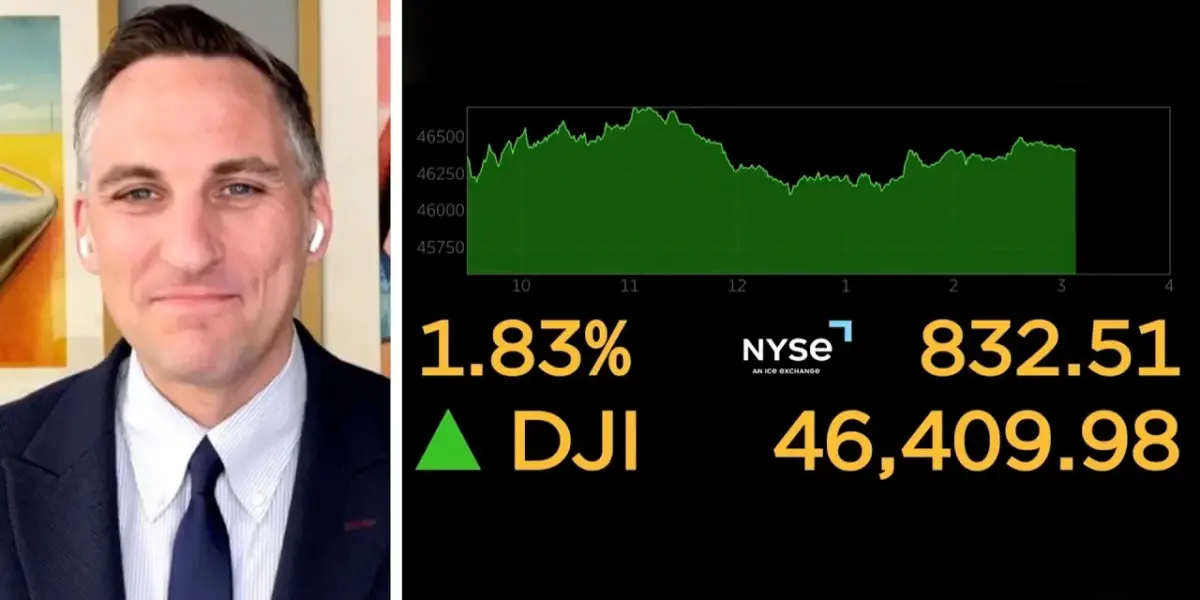
Markets Cheer Iran Truce Amid Economic Power Play
Financial markets have breathed a sigh of relief as news emerged of a temporary halt to potential strikes on Iran’s energy infrastructure. This five-day pause, coupled with reports of productive talks, has led to a drop in oil prices. An economic expert suggests this development is a positive sign, indicating that a de-escalation of conflict can directly influence market stability and consumer costs.
Trump’s Negotiating Stance Shines
The situation highlights President Trump’s current position of strength. His public statements about ongoing positive talks with Iran were met with a denial from Iran, a move seen by some as a sign of weakness or an attempt to regain control. This dynamic suggests Iran has limited options, especially after significant damage to its military capabilities.
The expert emphasizes that President Trump’s willingness to engage in dialogue, even amid high tensions, is a measured approach. This contrasts with Iran’s history of making questionable claims, such as faked videos of downed fighter jets. Therefore, any statements from Iran should be viewed with caution.
US Energy Dominance as a Stabilizing Force
Crucially, the expert points out that America’s current economic leverage, particularly its energy production, plays a significant role. The US is producing an impressive 24 million barrels of oil per day, surpassing both Saudi Arabia and Russia combined. This domestic strength allows the US to maintain stable energy prices, unlike the spikes seen in previous years.
This policy of energy dominance is not just about military might; it’s about economic power. It allows the US to navigate global uncertainties without severe domestic price shocks. Iran, the expert notes, is aware of this significant advantage held by the United States.
Global Energy Flows and Allies’ Roles
The Strait of Hormuz is a critical global chokepoint for oil transport. While the US is energy independent, many other nations, including Japan, China, and Europe, rely heavily on this route for their energy supplies. Disruptions here directly impact global oil prices, affecting everyone.
The expert explains that while the US has an interest in keeping these shipping lanes open, it’s not solely its responsibility. Historically, the US has eased sanctions on countries like Iran and Russia to encourage more oil flow into the global market, which benefits everyone, including Americans. However, the expert also calls on allies to step up and contribute more to securing these vital energy routes.
Strategic Delays: A Dealmaker’s Tactic
President Trump’s approach to negotiations, including the initial 48-hour ultimatum regarding the Strait of Hormuz followed by a five-day delay, is described as characteristic of his deal-making style. Similar tactics were observed with tariff negotiations, where pauses and adjustments were common.
This flexibility, the expert believes, shows a commitment to finding a resolution. It signals a willingness to talk and negotiate, which is precisely what markets respond well to. The key is that the pause does not mean a cessation of all military actions; rather, it specifically targets critical infrastructure like power and desalination plants, allowing for continued pressure while keeping diplomatic channels open.
The Stakes: No Nuclear Weapons, No Missiles
The core issues driving the conflict remain non-negotiable for the US. These include preventing Iran from acquiring nuclear weapons and developing long-range ballistic missiles, as well as ending its sponsorship of terrorism. These are absolute red lines that President Trump will not compromise on.
The expert likens President Trump’s negotiation style to a real estate deal, where he has a clear objective and aims to achieve it. Iran, facing significant military and economic pressure, is expected to eventually agree to these terms, even if it means making concessions it would rather avoid.
Regime Change and Global Security
The prospect of regime change in Iran is viewed positively from a market and global security perspective. A stable Middle East, free from Iran’s state-sponsored terrorism and funding of groups like Hezbollah, would benefit everyone. It would also make Americans feel safer.
Globally, President Trump is seen not only as trusted by allies but also feared by adversaries like China and Russia. This situation is a significant moment, demonstrating strong leadership that commands respect and caution from global powers.
Source: Postponement of Strikes on Iran Infrastructure ‘A Welcome Sign to the Market’: Economic Expert (YouTube)

Related Articles

Stocks Ignore War Risks, Focus on “Taco Moments”
Stock markets appear to be overlooking the severe supply chain risks stemming from the Iran conflict, focusing instead on potential diplomatic de-escalations. While the S&P 500 shows resilience, bond and commodity markets signal deep concern over disruptions to critical resources like LNG, helium, and fertilizers.

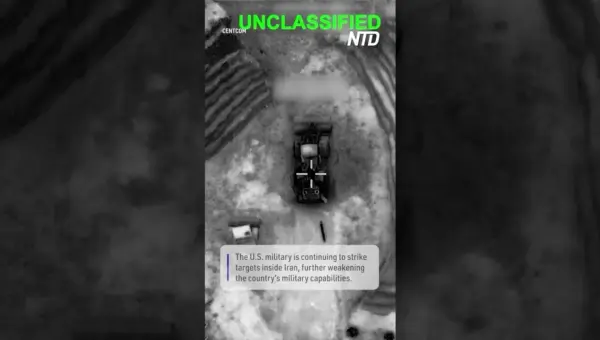
US Strikes Cripple Iran’s Military Might, CENTCOM Reports
U.S. Central Command reports ongoing strikes inside Iran are significantly weakening its military power. This direct action aims to reshape regional security dynamics, but carries risks of escalation. The long-term impact depends on Iran's response and ability to adapt.

U.S. Iran Tensions Rise Amid Shifting Alliances
Rising tensions between the U.S. and Iran are creating a volatile geopolitical situation. With conflicting signals on de-escalation and potential shifts in alliances like NATO and U.S.-Israel relations, the path forward remains uncertain. The global economy and regional stability hang in the balance.