Air Canada Crash Exposes Critical Safety Flaws
A fatal collision between an Air Canada flight and a fire truck at LaGuardia Airport highlights serious concerns about understaffed air traffic control. The incident resulted in pilot fatalities and numerous injuries, prompting investigations and renewed calls for safety improvements.

Air Canada Crash Exposes Critical Safety Flaws
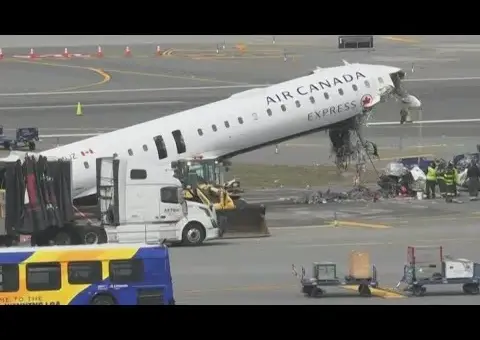
A terrible accident at LaGuardia Airport last night has brought a stark reality into focus: the dangers of an understaffed air traffic control system. An Air Canada flight collided with a fire truck on the runway, killing two pilots and injuring many others. This event, captured in chilling air traffic control audio, raises serious questions about aviation safety.
Chaos on the Runway
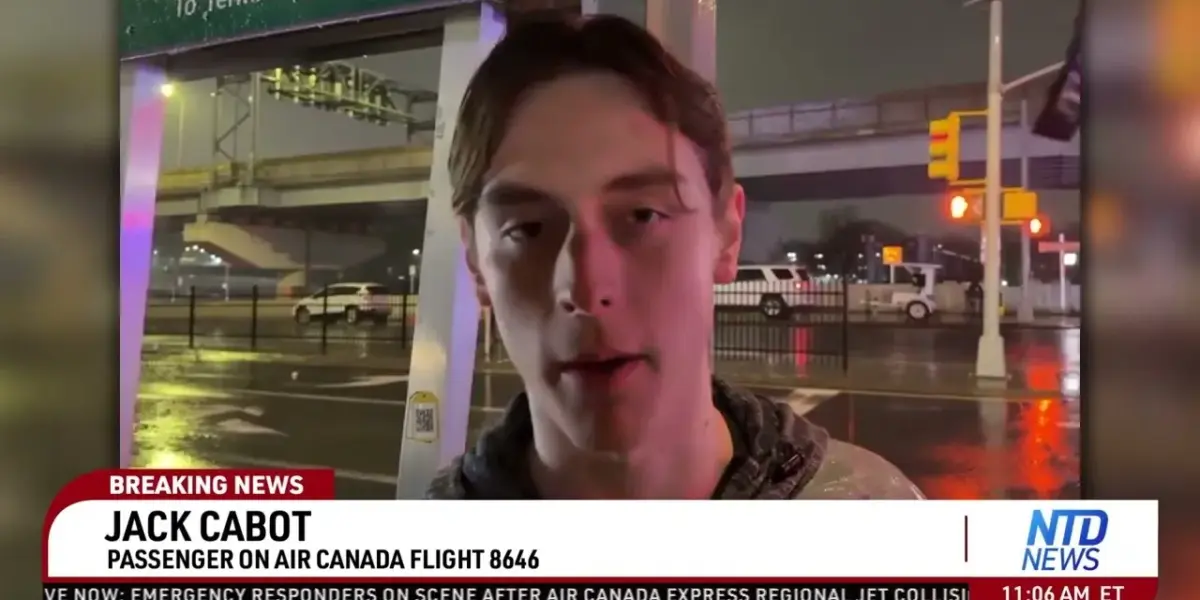
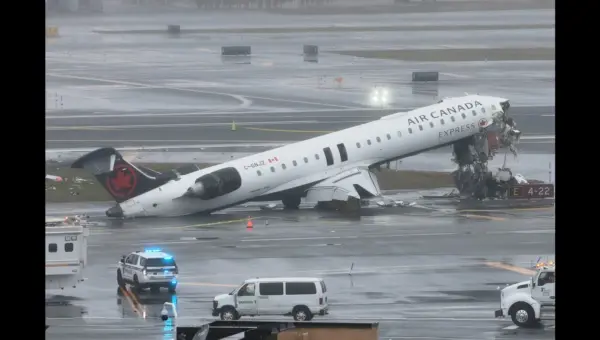
The incident occurred around 11:40 p.m. when an Air Canada flight from Montreal, carrying 72 passengers and four crew members, landed at LaGuardia. Shortly after touching down, the plane struck a fire truck. The impact was severe, causing immediate chaos inside the aircraft.
One passenger described the terrifying moments: “We went down for a regular landing. We came in pretty hard. We immediately hit something and it was just chaos in there.” The plane came to a stop after about five seconds, but in that short time, fear gripped everyone. Passengers were screaming, and panic set in because the pilot’s cabin was destroyed, leaving no clear directions.
“Somebody said, ‘Let’s get the emergency exit and get the door in. Let’s all jump out.’ And that’s exactly what we did,” the passenger recounted. Fortunately, the two people in the fire truck survived with injuries that were not life-threatening. Of the 41 people injured on the plane, 32 have since been released from hospitals, though some remain seriously hurt.
The Sound of Disaster
The released air traffic control audio offers a raw, immediate glimpse into the unfolding tragedy. The voices are tense, conveying the shock and confusion of the controllers. “Frontier 4195. Just stop there, please. Stop. Stop. Stop. Stop,” one controller commands, indicating an immediate hazard.
The subsequent audio reveals the gravity of the situation. “Collision. I know you can’t move. The vehicle is flying to you now,” a voice says, highlighting the uncontrolled nature of the event. Another controller expresses their distress, “That wasn’t good to watch.” The interaction suggests a moment of immense pressure and perhaps a lapse, which the controller later acknowledges: “I tried to reach out to my stuff and we were dealing with an emergency earlier and I messed up.” Another voice offers comfort, “No, man. You did the best you could.”
Understaffing and Investigations
This tragic collision happens at a time when air traffic control is known to be understaffed. LaGuardia Airport was temporarily closed following the accident and was not expected to reopen until at least 2:00 p.m. Eastern time the following day. The Federal Aviation Administration (FAA) and the National Transportation Safety Board (NTSB) have launched investigations into the cause of the crash.
The Transportation Secretary, Shawn Duffy, was reportedly heading to LaGuardia to assess the situation. These investigations will be crucial in determining exactly how this accident occurred and what steps need to be taken to prevent future tragedies.
Why This Matters
The LaGuardia crash is more than just a single, unfortunate event. It serves as a critical warning sign about the state of our air traffic control system. When controllers are overworked and understaffed, the potential for human error increases significantly. This error can have devastating consequences, as seen in this case. The safety of air travel relies heavily on the vigilance and focus of these controllers, and any factor that compromises that is a threat to everyone in the sky and on the ground.
Historical Context and Future Outlook
Concerns about air traffic controller shortages are not new. For years, unions and safety advocates have warned about the aging workforce and the challenges of recruiting and training enough new controllers to meet demand. The FAA has faced pressure to hire more staff and improve working conditions.
This incident is likely to intensify calls for immediate action. We can expect increased scrutiny on the FAA’s hiring and training programs, as well as potential policy changes to address workload and fatigue among controllers. The investigations will hopefully provide clear answers, but the underlying issue of staffing levels must be addressed proactively to ensure the continued safety of air travel for millions of passengers.
Source: Air Traffic Control Audio From LaGuardia Crash Released (YouTube)

Related Articles
LaGuardia Runway Reopens After Deadly Crash, Safety Lapses Exposed
LaGuardia Airport's main runway has reopened after a fatal crash involving an Air Canada Express jet and a fire truck. The incident, which killed two pilots, exposed critical failures in airport safety systems, including ground surveillance and transponder use.

Iran War Talks Ignite, Airport Chaos Deepens
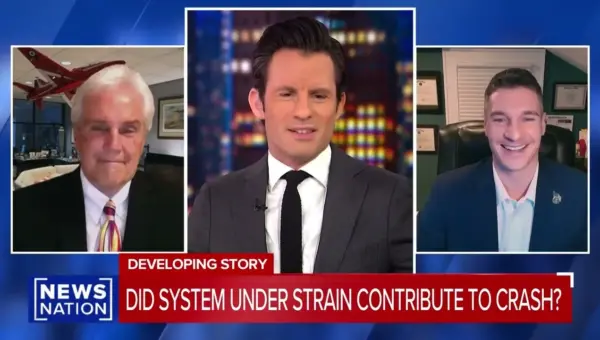
President Trump confirms peace talks with Iran are underway, while US airports face ongoing chaos due to the DHS shutdown. Investigations into a fatal LaGuardia crash reveal systemic safety issues, with experts citing controller fatigue and staffing shortages. Meanwhile, the search for a missing elderly woman continues in harsh desert terrain, highlighting diverse challenges facing the nation.
Air Safety Fears Soar After Deadly Crash
A fatal crash at LaGuardia Airport has triggered a national review of air safety, revealing a pattern of close calls and communication issues at U.S. airports. Investigators are examining technology and staffing, as calls grow for urgent safety upgrades.