Trump’s Iran Retreat, Mueller Comments Spark Outrage
Former President Donald Trump's public gladness at the death of special counsel Robert Mueller has drawn widespread condemnation for its lack of human decency. This controversy unfolds as Trump's foreign policy on Iran faces scrutiny, with critics pointing to a perceived retreat from prior threats and a reputation for backing down. Past criticisms of Trump by figures like Mitch McConnell and the historical context of Richard Nixon's conduct are being used to frame the current discourse.

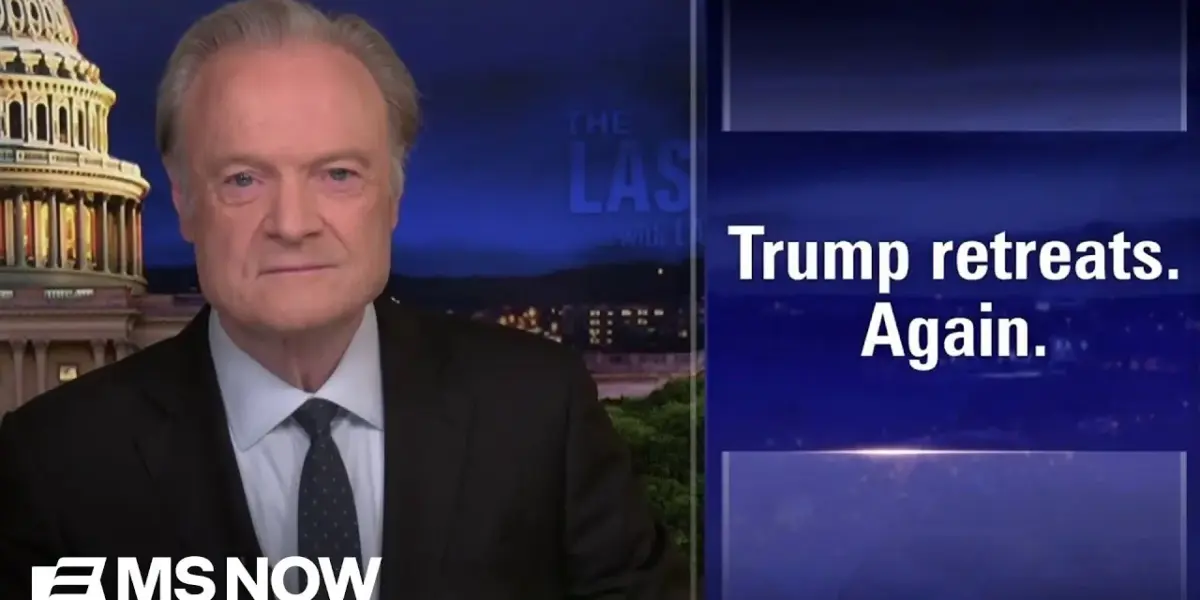
Trump’s Divisive Remarks on Robert Mueller Emerge Amidst Iran Policy Shifts
In a stunning display of public commentary, former President Donald Trump has drawn widespread criticism for his remarks following the death of Robert Mueller, the former FBI director and special counsel. Trump’s comments, expressing gladness at Mueller’s passing, have been widely condemned as lacking basic human decency. This controversy comes as the United States navigates complex foreign policy challenges, particularly concerning Iran, where Trump’s approach has also come under scrutiny.
McConnell’s Past Criticism of Trump Surfaces
The current controversy has brought to light past criticisms of Donald Trump, including a 2020 assessment by then-Senate Majority Leader Mitch McConnell. In an oral history, McConnell reportedly described Trump as a “despicable human being” and “stupid.” While acknowledging that Trump can sometimes exhibit simple stupidity, the speaker in the transcript argues that his actions, particularly those lacking human decency, go beyond mere lack of intelligence.
Robert Mueller’s Legacy and Trump’s Reaction
Robert Mueller, who died at age 81, was a decorated public servant. He served as a U.S. Marine, a federal prosecutor, FBI director, and led the investigation into Russian interference in the 2016 presidential election. This investigation resulted in prosecutions of several Trump associates and sent his campaign manager to prison. In stark contrast to the expected decorum, Trump’s public statement after Mueller’s death expressed satisfaction, a reaction that has been widely seen as a shocking departure from presidential norms.
Historical Precedents: Nixon and Jaworski
The speaker draws a parallel to the Watergate scandal, highlighting the conduct of President Richard Nixon following the death of Leon Jaworski, the special prosecutor who led the investigation into Nixon’s administration. Despite Jaworski’s role in forcing Nixon’s resignation and prosecuting numerous administration officials, Nixon maintained a dignified silence. This historical contrast is used to underscore the perceived lack of basic human decency in Trump’s public statements, suggesting that even a president widely judged as “despicable” at the time knew how to show restraint in such circumstances.
Criticism of Trump Administration Officials
The transcript also points to other figures within the Trump orbit. Vice President Mike Pence is mentioned for his silence on Mueller’s death on social media. Treasury Secretary Scott Bessent is criticized for his public statements regarding Trump’s legal challenges and his comments on foreign policy. Bessent’s remarks, including the assertion that “sometimes you have to escalate to de-escalate,” are characterized as demonstrating a lack of understanding and contributing to Trump’s public image.
Senator Lindsey Graham’s Evolving Stance
Senator Lindsey Graham’s past and present stances on Donald Trump are also examined. The transcript notes Graham’s shift from calling Trump a “jackass” in 2016 to becoming a vocal defender. Graham’s suggestion that Trump should send in the Marines to seize and run Carg Island is presented as an example of his current advocacy. This is contrasted with the historical context of the Battle of Iwo Jima, highlighting the immense human cost of such military actions and questioning Graham’s rhetoric.
Trump’s Iran Policy and “Taco” Reputation
A significant portion of the discussion focuses on Trump’s foreign policy regarding Iran. The speaker suggests that Trump has retreated from his threats, earning a reputation on Wall Street for “chickening out,” a phrase colloquially referred to as “taco.” Trump’s comments about negotiations with Iran, including the statement “me and the Ayatollah,” are described as remarkably insecure and lacking in strategic understanding. This is presented as a retreat from prior threats, including a potential war crime of bombing civilian targets.
Looking Ahead
The events surrounding Donald Trump’s remarks on Robert Mueller and his evolving stance on Iran policy continue to fuel debate. As the nation grapples with these controversies, attention will remain focused on Trump’s public statements, his foreign policy decisions, and the reactions from political allies and adversaries alike. The historical parallels and criticisms of his administration officials suggest that these events will be subject to continued analysis and historical comparison.
Source: Lawrence: Trump retreats on Iran and proves he’s worse than Nixon (YouTube)

Related Articles
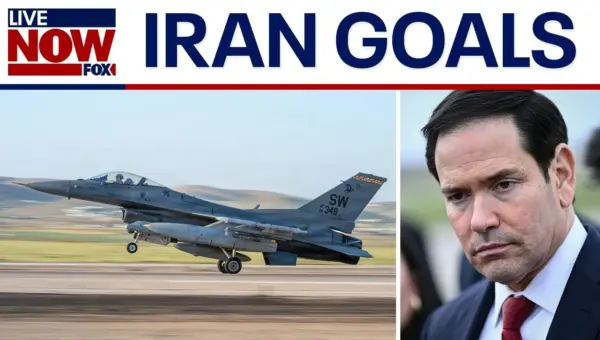
Rubio: US Can Achieve Iran War Goals Without Troops
Senator Marco Rubio outlined a strategy to counter Iran without deploying U.S. ground troops, focusing on weakening the regime and enhancing maritime security. He also criticized Cuba's economic system and expressed concerns about West Bank violence.

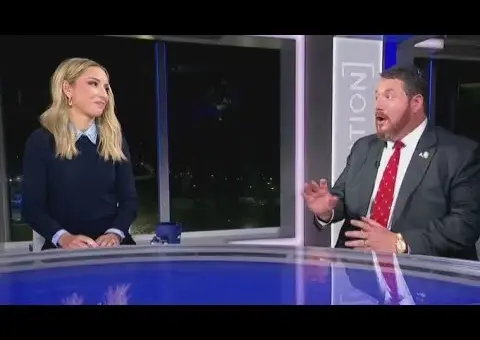
House Republicans Reject Senate Deal, Sparking Government Funding Clash
House Republicans have rejected a Senate bill to end the government shutdown, citing insufficient border security measures. Congressman Randy Fine called the Senate deal a "disgrace" and highlighted the ongoing fight for full government funding. President Trump's executive order to pay TSA agents offers temporary relief, but the core disagreement over border security continues to paralyze Washington.


Israel Escalates Iran Strikes, Warns of Wider War
Israel has launched significant strikes inside Iran following continued missile fire, warning of further escalation. The conflict risks wider regional instability and economic disruption, especially concerning the Strait of Hormuz.