Stocks Rally as Trump Delays Iran Strikes Amid Market Jitters
Stocks rallied sharply after President Trump announced a delay in strikes on Iran, easing immediate geopolitical tensions. However, experts caution that underlying economic threats related to the Strait of Hormuz remain, and market concentration in a few large companies adds to investor jitters.

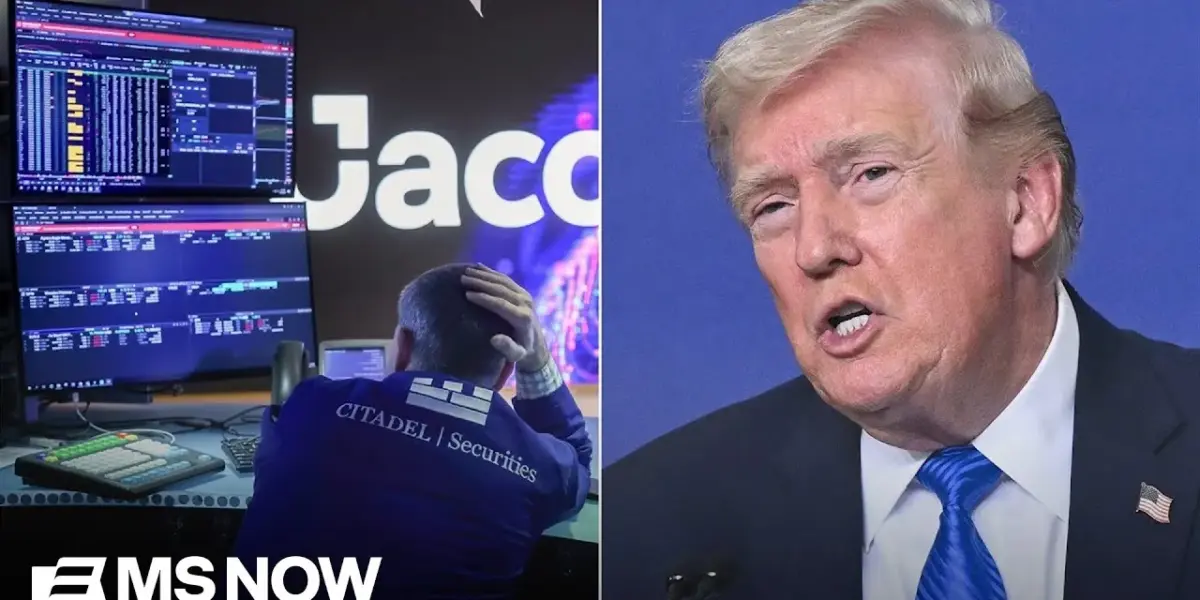
Markets Surge After Trump Halts Iran Strikes
The Dow Jones Industrial Average saw a significant jump, gaining over 630 points, following President Trump’s announcement to delay strikes on Iran’s energy infrastructure. The decision came amid what the President described as “very good talks” with Tehran, though Iran publicly denied any negotiations were taking place.
This sudden market rally occurred just 15 minutes after a sharp, unexplained increase in trading volume for both the S&P 500 and oil futures. The timing of this volume spike, preceding the President’s announcement, has raised questions among market watchers.
Market Sentiment and Unusual Activity
Stephanie Link, Chief Investment Officer at Hightower, noted the unusual market behavior. “We have to wake up and we have to look at Twitter and we have to look at Truth Social first,” she said, referring to the administration’s communication style. Link pointed out that the market sentiment was extremely negative before the announcement, citing the Fear and Greed Index, which stood at 17, indicating extreme pessimism. This level is comparable to periods like “Liberation Day” (3) and the COVID-19 pandemic (12), showing how deeply negative sentiment had become.
Concerns about the ongoing conflict’s impact on the global economy were high. Reports over the weekend suggested the conflict might last longer than expected, raising fears about the economy’s ability to withstand prolonged high oil and commodity prices. The market’s rally, therefore, appears to be a reaction to the perceived reduction in immediate conflict escalation.
Volume Spike Before President’s Announcement
Professor Justin Wolfers, an economics and public policy expert from the University of Michigan, addressed the pre-announcement volume spike. “The spike in volume came before the President’s announcement,” Wolfers stated. “So even if you read the President’s Truth Social post, it didn’t matter. There was a spike 15 minutes before.”
Wolfers expressed a degree of cynicism about pinpointing such events. “There are so many different ways and so many different places we could look for mischief,” he explained. “It’s fairly easy to see it even when maybe it’s not there.” He cautioned that statistically, it’s difficult to distinguish unusual market activity from normal fluctuations, especially when trying to link it directly to specific political announcements.
Underlying Economic Threats Remain
Despite the market’s positive reaction, experts warn that significant economic threats persist. The head of the International Energy Agency stated that the global economy still faces major threats from the war. Similarly, the CEO of Chevron commented that the full impact of the conflict has not yet been reflected in oil prices.
The Strait of Hormuz remains effectively closed to shipping, with the U.S. Maritime Trade Operations Center issuing warnings about critically high threats to maritime traffic. “At some deep level, no,” Wolfers responded when asked if the situation was improving. He used the analogy of the trade war with China, where the U.S. discovered a vulnerability regarding rare earth minerals. “Well, the one thing that the past couple of weeks has made clear is Iran holds a lot of cards with the Strait of Hormuz,” he concluded. This vulnerability, he explained, is now widely visible and could persist indefinitely.
Market Concentration and Investment Strategies
Stephanie Link also discussed the market’s concentration, noting that a small number of large companies, often referred to as the “Magnificent Seven,” make up a significant portion of the S&P 500’s market capitalization. “The underlying economy is strong, but almost 40% of the total market cap of the S&P is just a small handful of firms,” she observed.
She explained that while these large tech companies have driven most of the market gains in recent years, diversification remains crucial for long-term investment. These companies are strong due to their substantial free cash flow, limited competition, and significant investment in capital expenditures. Link highlighted that these “Mag-7” companies are projected to spend $761 billion on capital expenditures, which fuels their growth.
Empowering Women in Investing
Looking ahead, Link expressed excitement about CNBC’s upcoming “Women of Wealth” event. She noted the significant wealth transfer expected to occur over the next 20-25 years, with trillions of dollars moving to women and the next generation. While women have made strides in education, a smaller percentage are actively involved in managing their own investments.
“We’re going to get together. We’re going to have four different salons, four different rooms with small groups so that they can learn,” Link said about the event. The initiative aims to provide women with the knowledge and confidence to manage their finances effectively, recognizing the growing importance of their role in the investment world.
Source: 'Iran holds a lot of cards': Stocks rally despite continued closure of Strait of Hormuz (YouTube)

Related Articles
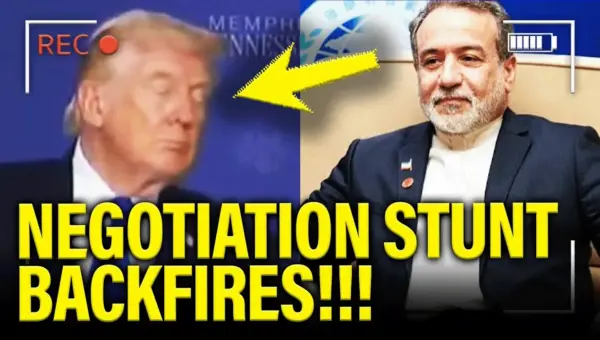
Mixed Signals: Trump’s Iran Stance Fuels War & Negotiation Chaos
Conflicting messages from Donald Trump regarding Iran's Strait of Hormuz threats and subsequent negotiation claims create diplomatic chaos. Expert analysis highlights the importance of autonomy in negotiation and warns against arbitrary deadlines, while the core question of U.S. involvement in such conflicts remains.

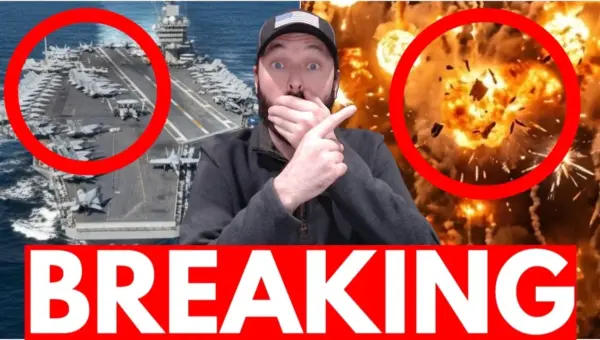
Iran Escalates, US Sends Third Carrier Amidst Mideast Turmoil
Iran has launched a major ballistic missile and cluster munition attack on Israel, while also striking Bahrain and the UAE. The US is responding by increasing its bombing campaign and deploying a third aircraft carrier to the Middle East. The Houthi group has also joined the conflict, firing missiles at Israel.

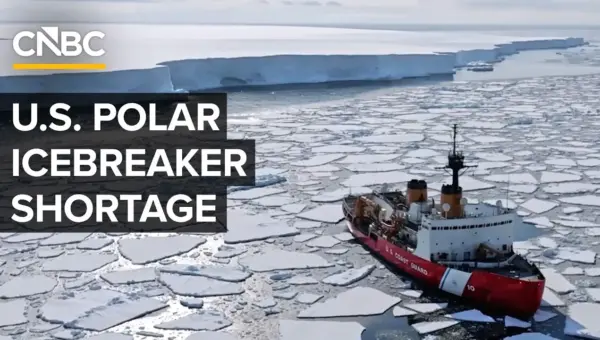
US Boosts Arctic Fleet: $8.6B Plan to Counter Russia, China
The U.S. is investing $8.6 billion to build 11 new polar icebreakers, aiming to counter Russia and China's growing Arctic presence. This initiative addresses the aging U.S. fleet and the increasing strategic importance of the Arctic as melting ice opens new trade routes.