Iran Conflict: US-Israel Strike Fuels Hope for Regime Change
US and Israeli strikes targeting Iran's regime have sparked hope for liberation among Iranians, both in exile and at home. Experts believe these actions are a critical step toward dismantling a 47-year-old oppressive government and cutting off global terror funding.

Iran Conflict: US-Israel Strike Fuels Hope for Regime Change
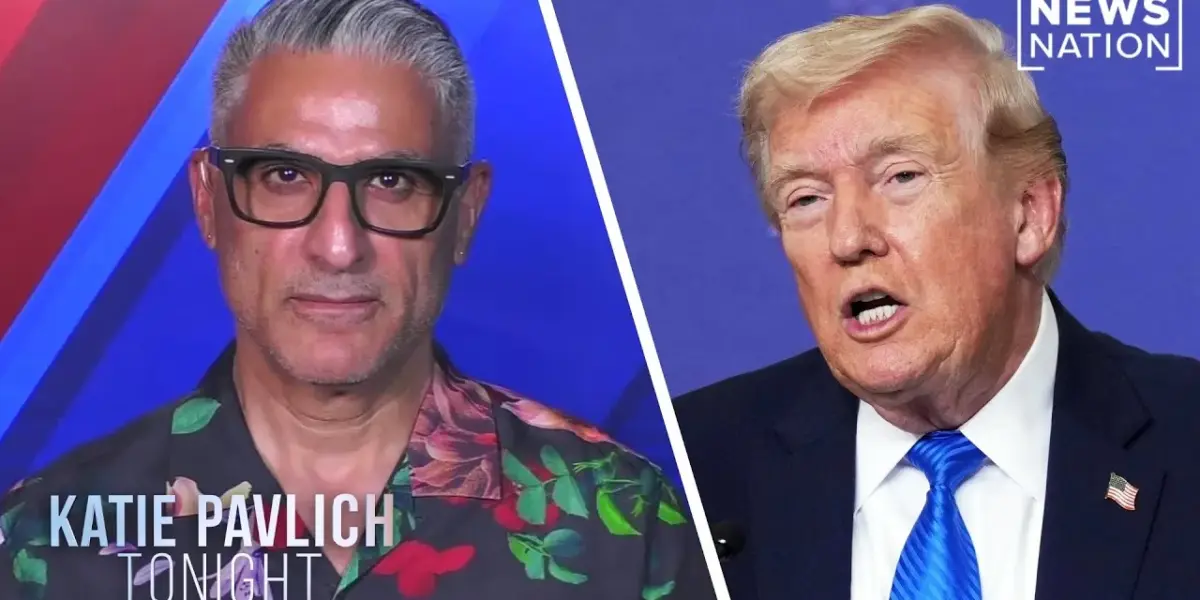
The United States and Israel have launched significant attacks targeting Iran’s missile sites and leadership. This military action is seen by some as a crucial step towards potentially freeing the Iranian people from the current regime. Reza Farahan, an Iranian-American, expressed deep gratitude for this intervention, calling it a “rescue mission” for his home country.
Farahan, who left Iran during the 1979 revolution, described the takeover of the U.S. embassy by “terrorists” as horrific. He and his family were fortunate to be in the United States, away from the “terror regime.” However, many family members remained in Iran, enduring 47 years under what he calls a “brutal regime.” He believes the current strikes are a war against the Islamic Revolutionary Guard Corps (IRGC) and the “terrorists” ruling Iran.
Voices from Exile and Desperation Within Iran
Communication with family still in Iran is difficult, happening only sporadically by phone. Despite the risks, those inside Iran are reportedly “so grateful for the intervention and the prospect of potentially being free.” Farahan explained that people in the United States may not grasp the level of desperation felt by Iranians. This desperation is so great that some Iranians welcome foreign government intervention, even military strikes, as a path to freedom.
The Iranian regime has a long history of funding global terrorism, supporting groups like the Houthi, Hezbollah, and Hamas. Farahan argues that a free Iran would significantly cut off funding for these organizations worldwide, benefiting global security.
Recent Crackdowns and Strategic Strikes
Just last month, tens of thousands of Iranians protested against the regime. These demonstrations were met with deadly force, with protesters reportedly “murdered in cold blood.” Farahan noted that people have been told to stay indoors, awaiting a signal from the U.S. to “take over their institutions.”
The current U.S. and Israeli operations have reportedly eliminated dozens of key leaders, including figures close to the former Ayatollah. Reports suggest his son may now be in charge. Additionally, numerous IRGC commanders and officials responsible for enforcing the regime’s control have been targeted. These individuals often oversaw efforts to suppress protests and maintain public order for the ruling party.
Is Regime Change Achievable?
While the U.S. has not officially stated regime change as a direct objective, Israel has pursued this goal more openly. Farahan believes that more action is needed in the coming weeks. He pointed out that the current regime has been in power for 47 years, building a deeply rooted infrastructure of support. This includes elite forces like the IRGC and the Quds Force, representing about 10% of the country’s population as militant supporters.
The recent strikes have removed important leaders, but Farahan feels it’s not enough for the general population to feel empowered. Iranians inside the country lack weapons to fight back. However, he believes that as the U.S. and Israel continue their attacks, fewer people will defend the current regime. He anticipates that once the regime appears close to collapse, even military personnel, who may not be getting paid, might refuse to fight against their own people.
Global Impact
The ongoing conflict in Iran has significant global implications. The regime’s funding of terrorist organizations has destabilized regions across the Middle East and beyond. A shift in power within Iran could dramatically alter the geopolitical balance, potentially reducing the reach and resources of groups like Hezbollah and Hamas. This could lead to a decrease in global terrorism and a more stable international environment. The desperation of the Iranian people, coupled with external pressure, suggests a potential for rapid change, though the path forward remains uncertain.
Source: Reza Farahan 'very grateful' for US war against Iranian regime | Katie Pavlich Tonight (YouTube)

Related Articles

G7 Allies Clash Over Iran War Strategy, Urge Focus on Russia
G7 foreign ministers met in Paris, revealing deep divisions over the U.S. war with Iran. European allies urged the U.S. to pressure Russia, linking its actions to the conflict and fearing support for Ukraine will wane.

Iran Blocks China Ships, Exposing Beijing’s Weak Grip
Iran's recent decision to block Chinese ships at the Strait of Hormuz is exposing the limits of Beijing's influence in the Middle East. This action is causing delays and cancellations for Chinese manufacturers, turning a perceived geopolitical win into an economic strain.
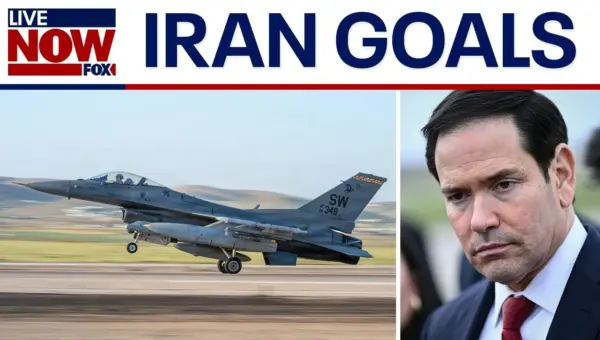
Rubio: US Can Achieve Iran War Goals Without Troops
Senator Marco Rubio outlined a strategy to counter Iran without deploying U.S. ground troops, focusing on weakening the regime and enhancing maritime security. He also criticized Cuba's economic system and expressed concerns about West Bank violence.