Iran War Escalates: Gulf Allies Consider Joining
Saudi Arabia and the UAE are reportedly considering joining the conflict with Iran, signaling a potential escalation. Meanwhile, the U.S. is preparing to deploy 3,000 paratroopers. Unusual oil market activity prior to negotiation announcements has also raised insider trading concerns.

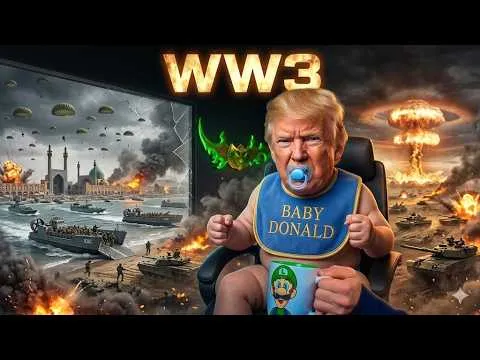
Gulf States Eye Iran Conflict Amid Troop Buildup
Tensions in the Middle East are rising as Saudi Arabia and the United Arab Emirates (UAE) reportedly consider joining the conflict involving Iran. This development signals a potential escalation rather than a de-escalation of the ongoing crisis. Meanwhile, the United States is reportedly preparing to deploy approximately 3,000 paratroopers to the region, adding another layer of complexity to the volatile situation.
Saudi Arabia and UAE Signal Increased Involvement
Reports indicate that Saudi Arabia and the UAE are moving closer to direct involvement in the conflict. The Saudi Foreign Minister has issued a stern warning, stating that patience with Iranian attacks is not unlimited and that any assumption of the Gulf countries’ inability to respond would be a miscalculation. This suggests a hardening stance against Iranian aggression.
Saudi Arabia, a significant oil producer, has a vested interest in protecting its oil exports, both through the Persian Gulf and the Red Sea. The Houthis’ potential actions in the southern Red Sea could disrupt shipping, mirroring concerns about the Strait of Hormuz. Saudi Arabia’s willingness to allow U.S. forces to use its air bases, a shift from previous policy, further underscores its growing engagement.
The UAE, a key financial hub, could exert significant economic pressure on Iran by freezing billions of dollars held by Iranian businesses and individuals. Iran is already facing economic strain, reportedly resorting to printing money as its currency value declines due to the conflict.
Market Activity Sparks Insider Trading Concerns
Amidst these geopolitical shifts, unusual activity in oil markets has raised questions. Traders reportedly placed $580 million in options bets on oil just before President Trump announced progress in negotiations. Following this announcement, oil prices dropped by approximately 11%.
The timing of these large bets and the subsequent market movement has led to speculation about potential insider trading. Options contracts, being derivatives, can offer leveraged gains, amplifying profits significantly when prices move rapidly, especially following major news announcements. This has led some to question whether market information is being leaked for financial gain.
Iran Claims Psychological Operation, Cites Market Manipulation
Iranian media has suggested that President Trump’s actions may constitute a psychological operation, involving market manipulation. Their claim is that President Trump frequently tweets aggressive messages on Fridays, often after the market closes, and then follows up with calming statements before markets open on Mondays. This pattern, they allege, has been repeated over the past 20 days.
This alleged strategy, which they believe aims to influence market behavior, was reportedly also employed at the beginning of the recent conflict. The claim is that such actions are intended to create market volatility, potentially benefiting those with prior knowledge of the announcements.
Ground Troop Deployment and Military Preparations
The situation is further complicated by significant troop movements. Units from Fort Bragg and other bases across the United States are reportedly being sent to the Middle East. This deployment includes the arrival of the USS Tripoli amphibious assault group and the upcoming arrival of the USS Boxer.
Most notably, senior military officials are considering deploying the Army’s 82nd Airborne Division, an immediate response force of 3,000 soldiers. This division is capable of deploying globally within 18 hours. Its training exercises have reportedly been canceled to ensure readiness for a potential deployment to Iran.
The use of paratroopers, in addition to Marines, could indicate a strategy to stabilize an area for a longer duration and to help deploy heavier equipment. This indicates a significant ramp-up in military preparedness in the region.
Negotiation Attempts and Iranian Stance
Reports suggest that intermediaries have approached Iran regarding negotiations. Iran, however, has reportedly stated that any cessation of hostilities must include Iraq and Lebanon. They are also seeking reparations from Israel and the United States for damages incurred.
Furthermore, Iran insists on maintaining its ballistic missile program, viewing it as a crucial deterrent. There are also concerns about potential partnerships with Russia and China on nuclear weapons development.
President Trump has indicated that negotiations are underway with an individual who is not the Supreme Leader, suggesting a potential shift in Iranian leadership engagement. He has withheld the identity of this individual, citing security concerns. However, reports from Israel have named potential figures, including the speaker of the Iranian parliament, Muhammad Bagher Ghalibaf, though he has publicly denied any negotiations.
Market Impact
The escalating tensions and potential for wider conflict pose significant risks to global markets. Oil prices remain a key indicator, susceptible to supply disruptions and geopolitical events. Increased military deployments and the involvement of regional powers could lead to further volatility in energy markets and broader financial instability.
What Investors Should Know
Investors should closely monitor developments in the Middle East, particularly any shifts in oil supply and geopolitical rhetoric. The potential for increased military action could impact global economic growth and corporate earnings across various sectors. Understanding the interconnectedness of geopolitical events and market reactions is crucial during this period of heightened uncertainty.
Source: Ground Troops & World War 3: BAD Iran News & More JOINING (YouTube)

Related Articles


Mexico Navigates US-China Rivalry
Mexico is caught in a geopolitical tug-of-war between the United States and China. The nation must carefully balance its economic needs and strategic interests with both superpowers. This situation highlights Mexico's growing importance in global affairs.
Europe Strikes New Trade Deals, Eyes Global Influence
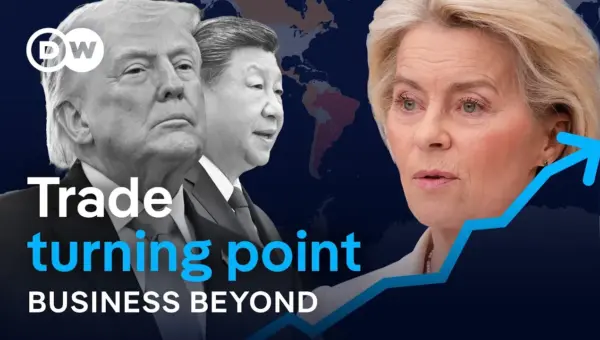
The European Union is actively forging new trade alliances, notably with South American nations like Brazil, to reduce reliance on China and the US. Driven by the need for critical resources like rare earth metals and the desire to boost its own industries, Europe is making strategic concessions and seeking new markets, despite facing internal criticism and a changing global economic landscape.

G7 Leaders Clash Over Trump’s Iran Policy Amidst Global Crisis
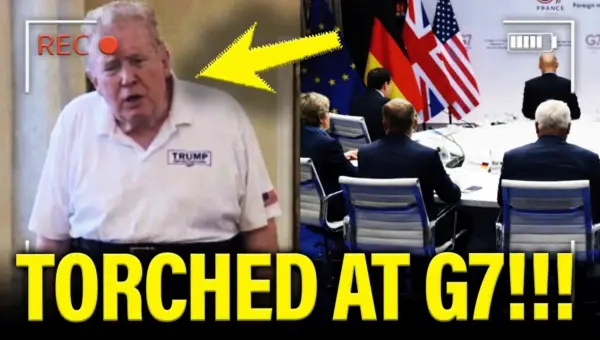
World leaders at a G7 meeting voiced sharp criticism of Donald Trump's Iran policy, citing concerns over the Strait of Hormuz and a looming global recession. Disagreements emerged regarding strategy and accusations of misinformation, highlighting deep divisions.