Trump’s Election Claims Spark 25th Amendment Debate
Discussion surrounding Donald Trump's comments on a third term and his handling of foreign policy has led to renewed debate about the 25th Amendment. Critics argue his behavior suggests incapacitation, while the amendment's complex process for removal remains a significant hurdle.

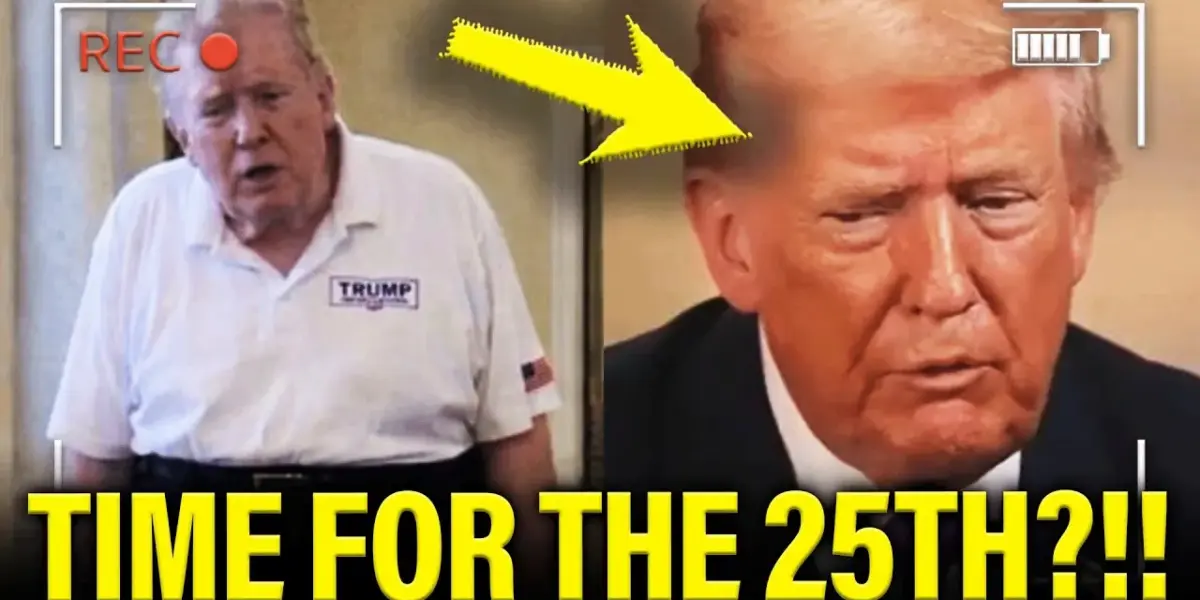
Trump’s Election Claims Spark 25th Amendment Debate
Recent comments by Donald Trump about potentially seeking a third term have reignited discussions about the 25th Amendment to the U.S. Constitution. This amendment deals with presidential disability and succession. Legal experts and commentators are questioning Trump’s mental fitness and judgment, citing his behavior as a reason for invoking this rarely used constitutional measure.
Understanding the 22nd and 25th Amendments
The 22nd Amendment, passed after Franklin D. Roosevelt served four terms, limits presidents to two elected terms. However, it allows for a president to serve more than two terms if they complete less than two years of another president’s term and are then elected to two full terms themselves, totaling a maximum of 10 years. This has led to speculation about complex scenarios, like a president serving as vice president and then taking over, potentially serving up to 10 years. However, legal challenges would likely arise if such a plan were seen as an attempt to circumvent the spirit of the amendment.
The 25th Amendment, on the other hand, addresses what happens when a president is unable to perform their duties. It has two main parts: one for voluntary transfer of power and another, more complex section (Section 4), for involuntary removal. Section 4 allows the Vice President and a majority of the Cabinet to declare the President unable to discharge the powers and duties of their office. This declaration is sent to Congress, and the Vice President immediately becomes Acting President. The President can contest this, but if they do, Congress must decide the issue within 21 days.
Concerns Over Trump’s Behavior
Critics point to several instances of Trump’s behavior as evidence of potential incapacitation. One major concern is his repeated suggestions of seeking a third term or questioning election results. This is seen by some as a flirtation with constitutional disaster, especially given the clear limits set by the 22nd Amendment. The argument is that such talk, whether serious or not, shows a lack of understanding or respect for the Constitution, suggesting a mind not fit for the presidency.
More immediately, the situation involving Iran has been highlighted as a critical example. The transcript describes a series of erratic decisions and threats made via social media. These include threats to bomb civilian infrastructure, which are considered war crimes. The rapid shifts in policy, from threatening action to claiming constructive conversations, are presented as evidence of impulsive and unplanned decision-making. This lack of foresight and consistent strategy in foreign policy is seen as particularly dangerous for a Commander-in-Chief.
“Every other hour it’s another erratic decision with no planning and no forethought.”
The ‘Incapacitated’ Argument
The core argument for invoking the 25th Amendment hinges on the idea that Trump is “bonkers” or “incapacitated” and unable to perform his job. This isn’t just about policy disagreements; it’s about perceived mental and emotional fitness. The speaker suggests that Trump’s focus on perceived enemies, his distraction from important issues, and his seemingly endless cycle of scandals demonstrate a president who is not functioning properly.
The process for involuntary removal under Section 4 of the 25th Amendment is challenging. It requires a majority of the Cabinet, which is appointed by the President, to agree that the President is unfit. Then, the Vice President must concur. If Trump were to contest this, it would require a two-thirds vote in both the House and the Senate to remove him. Given the current political climate, achieving such a consensus, especially in the Senate, appears highly unlikely.
Historical Context and Future Outlook
The 25th Amendment was ratified in 1967 following the assassination of President John F. Kennedy and concerns about presidential disability. It has been invoked only a few times, primarily for temporary transfers of power, such as during medical procedures. Its use for involuntary removal has never occurred, making any attempt a significant constitutional event.
The discussion around the 25th Amendment in relation to Trump highlights a deeper political division. Supporters often dismiss these concerns as politically motivated attacks, while critics see them as legitimate warnings about presidential stability. The ongoing debate underscores the fragility of democratic norms and the importance of constitutional mechanisms designed to ensure stable governance.
Why This Matters
The invocation of the 25th Amendment, even as a theoretical discussion, raises profound questions about presidential accountability and the health of American democracy. When a president’s actions and statements are consistently described as erratic, impulsive, or even dangerous, it forces a national conversation about the safeguards in place. The debate is not just about one individual but about the constitutional framework designed to protect the nation from a leader who may be unfit for office.
The future outlook suggests that such debates will likely continue as long as questions about presidential fitness persist. The 25th Amendment remains a powerful, albeit difficult, tool. Its potential use, however remote, serves as a reminder of the checks and balances designed to preserve the integrity of the presidency and the nation’s security.
Source: Trump ELECTION TANTRUM Sparks 25th AMENDMENT DEMAND!! (YouTube)

Related Articles
Trump’s Name Everywhere: A ‘Stain’ on GOP Legacy?
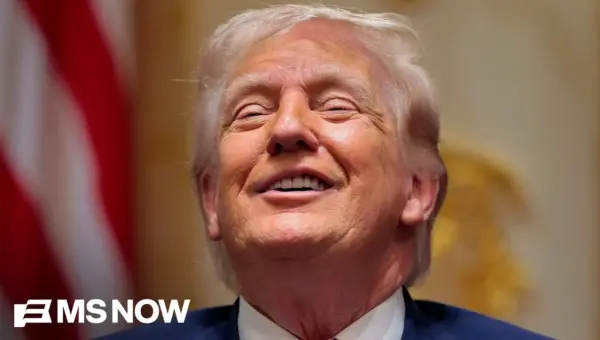
Former President Donald Trump's efforts to brand national symbols, including a proposed signature on dollar bills, spark debate. Critics view this as an authoritarian attempt to embed his legacy, potentially staining the Republican Party's history and contrasting with democratic ideals of public ownership.

Trump’s War Talk Stuns Financial Crowd
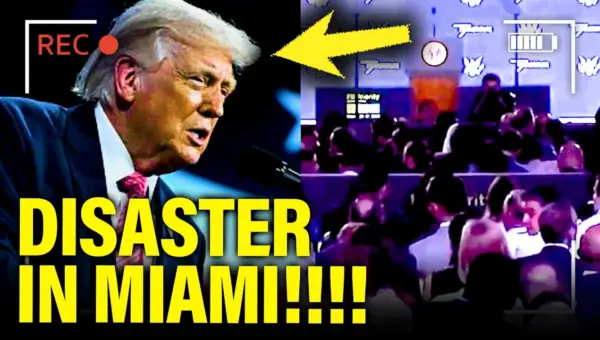
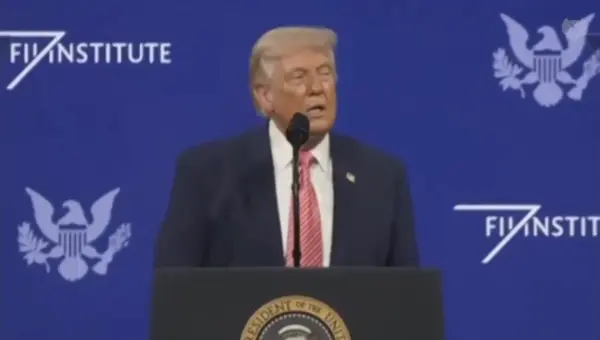
Donald Trump's recent speech in Miami focused on his foreign policy, particularly his critical views on NATO and his vision for international relations. He declared the U.S. would no longer defend NATO allies, questioned the value of existing alliances, and suggested renaming the Strait of Hormuz. The speech also touched on his personal views of success, his allies, and his perceived role as a global peacemaker.
Trump’s Warpath: New Threats Signal Imperial Ambitions
Recent statements from Donald Trump reveal a potential embrace of increased military action and interventionist foreign policy. This approach, characterized by critics as "imperialism 2.0," contrasts with his past promises of peace and has even drawn criticism from parts of his own base. The implications for U.S. global engagement and domestic priorities are significant.