ICE at Polls: Trump’s Plan to Suppress Votes Exposed
Concerns are rising over the potential deployment of ICE agents to polling places and the implications of the Save America Act. Critics argue these moves are not about preventing voter fraud, which is statistically rare, but are deliberate tactics to suppress votes and undermine democratic elections. The analysis explores the historical context and future outlook of these efforts.

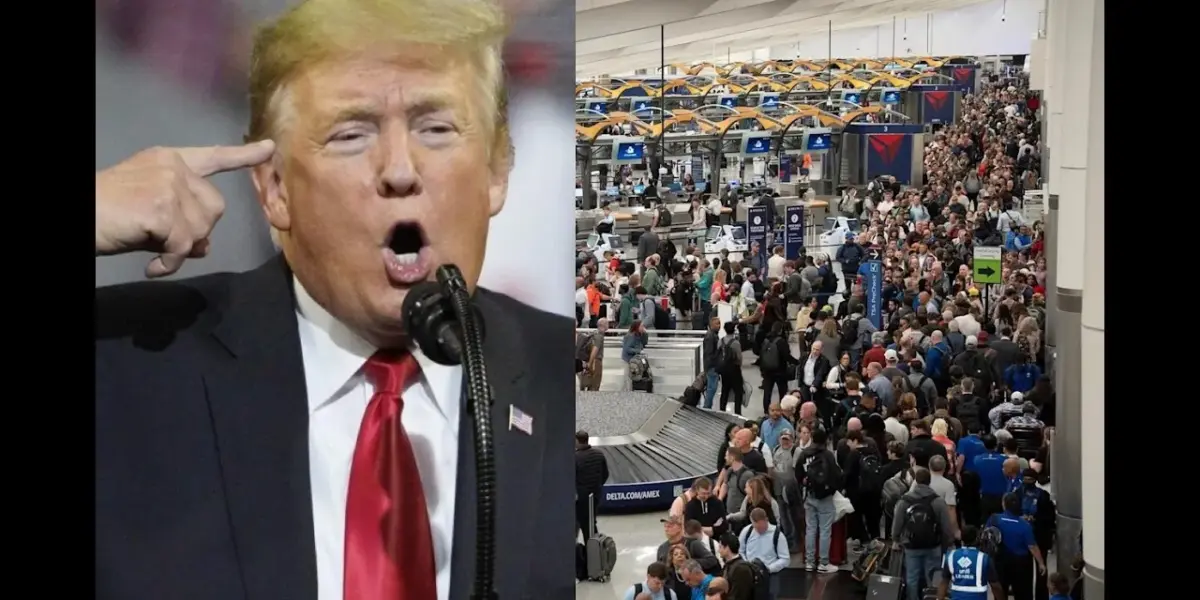
ICE at Polls: Trump’s Plan to Suppress Votes Exposed
Recent deployments of U.S. Immigration and Customs Enforcement (ICE) agents to airports have sparked questions. However, a more alarming potential use for these agents is now coming to light: polling places. This idea, championed by figures like Steve Bannon and Donald Trump, suggests a strategy to influence the 2026 midterm elections not by winning votes, but by preventing eligible citizens from casting theirs.
A ‘Test Run’ for Election Interference?
The notion of using ICE agents at airports as a “test run” for involvement in elections has been openly discussed. The argument presented is that ICE agents, though not trained for airport security, could be placed at polling stations to prevent “illegal aliens” from voting. This, proponents claim, would ensure that only eligible citizens’ votes are counted, protecting the integrity of the election. However, critics argue this is a thinly veiled attempt at voter suppression, aiming to intimidate and discourage certain groups from participating in the democratic process.
Voter Suppression, Not Fraud Prevention
Donald Trump has expressed his intention to deploy ICE agents to polling places. The stated reason is to prevent voter fraud. Yet, evidence suggests that widespread voter fraud is not a significant issue in U.S. elections. A review of allegations from 2000 to 2014 found only 31 credible instances of impersonation fraud out of over a billion ballots cast. This suggests that the focus on voter fraud is a tactic to justify measures that would suppress votes, particularly from demographics that tend to vote Democratic, such as low-income voters, minority voters, and seniors.
“When Trump and Republicans rail against voter fraud or ballot fraud, they are solving a problem that does not exist.”
The Save America Act: A Voter ID Trap
Beyond the deployment of ICE agents, a legislative effort, the Save America Act, is also seen as a tool for voter suppression. This bill, even if it means weakening the filibuster, is framed as a simple voter ID law. However, it contains provisions that would require states to share voter rolls with the Department of Homeland Security. This agency would then have the power to flag voters for removal. Furthermore, the bill demands that most Americans present a passport or birth certificate in person to register or update their registration. Millions of citizens, particularly those with lower incomes and from minority groups, may not have these documents readily available. The cost of obtaining these documents, potentially up to $200, further resembles a modern-day poll tax, a tactic historically used to disenfranchise voters.
Historical Context of Voter Suppression
The tactics discussed – voter ID laws, challenges to voter rolls, and the intimidation of voters – have historical roots. For over a century and a half, various methods have been employed to limit access to the ballot box for specific groups. The current push, critics argue, is a continuation of these efforts, aimed at disenfranchising voters and tilting election outcomes. The exclusion of college-issued IDs from acceptable forms of identification in the Save America Act, while allowing other government-issued IDs, further highlights the targeted nature of these measures.
Why This Matters
The potential deployment of ICE to polling places and the provisions within the Save America Act represent a critical juncture for American democracy. These actions, if implemented, could significantly undermine the principle of free and fair elections. The focus on preventing a problem that statistics show is exceedingly rare, like widespread voter impersonation, suggests a deliberate strategy to disenfranchise eligible voters. It raises serious concerns about the future of voting rights and the accessibility of the democratic process for all citizens. The implications extend beyond a single election, potentially reshaping the electorate and the political landscape for years to come.
Future Outlook and Implications
The strategies discussed are born out of a sense of panic, according to some analysts. With redistricting efforts not yielding the desired results and polling numbers showing a decline, there is a perceived need to resort to more drastic measures. The author of the video suggests that these actions are not signs of strength but rather the “last gasps of an extraordinarily weak man.” The legal challenges expected to follow such measures could prove to be a significant hurdle. However, the long-term impact of such tactics on public trust in elections and democratic institutions remains a significant concern. The push for these measures highlights a broader trend of political polarization and the willingness of some to challenge established democratic norms in pursuit of power.
A Call to Action
The analysis concludes with a call to remain vigilant and not fall for these schemes. The author stresses that these efforts to undermine elections are indicative of a candidate unable to run on their record. The upcoming elections are presented as a crucial moment where the integrity of the voting process is at stake. The message is clear: these are not good-faith efforts to secure elections, but deliberate attempts to suppress votes. The author also points to their new book, “The Day After: How to Wield Power in a Post-Trump World,” as a guide to understanding and navigating the challenges of wielding political power effectively in the current climate.
Source: BOMBSHELL: The REAL reason for ICE deploying to airports EXPOSED (YouTube)

Related Articles

CPAC Crowd Cheers Impeachment, Stuns Trump Allies
At the recent CPAC conference in Texas, attendees surprised many by cheering for impeachment hearings, signaling potential divisions within the conservative base. The event also highlighted voter frustration over issues like ongoing wars and affordability, with some considering not voting.
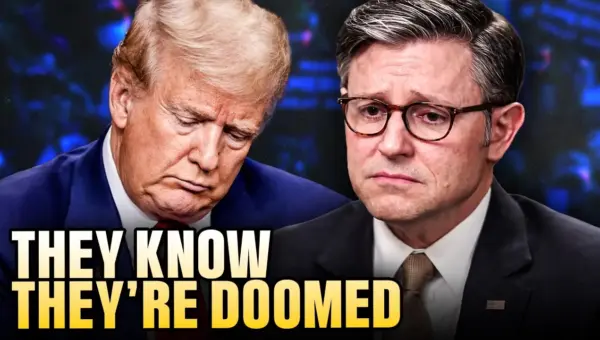
Polls Spell Doom: Republicans Face Voter Backlash
New polling data reveals a sharp decline in public confidence regarding the economic impact of Republican policies, particularly under Donald Trump. A significant majority now feel financially worse off, a trend that is especially pronounced among independent voters. This economic discontent poses a major challenge for the Republican party heading into future elections.
House Funds DHS, But Senate Deal Unlikely Amid Shutdown
The House of Representatives has passed a bill to fund the Department of Homeland Security, but the measure is unlikely to pass the Senate. TSA workers, who have faced missed paychecks and disruptions, may receive some pay soon due to a presidential order, but the broader shutdown continues.