Trump’s Iran War Called ‘Biggest Blunder’ Amid Rising Gas Prices
Critics are labeling the U.S. military involvement with Iran as the "biggest blunder in American foreign policy in the 21st century." The conflict escalates as 2,200 Marines deploy, while rising gas prices and unclear strategic objectives fuel public and political opposition. Lawmakers question the $200 billion war funding request, highlighting unmet domestic needs.

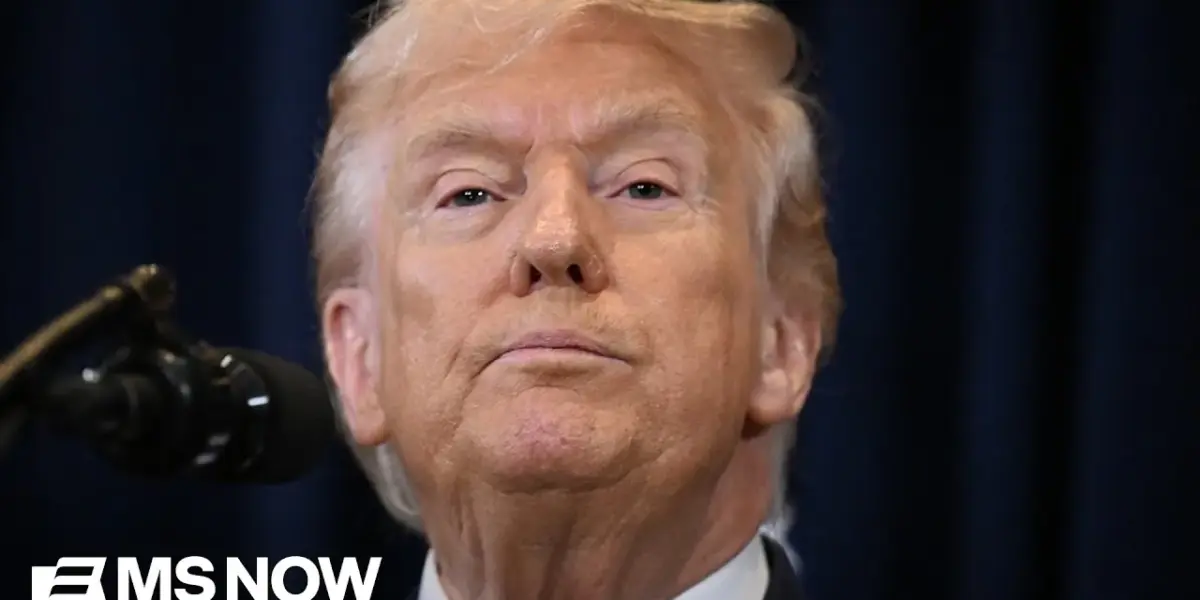
US Foreign Policy Under Fire: Iran War Deemed ‘Biggest Blunder’
A significant debate is unfolding in Washington over the United States’ involvement in a potential war with Iran. Critics, including members of Congress, are calling the conflict the “biggest blunder in American foreign policy in the 21st century.” This strong criticism comes as 2,200 U.S. Marines are being sent to the Middle East and a $200 billion funding request for the war effort is being considered.
Concerns Over Funding and Strategy Emerge
The proposed $200 billion war fund is facing serious questions. Lawmakers on both sides of the aisle are expressing confusion about how the money will be used and what the long-term strategic goals are. Senator Tom, quoted in the discussion, stated, “I don’t know what our long-term strategic goals are, but we’re going to need to know that.” This sentiment is echoed by others who feel there is a lack of clear objectives for the military action.
Democrats United Against War Funding
Democrats have announced they will vote as a bloc against the war funding. They argue that the allocated funds could be used for pressing domestic needs. For instance, the money could potentially cover free public college for all American students, provide subsidized childcare at $10 a day for families, and significantly raise wages for childcare workers and teachers. “You could have free public college for every kid in America,” one speaker noted, highlighting the stark contrast in priorities.
Assessing the Impact: What Has Been Achieved?
Critics question the tangible results of the current U.S. military engagement with Iran. Despite the actions taken, Iran reportedly still possesses enriched uranium, and leadership changes have not fundamentally altered the country’s nuclear ambitions. The younger generation of leadership, unlike the elder, may not adhere to a nuclear weapons prohibition, raising concerns about future proliferation. “Iran still has enriched uranium that’s buried underneath,” was a key observation made during the discussion.
Rising Gas Prices Fuel Public Discontent
A major point of contention is the rising cost of fuel. Gas prices have surged, with reports of them nearing $7 per gallon in California and increasing by 30% nationwide. This economic impact is directly linked to the conflict, as Iran has been targeting shipping in crucial waterways. A CBS News poll conducted between March 17th and March 20th revealed that 85% of over 3,000 adults surveyed reported rising gas prices in their area. Furthermore, 67% of Americans are unwilling to pay more for gas due to U.S. military conflict with Iran, indicating a strong public opposition to the economic consequences of the war.
Political Divisions and the ‘Rally Around the Flag’ Argument
The debate has also exposed divisions within the Republican party. While some, like Senator Lindsey Graham, argue that criticizing the president’s war actions undermines support for the troops, others are pushing back. Representatives like Luna and Mace have voiced concerns, echoing the sentiment that the current strategy is flawed. “This is not supporting our military,” one critic argued, suggesting that true support involves holding the president accountable and seeking clear answers.
Historical Parallels and Shifting Republican Stances
The arguments used to defend the current policy are being compared to those heard during the Vietnam and Iraq Wars. Critics point out that many who served in those conflicts, like J.D. Vance, initially campaigned against similar “wars of choice” but now appear to be supporting the current action. However, some Republicans are beginning to have second thoughts. Representatives Davidson and Massey are reportedly reconsidering their support, citing three main reasons: the price of gas, the loss of life with no clear end game, and the overall chaotic state of the Middle East. “They are having second thoughts for three reasons: One, the price of gas. America, energy matters,” was cited as a primary concern.
Unclear Objectives and Strategic Setbacks
A central criticism is the lack of clearly defined objectives for the U.S. military involvement. It remains unclear whether the goal is regime change in Iran or nuclear disarmament. Neither objective appears to have been achieved. Instead, the situation has led to a harder line in Iran, with the younger leader potentially more inclined towards nuclear capabilities. The enriched uranium remains underground, posing a continued threat. “They haven’t achieved their objective. They haven’t told us what the objective is,” was a strong statement from critics.
Impact on International Relations and Future Negotiations
The conflict has also impacted international dynamics. While Oman has been attempting to broker peace deals, its efforts have been rebuffed. The U.S. strategy, intended to counter China by controlling Iran’s oil supply, seems to have backfired. China and India continue to ship through the Strait of Hormuz, while U.S. ships are being targeted. This has weakened America’s negotiating position, with Iran possibly believing it can continue attacks until a more favorable deal is reached. The question now is how to re-engage diplomatic channels, perhaps through Oman, to negotiate a ceasefire and a settlement that prevents Iran from enriching uranium.
The Road Ahead: Seeking Clarity and an Exit Strategy
As the situation escalates, the patience of the public and even some lawmakers is wearing thin. The administration faces immense pressure to define its goals, secure an exit strategy, and address the economic fallout. The coming weeks will be critical in determining whether Congress can unite to demand answers and pull the U.S. back from a conflict many believe is a costly strategic error. The immediate focus will be on whether President Trump can be persuaded to de-escalate, and if Iran will cease its aggressive actions, paving the way for renewed diplomatic efforts.
Source: Khanna calls Trump’s Iran war the ‘biggest blunder’ in U.S. foreign policy (YouTube)

Related Articles

MN AG Blasts Trump’s ‘Wicked’ Insults Amid ‘No Kings’ Protests
Thousands protested President Trump's policies nationwide, with Minnesota AG Keith Ellison condemning his "wicked" and "corrupt" nature. Ellison also discussed a state lawsuit against the federal government over withheld evidence in officer-involved shootings.

Trump’s War Strategy Faces Skepticism Amidst Shifting Goals
President Trump's strategy in the ongoing Middle East conflict is facing increasing skepticism, even from his own base. While military actions have seen success, strategic goals are unclear and diverging from allies like Israel. The prolonged war and shifting public perception are creating a sense of uncertainty and doubt.

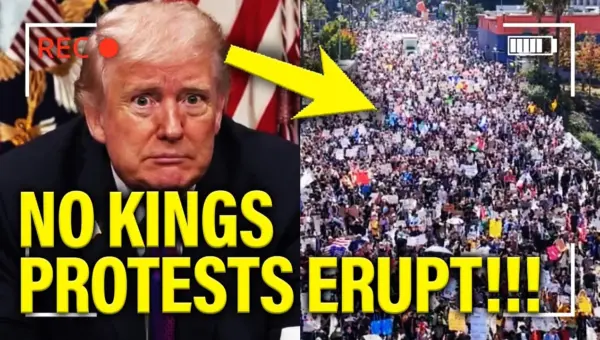
Protests Challenge Trump’s Grip as ‘No Kings’ Movement Grows
Massive 'No Kings' protests swept the nation, challenging the Trump administration and advocating for democratic values. Organizers highlighted growing support and a shift in protest tactics, positioning the movement as a force for positive change.