China’s Digital Heart Attacked: Supercomputer Breach Exposes Secrets
A hacker group claims to have breached China's Tenzin National Supercomputing Center, potentially exposing 10 petabytes of sensitive military and scientific data. The incident raises serious questions about China's cybersecurity and the integrity of its technological advancements.

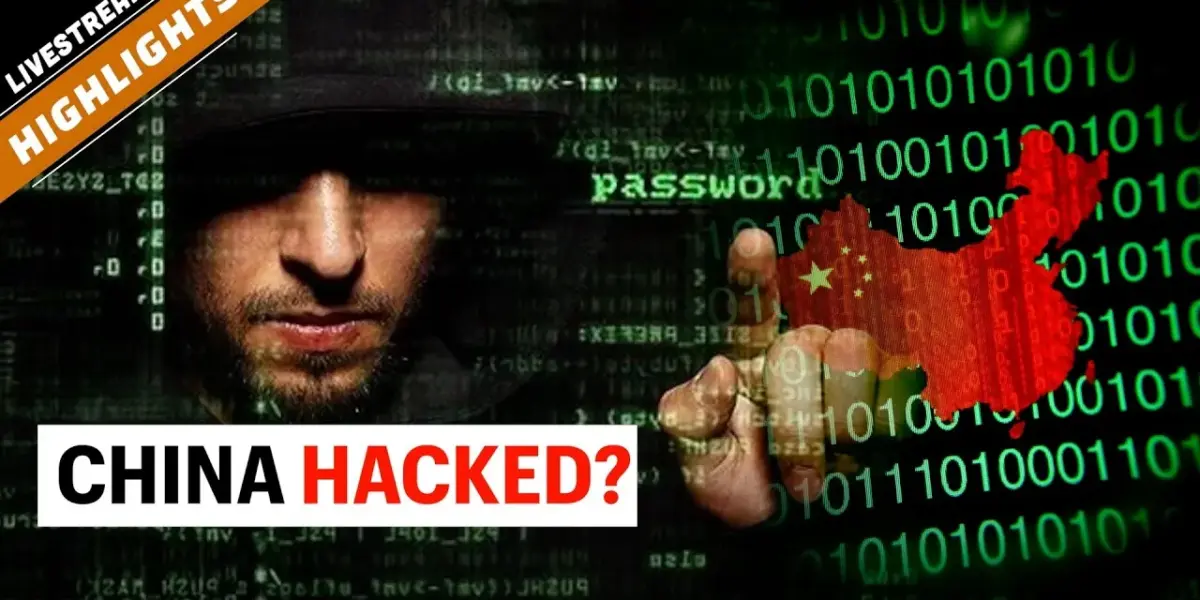
China’s Digital Heart Attacked: Supercomputer Breach Exposes Secrets
A massive security incident may have rocked China’s technological core. A hacker group, calling themselves Flaming China, claimed in early February to have breached the Tenzin National Supercomputing Center. They say they stole over 10 petabytes of critical scientific data and put it up for sale. This news exploded online, but many found it hard to believe at first. The claim was just too shocking.
A Critical Target
The Tenzin National Supercomputing Center isn’t just any data center. It’s one of China’s biggest and most important computing hubs. It connects more than 30 provinces and cities. It serves over 1,600 important institutions. These include military industries, state-owned companies, and secret research labs. More importantly, it houses Tianhe-1, a supercomputer that was once among the world’s fastest. This center is basically the digital brain of China’s science and industry. Its data security is directly linked to China’s top technologies and even the government’s own security. If this place was breached, it raises a chilling question: If even this digital fortress can fall, is anywhere in China truly safe?
The Scale and Scope of the Leak
The sheer size of the alleged data theft is staggering. The hackers claim they got 10 petabytes of data. That’s about 10,000 terabytes. This isn’t personal information or everyday data. It’s the core results of China’s most advanced military research. The stolen data reportedly includes:
- Aerospace engineering details for military jets, covering things like structural strength, aerodynamics, and material limits. This touches directly on hypersonic weapons research.
- Military data from institutions like the National University of Defense Technology and Northwestern Polytechnical University, which are key to China’s defense.
- Information on fifth and sixth-generation fighter jets, nuclear submarine designs, and weapon penetration models.
- Materials related to nuclear fusion simulations, biological research, and even simulations of nuclear explosion physics.
- Some documents have 10-year confidentiality periods, including recent reports and contract numbers.
- Surprisingly, details on online propaganda systems and how information campaigns are run outside China were also found.
In short, the leak seems to cover everything from technological warfare to information warfare.
Is the Breach Real?
The potential consequences are huge. This leak could erase years of work by thousands of researchers. It could give countries like the US, Japan, and Taiwan direct access to China’s core technical information. Opponents wouldn’t have to guess anymore; they could see everything. So, is this claim real? Cybersecurity experts have looked at sample files. They checked file details and contract numbers. Their conclusion is that the samples don’t seem to be fake. An independent monitoring site also logged this breach in March. Yet, the most interesting part is the complete silence from China’s government. There has been no denial, no explanation, and no response. This silence often speaks louder than words, suggesting that something did go wrong.
How Did It Happen?
If the system was indeed breached, how could it happen? Transferring 10 petabytes of data should trigger immediate alarms. Small leaks can be hidden, but not a flood. Facilities like this have strict monitoring systems. If massive data was leaving for days or weeks, it would be very hard to hide. So, what went wrong in one of China’s highest-level digital fortresses?
Analysis of leaked screenshots suggests the system was weaker than expected. Some parallel computing nodes shared the same passwords. In some cases, the system was running old Windows versions, like Windows 7. This is surprising for a national supercomputing center. Even more concerning, there seemed to be little to no internal network separation. This means if one part was hacked, others could be accessed too. It’s hard to believe such a system wouldn’t have strict isolation. Instead, everything appeared connected, with no barriers.
This points to a possible bigger problem in China’s industry. Corruption could be a factor. If money meant for security was used elsewhere, vulnerabilities might have been built in from the start.
Inside Job?
There’s another possibility. Moving 10,000 terabytes of data overseas bit by bit would take at least six months. Some experts believe such a large transfer from the outside would be nearly impossible. This raises the idea that the breach might not have been external. It could have involved someone from inside the system. Some believe a technical person or team within the supercomputing center copied hard drives and worked with hackers. The hackers might not have broken in themselves; someone inside gave them the data.
Why would someone take such a risk? Inside China, there’s a growing lack of faith in the system. The defense industry, like the military, has seen major political purges. Leaders are removed, experts die unexpectedly, and staff are investigated. This creates widespread panic. At the same time, intelligence agencies might be actively recruiting insiders. This makes it possible that hackers teamed up with someone inside to get the data.
Why This Matters
This breach, if confirmed, has enormous implications for China. First, the Tenzin system is central to China’s goal of technological self-reliance and its military-civil fusion strategy. It holds algorithms, models, test results, and design blueprints. Even intermediate results can be used to reverse-engineer systems. This means foreign intelligence agencies could reconstruct China’s technology.
Second, China’s progress in aerospace and nuclear technology now faces a major risk. If data is exposed, others can develop countermeasures much faster. Any advantages China has could quickly disappear if its systems are understood by rivals.
Third, China’s 14th Five-Year Plan aims to use supercomputing to overcome Western chip restrictions. If this breach is confirmed, it undermines China’s claims of having secure digital infrastructure. This could affect its global partnerships, especially under the Belt and Road Initiative. If cooperation means exposure, partners might hesitate to use Chinese systems.
Future Outlook
This situation echoes past incidents where Chinese systems failed under real-world conditions, but this time it’s China’s digital backbone itself that’s exposed. The problem isn’t just that China’s systems failed. It’s that the foundation of these systems may not have been as solid as the government claimed. When a system starts to doubt its own data, purges its own experts, and has its secrets leaked, it’s more than just a setback. It could be the start of something much larger.
The real question now is how much of that system is still truly standing, and how much of it was never as strong as it seemed.
Source: Inside the Breach of China’s Most Secure Supercomputer (YouTube)

Related Articles


US Must Block China’s Tech Access for Security
US national security experts are raising alarms about China's access to advanced AI chips, arguing it threatens strategic advantages. This, coupled with charges against Chinese entities for fentanyl precursor sales and a ban on foreign routers, signals a growing effort to prioritize security over business ties.
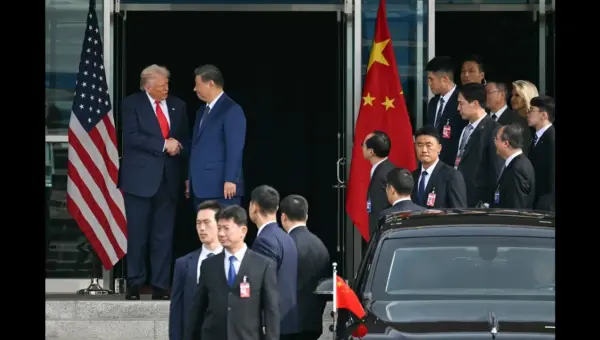
Trump’s “Walk Away” Tactic Signals Tougher Stance on China
Retired Air Force Brigadier General David Stillwell believes President Trump's strategy of being willing to walk away from negotiations puts pressure on China. This tactic, combined with US global actions and strengthened alliances, signals a more assertive American foreign policy.

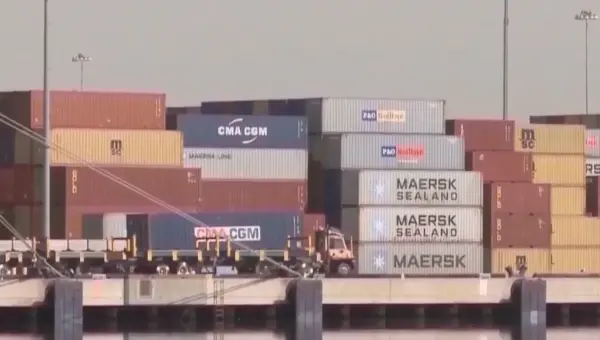
China Fights Back: Tariffs Loom Ahead of Trump Visit
China is retaliating against US trade investigations that could lead to higher tariffs. This escalating trade tension occurs just before a planned visit by President Trump. The dispute involves accusations of unfair practices and impacts global supply chains.