NTSB Recovers Crucial Data From LaGuardia Crash Site
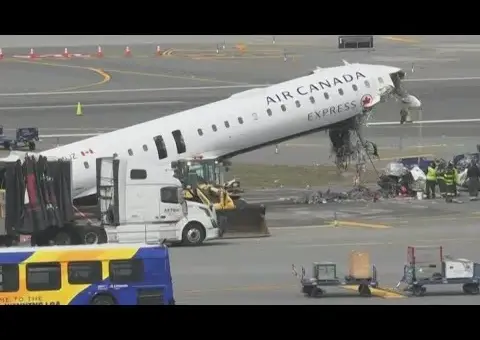
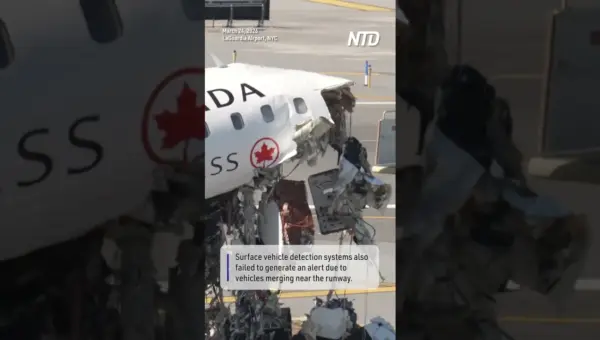
The NTSB has recovered crucial flight data recorders from a recent collision at LaGuardia Airport involving an Air Canada Express flight and a firefighting vehicle. While investigators face challenges reaching the scene and sorting through extensive debris, they are meticulously gathering evidence to determine the cause of the crash.

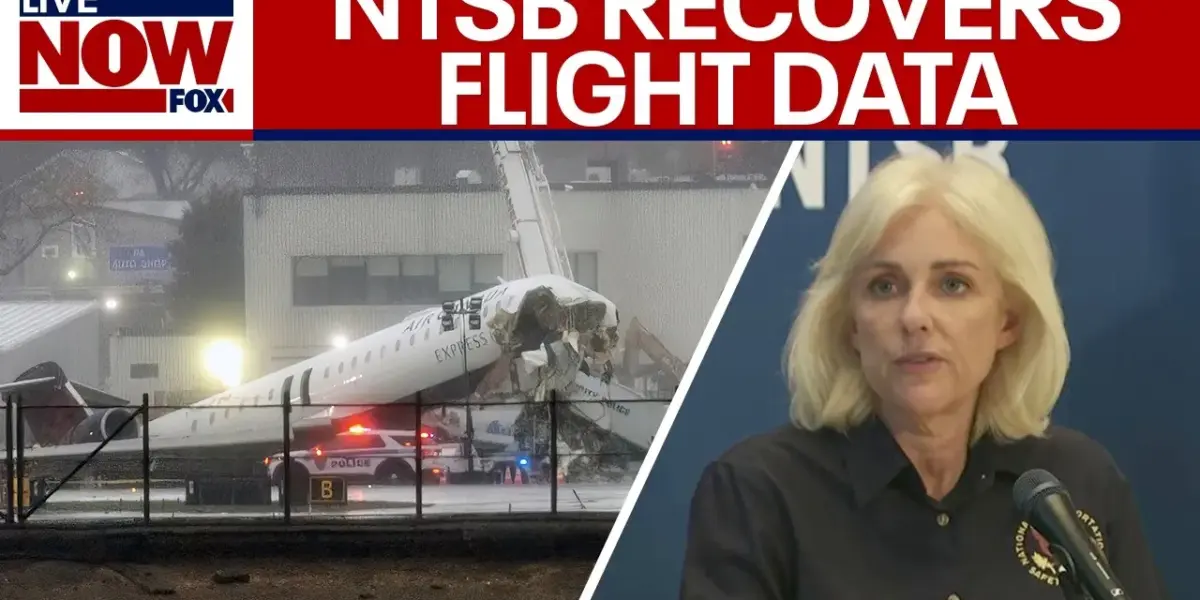
NTSB Investigates LaGuardia Aircraft Collision
The National Transportation Safety Board (NTSB) is leading the investigation into a serious collision at New York’s LaGuardia Airport. An Air Canada Express flight, a Bombardier CRJ900, collided with an aircraft rescue and firefighting vehicle while landing around 11:37 p.m. Eastern Daylight Time. The flight, Air Canada Express 8646, was carrying 72 passengers and four crew members. Two firefighters were in the firefighting vehicle at the time of the incident.
NTSB Chairwoman Jennifer Hamundi addressed the media, expressing deep condolences to those affected by the “terrible tragedy.” She was accompanied by new board member John Doo and Investigator in Charge Doug Brazy, a veteran aviation accident investigator with 34 years at the NTSB. The NTSB, an independent federal agency, is responsible for investigating all civil aviation accidents in the U.S.
Challenges in Responding to the Crash Site
Getting the full investigative team to the scene presented significant hurdles. Many specialists were still en route as of the press conference, facing travel delays and logistical challenges. Some investigators faced long waits, like one air traffic control specialist who was delayed in TSA lines for three hours. This made a full day of investigation difficult, with the team still arriving even as the conference was taking place.
The airport itself experienced disruptions, with LaGuardia shut down and a ground stop at Newark. The extensive debris field across taxiways and runways also required careful management. A site commander conducted a safety walk-through to ensure investigators’ safety, noting the presence of hazardous materials on the firefighting vehicle and the significant amount of wreckage.
Key Evidence Recovered and Under Review
A critical step in the investigation was the recovery of the aircraft’s flight data recorder (FDR) and cockpit voice recorder (CVR). The tail of the aircraft was on the ground, and responders cut a hole in the roof to access the recorders. An NTSB investigator transported the recorders to the NTSB labs in Washington D.C.
The NTSB confirmed that the CVR was not damaged and began work on the FDR the following day. The agency hopes to share initial findings from the FDR in a press conference soon. Additionally, the NTSB is collecting surveillance video and has requested Airport Surface Detection Equipment (ASDE) replay from the FAA. This technology can show the aircraft’s and vehicle’s positions, helping investigators understand the sequence of events and whether alerts were generated.
Investigative Groups Formed
The NTSB has established several investigative groups to examine different aspects of the crash:
- Operations Group: Will examine the aircraft operator, procedures, and training.
- Systems Group: Will inspect the aircraft’s hydraulic, electrical, navigational, and flight control systems.
- Structures Group: Will document wreckage and the accident scene, including impact angles.
- Air Traffic Control Group: Will focus on communications and staffing.
- CVR/FDR Group: Will analyze the recovered recorders.
- Airport Operations and Survival Factors Group: Will look at airport rescue and firefighting operations and occupant injuries.
Focus on Air Traffic Control and Vehicle Information
A significant area of interest for investigators is air traffic control (ATC) staffing and communications. Questions remain about the number of controllers on duty, their positions, and whether a single controller was handling multiple roles. The NTSB is also seeking information about the firefighting vehicle, including its capabilities, weight, and contents, as well as the crew involved.
The NTSB emphasized its commitment to dealing only with verified facts. Chairwoman Hamundi stated, “We don’t speculate. We don’t take one person at their word. We verify that information carefully before we provide it.” This meticulous approach means that preliminary information, such as controller backgrounds or shift details, will not be released until it has been thoroughly corroborated through records, interviews, and official documentation.
Next Steps and Future Outlook
The investigation is expected to take considerable time due to the extensive debris and the need to meticulously document and collect evidence. The NTSB will work with the Transport Safety Board of Canada, as the aircraft operator is Canadian. The agency plans to provide further updates as verified information becomes available, with a hope to share more details from the FDR analysis tomorrow. The focus remains on piecing together the events leading up to the collision to prevent future accidents.
Source: NTSB recovers crucial flight data from LaGuardia crash site, provides update (YouTube)

Related Articles
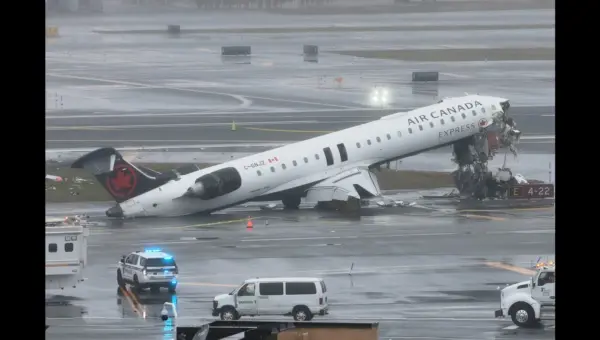
LaGuardia Runway Reopens After Deadly Crash, Safety Lapses Exposed
LaGuardia Airport's main runway has reopened after a fatal crash involving an Air Canada Express jet and a fire truck. The incident, which killed two pilots, exposed critical failures in airport safety systems, including ground surveillance and transponder use.
Air Safety Fears Soar After Deadly Crash
A fatal crash at LaGuardia Airport has triggered a national review of air safety, revealing a pattern of close calls and communication issues at U.S. airports. Investigators are examining technology and staffing, as calls grow for urgent safety upgrades.
Missing Transponder Fueled LaGuardia Near-Disaster
A fire truck lacking a crucial transponder was involved in a near-collision at LaGuardia Airport. The NTSB is investigating this and other issues, highlighting potential gaps in ground vehicle safety protocols. This incident serves as a stark reminder of the importance of technology in preventing airport accidents.