Trump’s Iran Standoff: Talks Claimed Amid Oil Price Surge
President Trump claims the U.S. is in high-level talks with Iran, a statement Tehran denies, creating a credibility gap amid escalating tensions. The crisis has led to a significant surge in oil and gas prices, impacting the global economy and raising concerns about a potential recession.

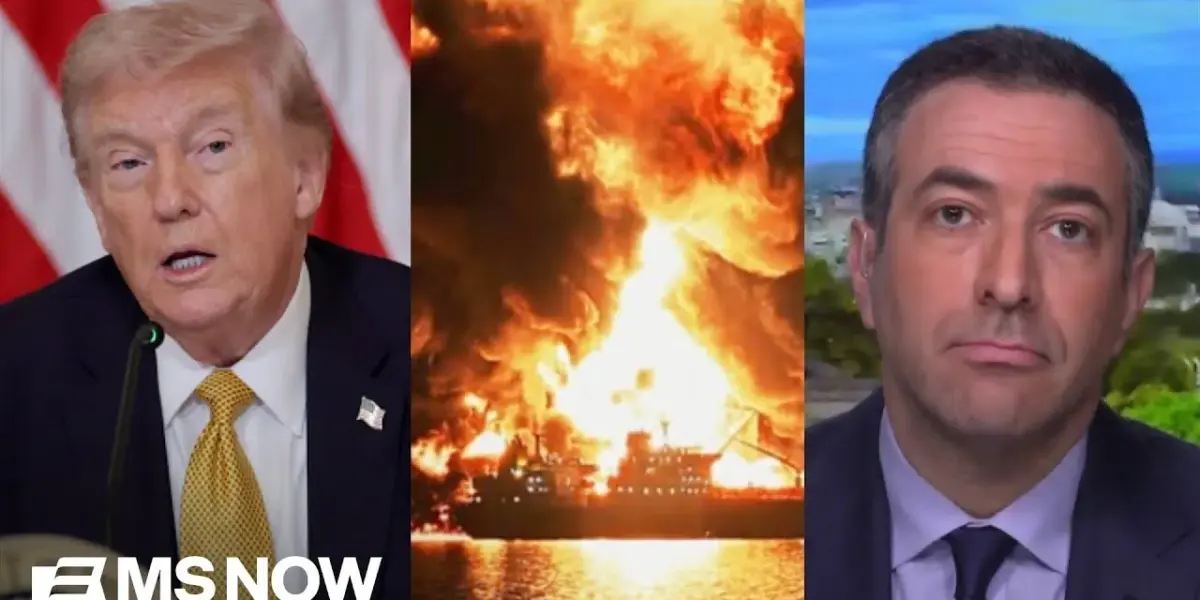
Trump Claims Iran Talks Amid Escalating Tensions
President Donald Trump has claimed that the United States is engaged in high-level talks with Iran, a statement met with skepticism and outright denial from Tehran. This assertion comes as the U.S. military prepares to send thousands of troops to the region and global oil prices surge. The conflicting narratives highlight a significant credibility gap surrounding the White House’s handling of the growing crisis.
Conflicting Accounts on Negotiations
While President Trump has stated that negotiations are underway, he has not identified who the U.S. is talking to, only confirming it is not Iran’s Supreme Leader. Iran’s Foreign Ministry has firmly stated there is no dialogue between the two nations. This disagreement over whether talks are happening adds to the confusion and mistrust.
“There’s no doubt President Trump says a lot of things. He goes from one side to the other, from we’re winning. We need allies. We don’t need allies. We are talking. We don’t want to talk. Now we’re talking.”
General Wesley Clark, a retired four-star Army general and former Supreme Allied Commander of NATO, commented on the situation. He noted that while strategic ambiguity can be part of wartime communication, President Trump’s administration has eroded its own credibility on many issues. The New York Times has described lying about war as uniquely damaging, suggesting it makes it harder to win conflicts and erodes trust with allies.
Economic Impact of the Crisis
The confrontation in the Strait of Hormuz has had immediate and significant economic consequences. The strait, a vital chokepoint for global oil transport, remains closed. This has led to a sharp increase in oil prices, with crude oil rising approximately 39% and U.S. gas prices following suit with a 38% jump. These rising fuel costs directly impact American consumers at the pump and raise concerns about a potential recession.
The economic fallout extends beyond fuel. Fertilizer prices have also climbed by 25%. Experts on Wall Street are questioning whether the ongoing conflict could trigger a broader economic downturn. The ripple effect of these price increases is being felt across the entire economy.
Military Posturing and Strategic Concerns
In response to the escalating tensions, a contingent of over 4,000 U.S. sailors and marines are en route to the region. An Israeli official has suggested these forces are not being deployed merely for show, indicating a serious military objective. The presence of these troops raises questions about the potential for further escalation.
General Clark outlined three critical objectives for the United States in this complex situation. Firstly, the continuation of the air campaign. Secondly, finding a path to end the war through some form of settlement. Thirdly, and perhaps most crucially, reopening the Strait of Hormuz. He stressed that reopening the strait will require a significant troop presence, far beyond two marine landing teams, to manage the potential for urban conflict in densely populated areas near the Persian Gulf.
The Dilemma of the Strait of Hormuz
The closure of the Strait of Hormuz presents a major strategic challenge. Allowing Iran to control this vital waterway, through which an estimated 20% of the world’s fuel passes, would be a significant loss for the U.S. and its allies. General Clark suggested a potential immediate action: closing the Strait by preventing any Iranian ships from leaving.
The current approach of trying to manage multiple issues at once, including relaxing sanctions on Russia to slightly lower gas prices, is seen as a flawed strategy. The political implications of high gas prices for President Trump are acknowledged, but the need to prioritize strategic goals is paramount. Providing Russia with billions of dollars while its conflict in Ukraine continues is also seen as counterproductive.
Looking Ahead
The coming days will be critical in determining the trajectory of the U.S.-Iran standoff. Key developments to watch include any further communication, or lack thereof, between the two nations, the actions taken by the U.S. military in the region, and the continued impact on global oil prices and the broader economy. The administration’s ability to regain credibility and articulate a clear endgame will be essential in navigating this volatile situation.
Source: Chaos: ‘Warmonger’ Trump faces crisis as U.S., Iran clash on ‘talks’ & oil prices surge (YouTube)

Related Articles

Stocks Ignore War Risks, Focus on “Taco Moments”
Stock markets appear to be overlooking the severe supply chain risks stemming from the Iran conflict, focusing instead on potential diplomatic de-escalations. While the S&P 500 shows resilience, bond and commodity markets signal deep concern over disruptions to critical resources like LNG, helium, and fertilizers.

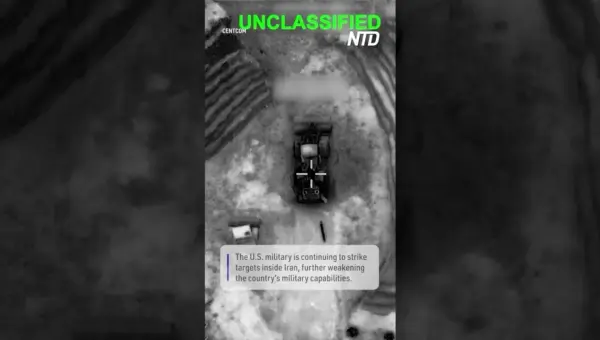
US Strikes Cripple Iran’s Military Might, CENTCOM Reports
U.S. Central Command reports ongoing strikes inside Iran are significantly weakening its military power. This direct action aims to reshape regional security dynamics, but carries risks of escalation. The long-term impact depends on Iran's response and ability to adapt.

U.S. Iran Tensions Rise Amid Shifting Alliances
Rising tensions between the U.S. and Iran are creating a volatile geopolitical situation. With conflicting signals on de-escalation and potential shifts in alliances like NATO and U.S.-Israel relations, the path forward remains uncertain. The global economy and regional stability hang in the balance.