Florida Fouls Late, Gets Burned in Stunning Loss
Florida's late-game fouling strategy backfired spectacularly against Iowa, leading to a stunning loss in regulation. Coach Todd Golden's gamble aimed to force Iowa's role players to win at the free-throw line, but a defensive breakdown sealed their fate.

Florida Fouls Late, Gets Burned in Stunning Loss
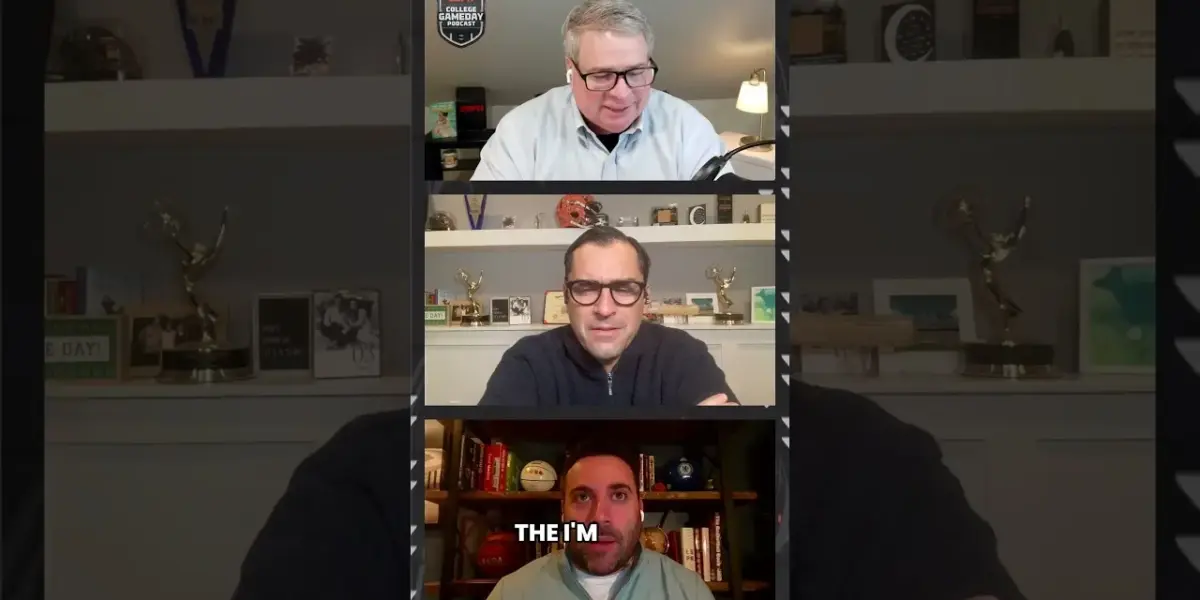
In a move that backfired spectacularly, the Florida Gators gambled on a late-game fouling strategy against Iowa, only to see their hopes dashed in regulation. The decision, made by head coach Todd Golden, aimed to force Iowa’s role players to win the game from the free-throw line. Instead, it led to a stunning defeat and left fans questioning the late-game tactics.
Golden’s Gamble Backfires
After the game, Golden admitted the plan was to foul when up by two points, hoping a lesser-known Iowa player would miss crucial free throws that could have tied the game. The idea was that even if they made both, Florida would likely head to overtime, where they felt they had the advantage. This strategy, however, crumbled when a screen in the backcourt led to a breakdown in Florida’s defense. Iowa’s Bennett Sest got the ball on the run, and the rest, as they say, is history.
“The plan was to foul up two and see if and see if uh you know one of Iowa’s role players would be able to hit two huge free throws to tie the game,” Golden stated after the game.
The Math Didn’t Add Up
The underlying logic behind fouling up two points assumes a certain probability of the opponent missing at least one free throw. With a player who isn’t a consistent scorer at the line, the odds of them hitting both shots to tie the game are often less than ideal. “My guess is the math would you know there’s only a you know 68 70% chance he hits both free throws, probably even less than that and then worst case you’re going to overtime,” one commentator noted, highlighting the perceived low risk. The worst-case scenario, in this view, was simply playing another five minutes. However, the actual worst case proved to be a regulation loss.
A Costly Breakdown
The defensive miscue on the screen left Iowa with a clear path to the basket. Instead of a controlled foul situation where a specific player is sent to the line, the breakdown allowed for a live-ball play that resulted in a score, or at least a situation that sealed the loss. This is a far cry from the intended scenario where a missed free throw would have brought Florida closer to victory or forced an extra period. The transition from a planned foul to a defensive lapse proved fatal for the Gators’ chances.
Overtime vs. Regulation Loss
The commentators pointed out that if the foul had been executed cleanly and quickly, Florida could have tied the game with about eight seconds left. This would have sent the game into overtime, a situation where Florida likely felt confident. “You tie it with like eight seconds if you foul quick,” was the observation. They also referenced a similar situation with St. John’s, where a late-game strategy, perhaps not even intentional, led to either a win or overtime. For Florida, the gamble didn’t pay off, and they ended up losing in regulation, a far worse outcome than the overtime they seemed prepared for.
Looking Ahead
This loss will sting for the Florida Gators. It highlights a critical need to refine late-game defensive execution and decision-making. While the intention behind the foul strategy was sound in theory, the poor execution and defensive breakdown turned a calculated risk into a significant defeat. Moving forward, Coach Golden and his team will need to ensure their strategies are not only mathematically sound but also practically executable under pressure. The sting of this loss will likely serve as a powerful lesson as they continue their season.
Source: Florida bet on a late-game foul strategy and got BURNED (YouTube)

Related Articles

Iowa’s “Fiery Underdog” Reaches Elite 8
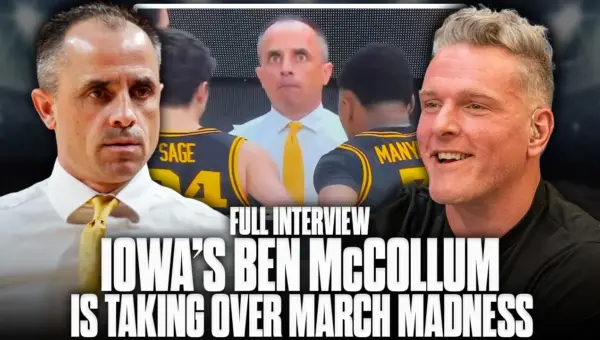
Iowa's Ben McCollum, a former D2 champion, has led the Hawkeyes to their first Elite Eight since 1987. Known for his intense coaching style and ability to build resilient teams, McCollum emphasizes relationships and brutal honesty. The team's unexpected success has ignited fan excitement across the state.

Iowa’s “Gritty” Coach McCollum Leads Hawkeyes to Elite 8
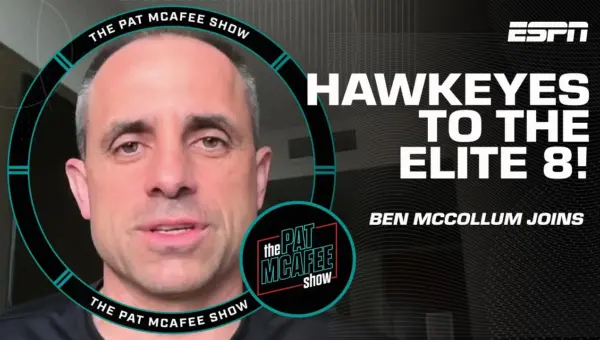
Iowa Hawkeyes head coach Ben McCollum is bringing his signature "hard-nosed" coaching style to the Elite Eight. He discussed his intense approach, the team's emotional journey, and his philosophy on building a gritty, successful program.

Iowa Stuns Nebraska in March Madness Thriller!
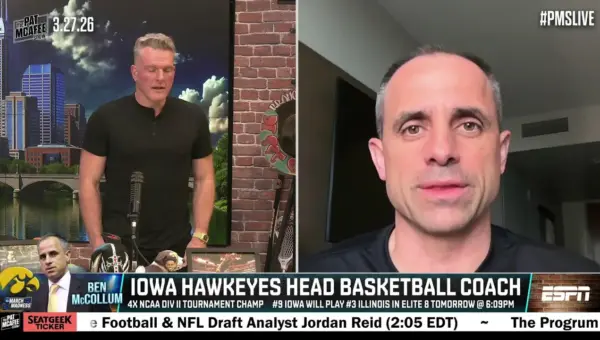
The Iowa Hawkeyes are heading to the Elite Eight for the first time since 1987 after a thrilling win over Nebraska. Coach Ben McCollum's intense sideline presence and the team's historic performance have fans celebrating.