Trump’s Iran Policy Shifts: Critics See No Clear Strategy
President Trump's administration has faced criticism for its shifting stance on Iran, including a sudden pause on planned military strikes. Critics argue this demonstrates a lack of consistent strategy amidst ongoing tensions.

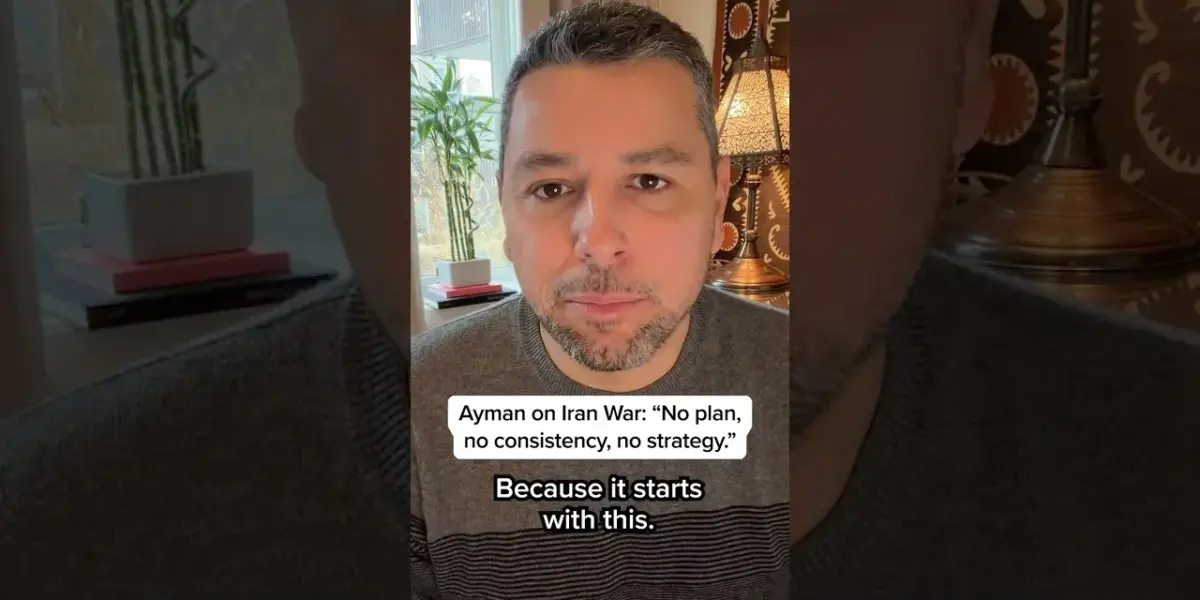
US Policy on Iran Faces Scrutiny Amid Shifting Stances
President Donald Trump’s approach to Iran has drawn sharp criticism, with observers pointing to a lack of clear strategy and consistency. The latest developments involve a dramatic reversal on potential military action, highlighting what critics describe as a chaotic foreign policy decision-making process.
Sudden U-Turn on Military Strikes
The situation escalated when President Trump initially issued a stark warning to Iran. He gave the country a 48-hour deadline to reopen the Strait of Hormuz. Failure to comply, he stated, would result in U.S. strikes targeting major Iranian energy and electricity infrastructure. This ultimatum set a tense stage, suggesting an imminent military confrontation.
However, just days later, President Trump announced a halt to these planned attacks. He cited “productive” talks as the reason for pausing the strikes for five days. This sudden change in direction left many observers confused and concerned about the administration’s decision-making.
Iran Denies Talks Amidst Confusion
Adding to the confusion, Iran has publicly denied that any talks are currently taking place with the United States. This stark contradiction between the U.S. president’s statement and Iran’s official position raises serious questions about the basis for the U-turn. It suggests that the “productive” talks may not be as substantive as initially presented, or that communication channels are not as open as claimed.
Critics Point to Lack of Strategy
Ayman Mohyeldin, a commentator for MS NOW, voiced strong criticism of the administration’s handling of the situation. He stated that the rapid reversal on military action demonstrates a significant lack of a coherent strategy. Mohyeldin argued that this inconsistency is particularly worrying as the broader conflict, or tensions, with Iran enters its fourth week.
“No plan, no consistency, no strategy,” Mohyeldin remarked, summarizing the perceived approach to the Iran crisis.
This sentiment highlights a broader concern among foreign policy analysts. They worry that such erratic decision-making can lead to miscalculation and unintended escalation. Without a clear, consistent strategy, it becomes difficult for both allies and adversaries to understand U.S. intentions, potentially increasing the risk of conflict.
The Importance of the Strait of Hormuz
The Strait of Hormuz is a critical chokepoint for global oil supplies. Roughly 20% of the world’s oil passes through this narrow waterway every day. Iran has previously threatened to close the strait in response to international pressure or sanctions. Any disruption to shipping in the Strait of Hormuz could have severe economic consequences worldwide, leading to significant spikes in oil prices and impacting global markets.
The U.S. has consistently stated its commitment to keeping the Strait of Hormuz open, viewing any attempt to close it as a threat to international commerce and security. This ongoing tension over the waterway has been a persistent feature of U.S.-Iran relations for decades.
Broader Implications for Regional Stability
The volatile situation surrounding Iran has significant implications for the broader Middle East. The region is already dealing with numerous complex conflicts and political instability. A direct military confrontation between the U.S. and Iran could destabilize the region further, potentially drawing in other countries and exacerbating existing tensions.
Furthermore, the perception of U.S. policy as inconsistent could undermine the confidence of U.S. allies in the region. Allies often rely on clear and predictable U.S. foreign policy to maintain their own security. A lack of strategic clarity can weaken alliances and make diplomatic solutions harder to achieve.
What to Watch Next
Moving forward, attention will remain focused on whether any genuine diplomatic channels open between the U.S. and Iran. The effectiveness of the five-day pause in U.S. strikes will be crucial. Observers will also be watching for any further shifts in rhetoric or actions from both Washington and Tehran. The international community will be looking for signs of de-escalation and a return to more predictable foreign policy engagement.
Source: Ayman on Iran War: 'No plan, no consistency, no strategy' (YouTube)

Related Articles

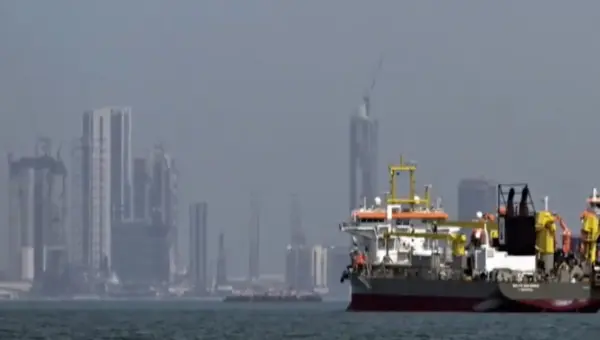
Iran Blocks China Ships, Exposing Beijing’s Weak Grip
Iran's recent decision to block Chinese ships at the Strait of Hormuz is exposing the limits of Beijing's influence in the Middle East. This action is causing delays and cancellations for Chinese manufacturers, turning a perceived geopolitical win into an economic strain.
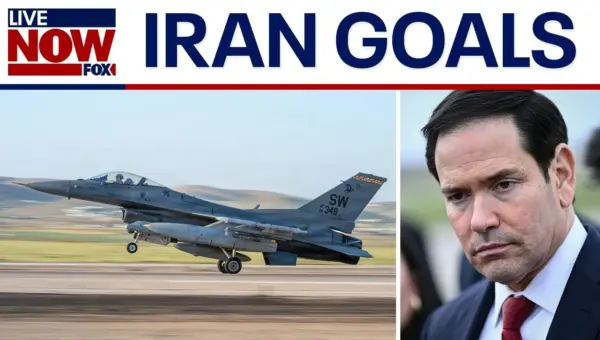
Rubio: US Can Achieve Iran War Goals Without Troops
Senator Marco Rubio outlined a strategy to counter Iran without deploying U.S. ground troops, focusing on weakening the regime and enhancing maritime security. He also criticized Cuba's economic system and expressed concerns about West Bank violence.


Israel Escalates Iran Strikes, Warns of Wider War
Israel has launched significant strikes inside Iran following continued missile fire, warning of further escalation. The conflict risks wider regional instability and economic disruption, especially concerning the Strait of Hormuz.