Trump Pauses Iran Strikes, Boosts Airport Security
President Trump has paused planned strikes on Iran, citing productive talks and potentially easing global tensions. Meanwhile, ICE agents are assisting TSA at airports amid staffing shortages, and the Memphis Safe Task Force shows success in reducing crime. The State Department is also creating a new bureau to combat cyber threats.

Trump Halts Iran Strikes, Cites ‘Productive Talks’ Amid Market Gains
President Trump announced a significant shift in US foreign policy, delaying planned strikes on Iranian energy sites for five days. This decision comes after what the President described as “good and productive negotiations” with the Iranian regime. The announcement sent ripples through global financial markets, with crude oil prices dropping more than 5% and the Dow Jones Industrial Average jumping over 800 points. This move suggests a potential de-escalation of tensions in the Middle East and a renewed focus on diplomatic solutions.
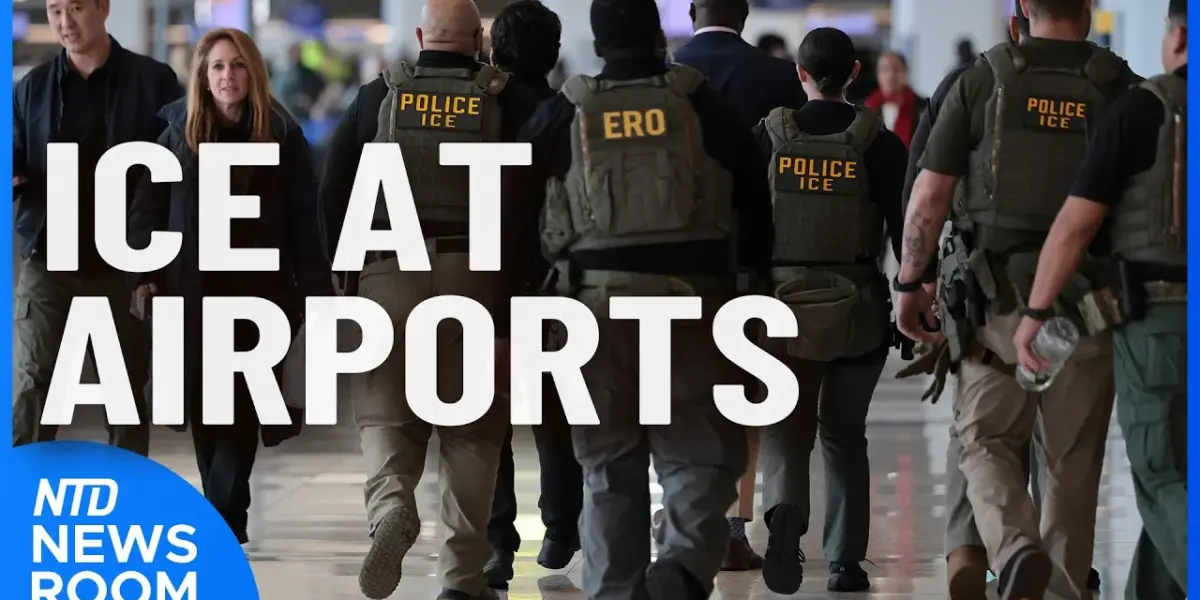
ICE Deploys Agents to Airports Amid TSA Staffing Shortages
In domestic news, U.S. Immigration and Customs Enforcement (ICE) began deploying agents to airports across the country to help address staffing shortages at the Transportation Security Administration (TSA). This measure comes as lawmakers continue to struggle to reach an agreement on funding for the Department of Homeland Security (DHS). The move aims to ensure smoother travel operations during a period of potential strain on airport security personnel.
Memphis Safe Task Force Sees Success in Crime Reduction
President Trump also highlighted the successes of the Memphis Safe Task Force during a visit to Tennessee. This multi-agency initiative, launched in late 2015, has aimed to reduce violent crime in Memphis by increasing law enforcement presence from federal, state, and local agencies. The White House reported over 7,400 arrests, the seizure of more than 100,200 illegal firearms, and the safe return of over 150 missing children since the task force’s inception. Crime in Memphis has reportedly decreased by more than 45% compared to the same period last year.
State Department Creates New Bureau to Combat Cyber Threats
The State Department has launched a new bureau dedicated to countering emerging cyber threats to U.S. national security. This initiative underscores the growing importance of cybersecurity in international relations, especially in light of ongoing geopolitical conflicts. The establishment of this bureau signals a proactive approach to defending against digital attacks and protecting critical national interests in the online realm.
Supreme Court Examines State Voting Laws
The Supreme Court is reviewing a state voting law that counts mail-in ballots received days after Election Day. This legal challenge raises important questions about election integrity and the varying methods states use to manage their voting processes. The court’s decision could have significant implications for future elections and how mail-in ballots are handled across the nation.
LaGuardia Airport Incident: Air Canada Jet Collides with Fire Truck
In a separate incident at LaGuardia Airport in New York City, an Air Canada flight collided with a Port Authority fire truck. The collision led to flight cancellations and delays. While the exact cause is under investigation, this event highlights the potential risks and complexities of airport operations, even during routine activities.
“We are having really good discussions. They started last night… I think they’ve you know I think they’re very good. They want to they want peace. They’ve agreed they will not have a nuclear weapon… But we’ll see. You have to get it done.” – President Trump on talks with Iran.
Analysis: Strategic Pause or Diplomatic Breakthrough?
The decision to pause strikes on Iran is being viewed by some as a strategic move to gain leverage in negotiations. Andrew Harding, a senior associate at the Heritage Foundation, suggested that Iran’s willingness to come to the table stems from the perceived success of U.S. operations, making them more amenable to a negotiated settlement. This approach, characterized by a “stop-and-go” nature, has been observed in President Trump’s past negotiation tactics, such as with tariffs. The pause allows for continued diplomatic engagement while maintaining the option to re-escalate if necessary.
However, there are differing views on Iran’s sincerity. While President Trump claims productive talks, semi-official Iranian news agencies have denied any dialogue. Experts suggest Iran may be denying talks to project strength internally, given the reported depletion of its military capabilities and arsenal. The U.S. approach appears to prioritize preventing Iran from acquiring nuclear weapons and ballistic missile systems, while also aiming to curb its regional influence and support for terrorist proxies.
Why This Matters: Geopolitical Stability and Economic Impact
The developments surrounding Iran have significant implications for global stability and the world economy. The potential for a de-escalation of conflict in the Middle East can lead to greater predictability in oil markets, benefiting consumers and industries worldwide. The successful reduction of violent crime in areas like Memphis also demonstrates the potential impact of focused, multi-agency efforts on community safety. Furthermore, the establishment of new bureaus to combat cyber threats reflects the evolving nature of national security in the digital age.
Historical Context and Future Outlook
The current situation with Iran follows years of strained relations, including the U.S. withdrawal from the Iran nuclear deal and subsequent reimposition of sanctions. Previous administrations have also grappled with Iran’s regional activities and its ballistic missile program. President Trump’s “maximum pressure” campaign has aimed to force concessions through economic and military deterrence. The current pause in strikes and emphasis on talks could represent a new phase, though the long-term outcome remains uncertain.
The future outlook depends on the success of ongoing diplomatic efforts. If negotiations lead to a lasting agreement that addresses U.S. security concerns, it could usher in a period of reduced regional tension. Conversely, a breakdown in talks could lead to renewed conflict. Domestically, the deployment of ICE agents to airports and the ongoing DHS funding debate highlight persistent challenges in border security and immigration policy. The Supreme Court’s review of voting laws also points to ongoing debates about electoral processes.
Multinational Efforts and Alliance Dynamics
The formation of a multinational group, including NATO allies, Japan, South Korea, and Australia, to help secure the Strait of Hormuz indicates a coordinated international effort to ensure freedom of navigation. European leaders have welcomed the decision to postpone strikes, signaling a desire for de-escalation. The arrival of the U.S. aircraft carrier USS Gerald R. Ford in Greece also underscores the U.S. military’s presence and commitment to regional security.
The dynamics between allies are complex, with some European nations expressing gratitude for the de-escalation while also emphasizing the need for dialogue. The U.S. is reportedly encouraging allies to increase their contributions to regional security efforts. This collaborative approach, while facing its own challenges, aims to create a united front in addressing threats and promoting stability in a critical global waterway.
Source: ICE Helping Airports' TSA; President Postpones Strikes On Iran Power Plant | NTD Newsroom (March 23) (YouTube)

Related Articles


Iran Targets US With Cyberattacks, Escalating Digital Warfare
Iran is increasingly using cyberattacks to challenge the U.S., as seen in a recent hack of the FBI director's account. Experts say this is a strategic shift due to Iran's limitations in conventional warfare. The U.S. needs to strengthen its digital defenses, focusing on encryption and cloud computing, rather than solely relying on traditional security measures.

Iran Hacks FBI Chief, Exposing U.S. Cyber Vulnerabilities
A recent hack of FBI Director Kash Patel's personal email by an Iran-linked group highlights Iran's growing cyber threat to the U.S. Experts explain how simple security oversights are exploited, emphasizing the need for basic defenses like two-factor authentication to protect against propaganda and potential infrastructure attacks.

TSA Staff Cuts Create Airport Chaos for Travelers
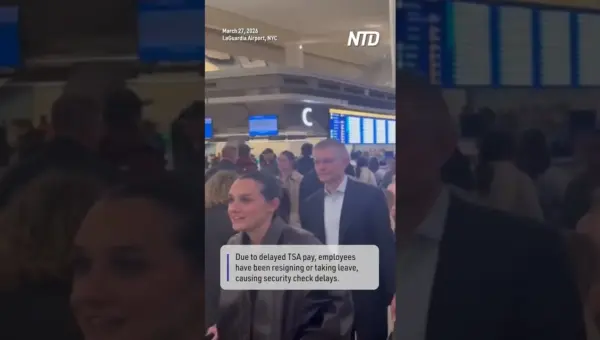
Recent TSA agent shortages, fueled by a government shutdown and delayed pay, have caused significant delays and long security lines at major airports. This situation highlights the critical role of TSA staff and the impact of funding issues on essential services.